
Last updated October 30, 2026
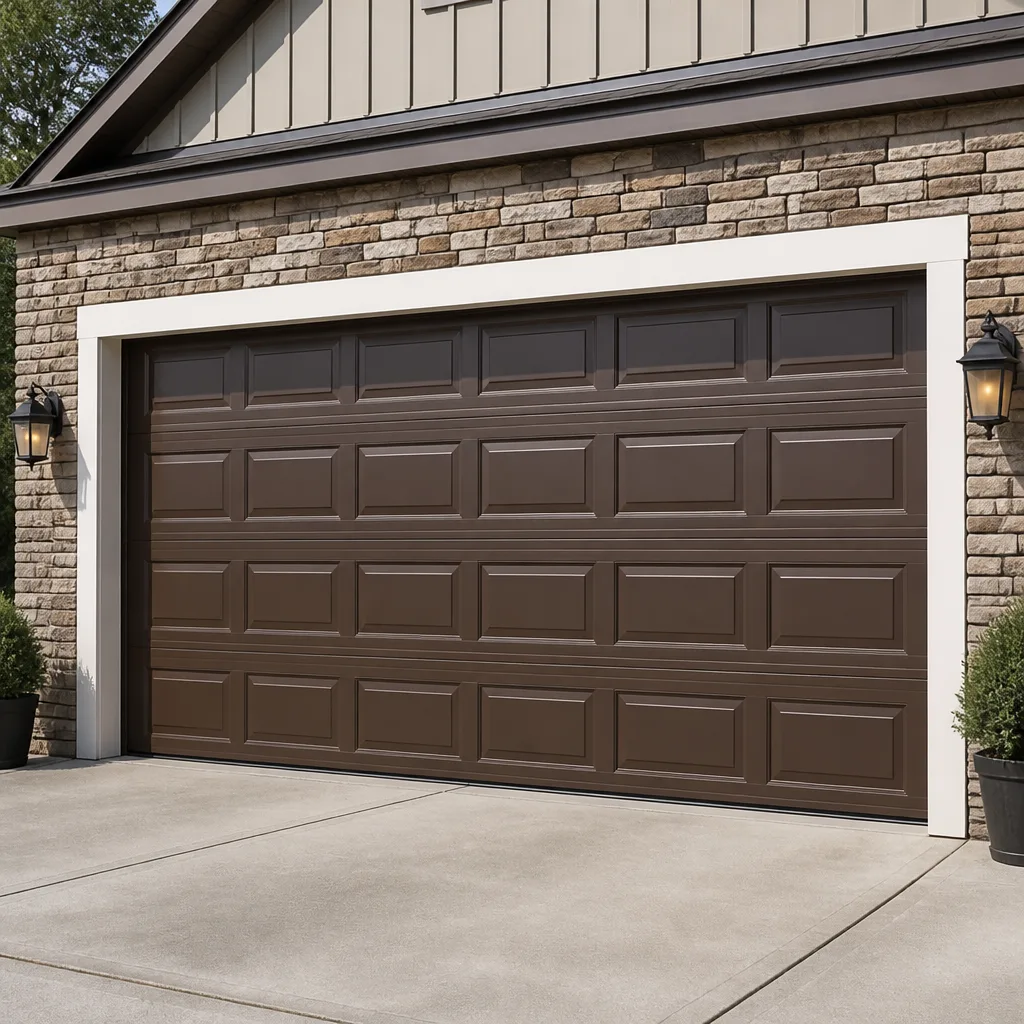 Raised-panel steel
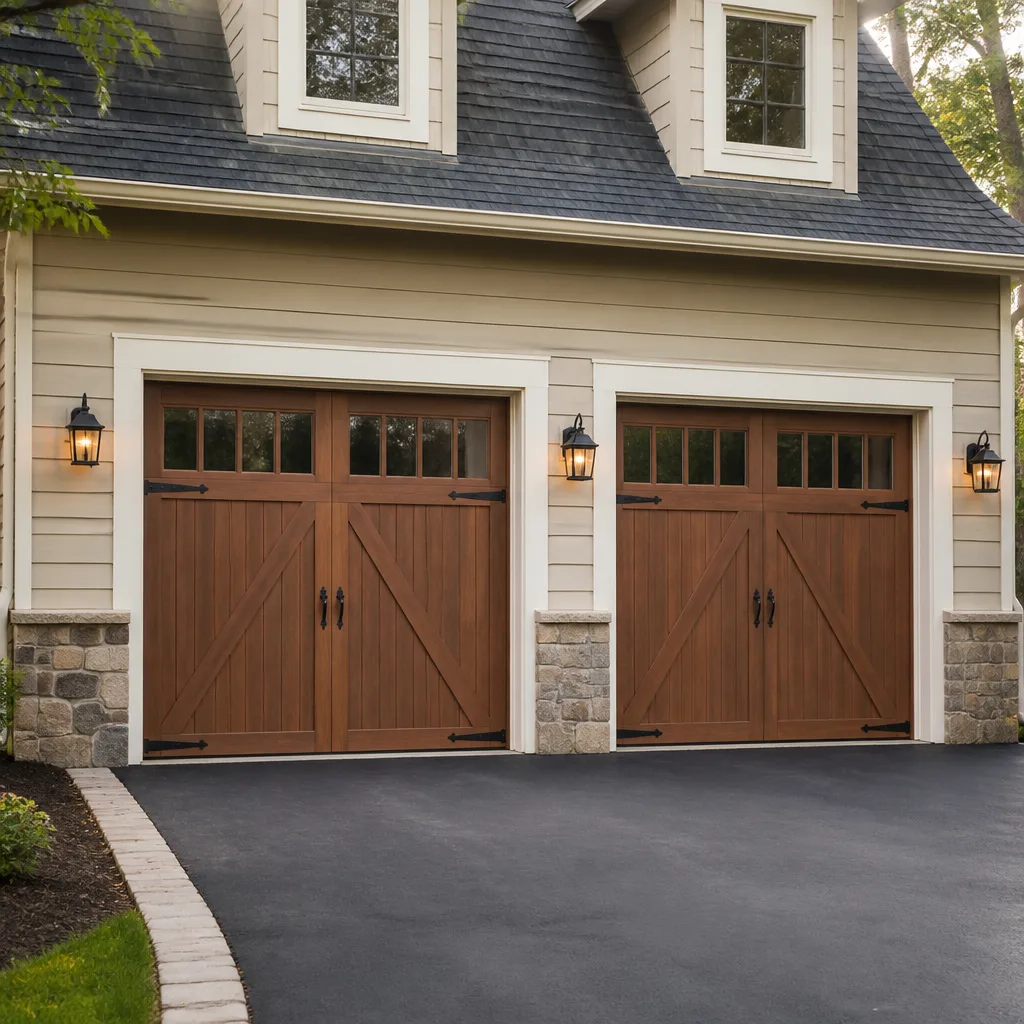 Carriage house
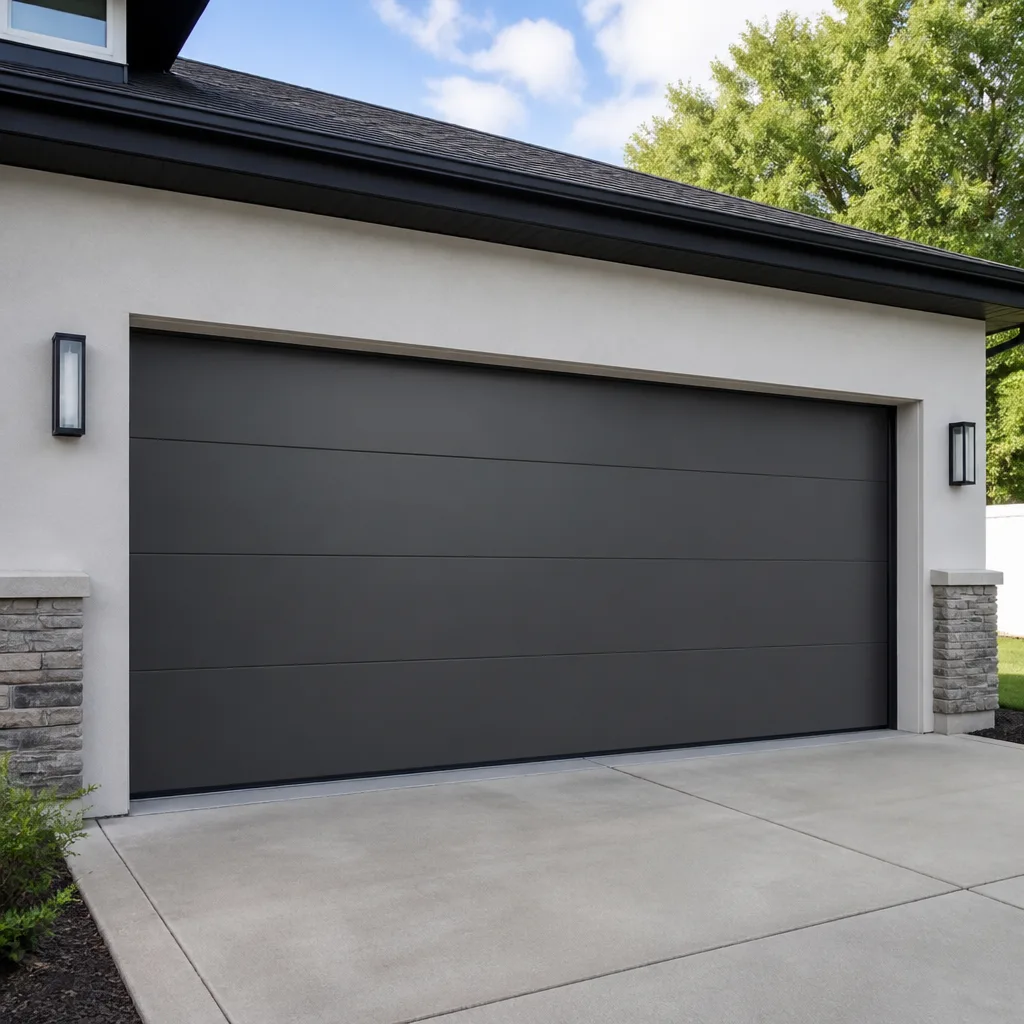 Modern flush
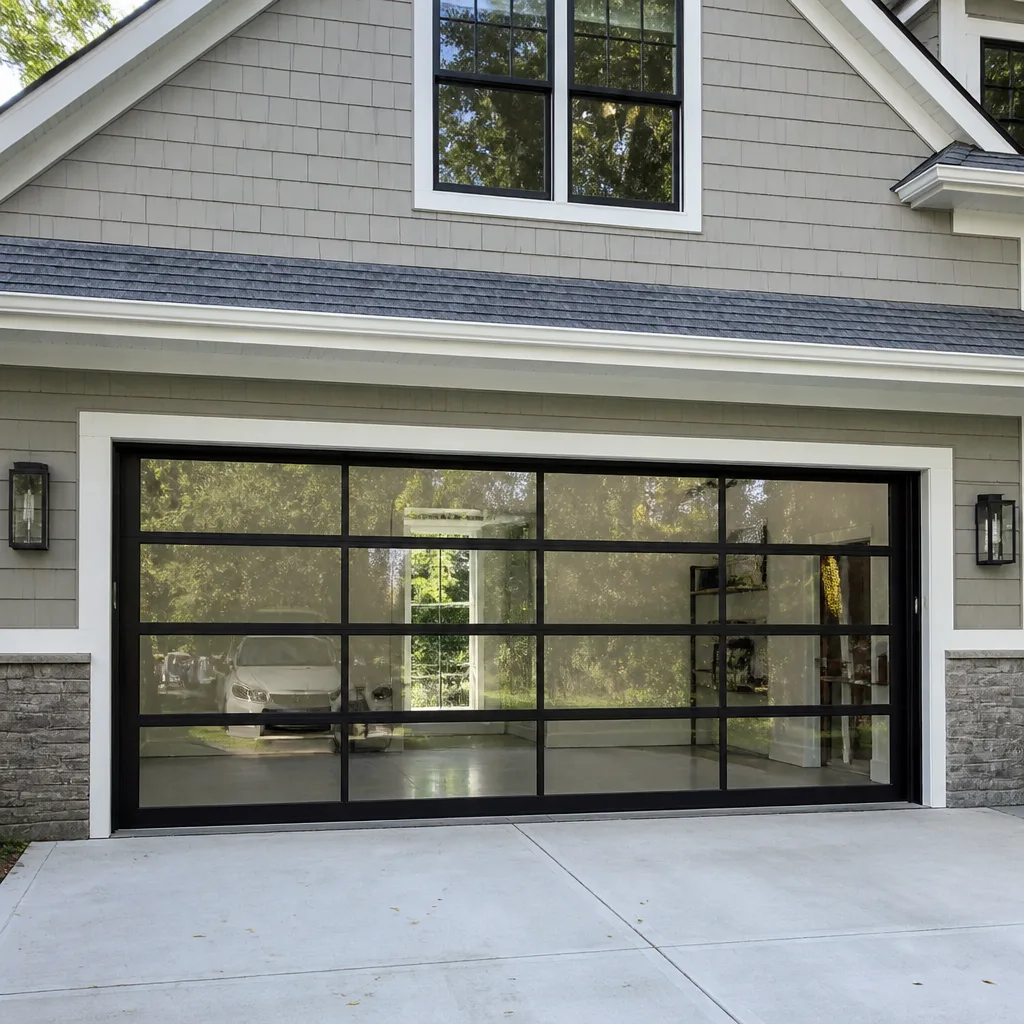 Full-view glass
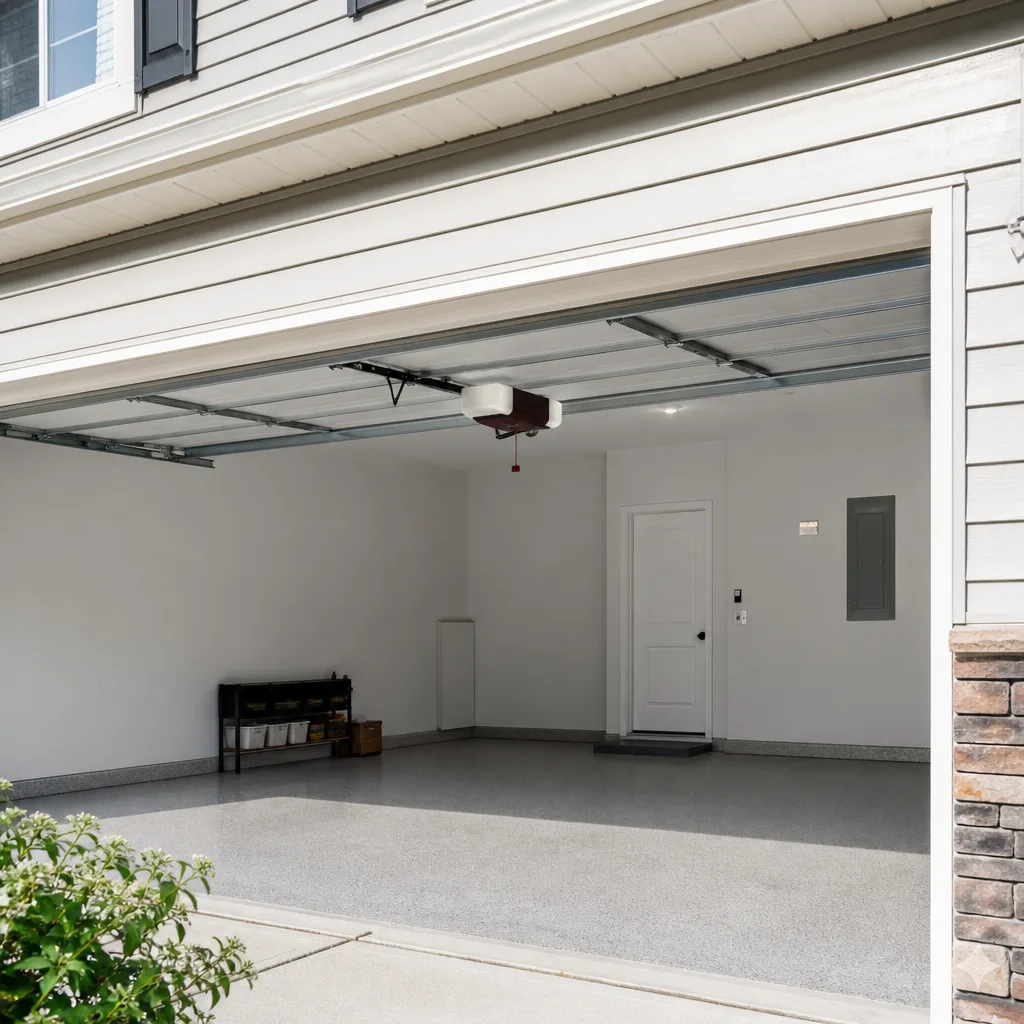 LiftMaster openers
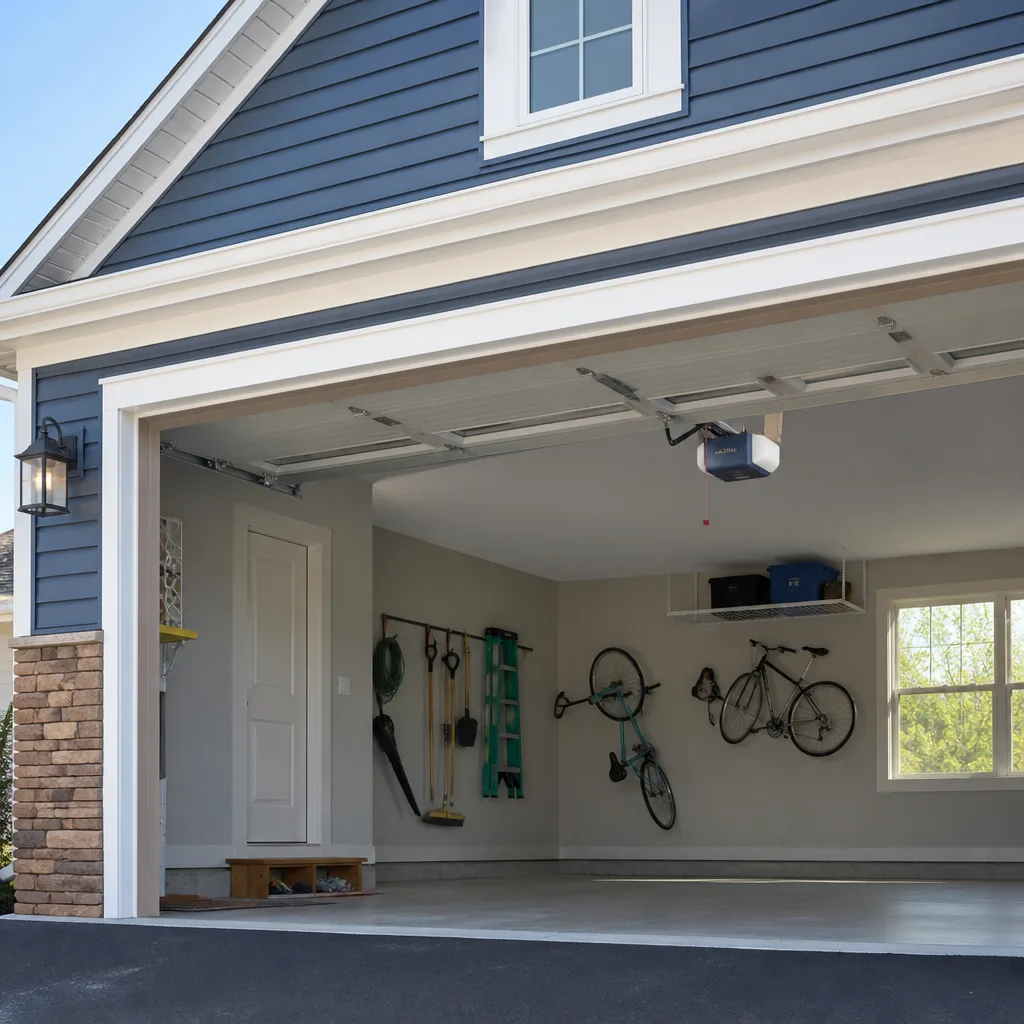 Chamberlain openers
Full 25-point door and opener safety check with every visit - springs, cables, rollers, tracks, and your LiftMaster or Chamberlain opener included
You get a price before we start. It does not change when the truck arrives.
Get your free estimateGarage Door Permits, Codes & Inspections in CA: What You Need to Know
In 2023, a Riverside homeowner listed their house for sale, sailed through the buyer’s home inspection, and then watched the deal nearly collapse in escrow. The culprit? A garage door opener installed four years earlier without California’s required seismic disconnect mechanism. The buyer’s inspector flagged it, the appraiser noted it, and suddenly a $40 part became a $900 opener replacement. California’s garage door code landscape splits between statewide Title 24 energy mandates and locally enforced Riverside municipal code, and most contractors either don’t know the difference or don’t bother telling you. This guide walks through the permits, codes, and inspections that actually apply to garage door work in Riverside, and you can find Garage Door Warning Signs: A Riverside Homeowner’s Reference Guide for more guides & resources if you’re worried about hidden issues.
Styles & brands we work with
Quick Answer
Most garage door repairs in California don’t require a permit, but full door replacements in Riverside typically do, and every opener installation must meet UL 325 safety reverse standards plus Title 24 seismic disconnect requirements. For a deeper look at common issues, see our Garage Door Repair Troubleshooting: Common Problems and How to Fix Them. If your garage is conditioned space, the new door must also hit a U-factor of 0.35 or lower to satisfy California energy code. A Riverside building inspection for door work usually takes 20 to 40 minutes and covers safety features, anchoring, and energy compliance.
Table of Contents
- When Riverside Requires a Permit for Garage Door Work
- What Counts as Permit-Exempt Repair in Riverside
- California’s UL 325 Safety Reverse Requirement
- Title 24 Insulation Rules for Riverside Garage Doors
- Seismic Disconnect Rules for Garage Door Openers
- What a Riverside Building Inspection Actually Covers
- Common Mistakes to Avoid
- When to Call a Professional
- Frequently Asked Questions
- The Bottom Line
When Riverside Requires a Permit for Garage Door Work
The City of Riverside follows the California Building Code (CBC) with local amendments, and the short version is this: replacing an entire garage door, including the tracks and jambs, triggers a building permit. Replacing only the door panels on existing tracks generally doesn’t. The distinction matters because pulling a permit adds a fee, schedules an inspection, and creates a public record the city can check against your property file.
Here’s the breakdown of what Riverside’s building division actually requires:
- Full door replacement (new door, new tracks, new springs): Permit required. The scope includes verifying the door’s wind load rating, fastening to the existing opening, and confirming the counterbalance system meets current code.
- Panel-only replacement on existing track: No permit required in most cases. This counts as a maintenance item, not a structural change.
- Spring replacement (torsion or extension): No permit. But the work must match the door’s listed requirements, and the tensioning must be done by someone who knows what they’re doing. This is one of the most dangerous components in residential construction.
- Opener installation or replacement: No building permit, but the opener must be hardwired or plugged into an outlet with GFCI protection, and it must meet UL 325 and seismic disconnect standards. The city can flag non-compliant openers during any other permitted inspection on the property.
- Adding a garage door where none existed: Full permit required, including structural review of the new header. This is not a handyman job.
In our experience, most Riverside homeowners don’t know whether their project needs a permit until they call the city and get routed through three departments. The permit counter at 3900 Main Street handles building permits, but many contractors skip the process for door replacements because they know the city rarely catches it at the time of install. The problem surfaces later: during a home sale, a refinance appraisal, or a neighbor’s complaint. That’s when the unpermitted work becomes your $1,500 headache.
What Counts as Permit-Exempt Repair in Riverside
California Building Code Section 105.2 exempts certain work from permits, and Riverside follows that list closely. For garage doors, the exempt items are narrower than most homeowners assume. You don’t need a permit to swap out a broken roller, replace a weather seal, lubricate the track, or install a new keypad. But the moment the job touches the door’s structural integration with the home, the exemption disappears.
Here’s a numbered breakdown of permit-exempt garage door repairs in Riverside:
- Roller replacement: Pulling a bent roller and snapping in a new one on existing track counts as maintenance. No permit.
- Weatherstripping and bottom seal replacement: These are consumable materials with no structural role. No permit, ever.
- Hinge and bracket replacement: Swapping a cracked hinge or bracket on the same door, same location, same hole pattern. No permit as long as new brackets match the door manufacturer’s listing.
- Opener remote, keypad, and photocell sensor replacement: Electrical accessories on an existing opener don’t require permits. But if you’re rewiring the opener’s power supply, that’s electrical work under a separate scope.
- Lubrication and track cleaning: Routine maintenance, no permit, no inspection. This is the one we tell Riverside homeowners to do twice a year in our dry, dusty climate, because airborne grit accelerates roller and track wear faster than coastal cities see.
- Garage door opener battery backup replacement: A simple swap on a LiftMaster or Chamberlain unit. No permit, but make sure the replacement battery matches the opener’s UL listing.
The line that trips people: any repair that changes the door’s weight, balance, or anchoring point pushes you into permit territory. If you’re replacing the bottom panel on a Clopay or Amarr door and the new panel weighs more than the old one, technically you’ve changed the door’s balance, and the springs now need recalibration. That recalibration is where a licensed professional earns their pay: a miscalculated torsion spring under tension can release enough force to cause serious injury. We don’t ever advise homeowners to touch high-tension springs themselves.
California’s UL 325 Safety Reverse Requirement
UL 325 is the federal safety standard for garage door operators, and California enforces it through the CBC. The core requirement: every garage door opener manufactured after January 1, 1993, must include an automatic reverse mechanism that stops and reverses the door within two seconds of contacting a solid object, plus an entrapment protection device (photoelectric sensor or edge sensor) mounted no higher than six inches above the floor. If your opener predates 1993 and has no safety reverse, it’s illegal to operate in California, even if it still opens and closes fine.
What this means in Riverside, where we still see plenty of 1980s openers on older homes in the Wood Streets and Canyon Crest neighborhoods:
- Any opener with a single-piece metal door, no sensors, and no reverse mechanism is non-compliant. This isn’t a gray area. The CBC cites UL 325 directly, and an inspector can force removal.
- Sensor misalignment is the most common failure we find. Homeowners will prop a sensor on a bucket or bypass it with a jumper because it keeps sending false obstructions. That defeats the safety system entirely and leaves an entrapment risk for children and pets.
- Force settings matter more than most people think. An opener with the force dialed too high will muscle through a two-by-four instead of reversing. Testing your reverse with a roll of paper towels isn’t enough. You need to test with a solid object that offers real resistance.
- Replacement openers must carry the UL 325 listing mark. Look for the sticker on the motor housing. If it’s missing, the unit is either counterfeit or so old it predates the listing requirement.
The practical takeaway: if your opener is more than 20 years old, it may have been installed before UL 325 became enforceable, and it likely lacks the entrapment sensors now required. Even if it works, a Code Enforcement action or an insurance claim tied to a garage door injury can expose you to liability. We’ve replaced openers in Riverside homes where the owner had no idea their unit was grandfathered, which is not a thing under California law. There’s no grandfather clause for garage door openers.
Title 24 Insulation Rules for Riverside Garage Doors
California’s Title 24 energy code treats garage doors as part of the building envelope when the garage is conditioned space, meaning heated or cooled. Riverside sits in climate zone 10, where summer temperatures routinely hit 105°F. If your garage is attached to the house and shares a wall with living space, the energy code’s requirements for that garage door change dramatically depending on whether the garage is conditioned.
Here’s the straight answer on U-factor minimums:
- Conditioned garage (heated or cooled as living space, common in Riverside ADU conversions): The garage door must have a maximum U-factor of 0.35. This typically means a steel-backed, insulated door with a polyurethane or polystyrene core. An uninsulated single-layer door won’t pass.
- Unconditioned garage (standard storage and parking): No minimum U-factor applies under current Title 24. Many Riverside homeowners install insulated doors anyway because a west-facing garage on a 100+ degree afternoon turns into a convection oven that raises indoor temperatures in adjacent rooms.
- Garage with living space above: The floor assembly above the garage is what Title 24 regulates, not the garage door itself. But if the garage is conditioned because a bedroom sits over it, the door has to meet the 0.35 U-factor.
The brand angle matters here. Amarr and Wayne Dalton both make doors in the 0.32 to 0.35 U-factor range that pass Riverside’s conditioned-garage inspections without upgrades. A Clopay door with an Intellicore polyurethane fill also hits the mark. What we tell Riverside homeowners is simple: if you’re converting your garage to an ADU or adding a home office, don’t buy a cheap uninsulated door at the big-box store and expect it to pass the energy portion of the inspection. Buy the insulated door the first time, because retrofitting insulation into a door that wasn’t built for it costs more than the upgrade.
One more Riverside-specific consideration: the city’s 2022 update to its Building Energy Efficiency Standards enforcement means inspectors now check garage door insulation labels during final inspection on permitted additions and remodels. The label on the inside panel, showing the R-value and U-factor, matters.
Seismic Disconnect Rules for Garage Door Openers
California’s seismic disconnect requirement has been on the books since 1995, yet it remains the most commonly missed garage door code item we see in Riverside. The rule appears in California Building Code Section 3005.5 and applies to every new opener installation. It requires a mechanism that automatically disconnects the opener’s trolley from the door during an earthquake, allowing the door to move independently of the opener track so it doesn’t buckle and jam when the ground shifts.
Here’s how the seismic disconnect works and what to look for on your system:
- Location on the opener trolley: The disconnect is a lever or pull-cord near the front of the opener rail where the trolley connects to the door arm. On LiftMaster and Chamberlain units, it’s a red rope handle. On Genie openers, it’s a release lever.
- What it does: During lateral ground movement, the disconnect releases the trolley from the door carriage, so the door rides on its own track rather than being twisted by the opener rail.
- How to verify compliance: Look for a sticker on the opener motor housing that says “Seismic Disconnect Equipped” or a listing note in the owner’s manual. If your opener was manufactured before 1995, it almost certainly lacks this feature.
- What happens if it’s missing: A failed inspection, a flagged home sale, or an opener that jams during a quake and takes your only vehicle exit with it. Riverside sits less than 30 miles from the San Andreas and San Jacinto fault zones. This isn’t theoretical.
Common story we hear in Riverside: a homeowner buys an opener online, hires a neighborhood handyman to install it, and the handyman never connects the seismic disconnect because they don’t know what it is. The door opener works fine for five years. Then the house goes on the market, the buyer’s inspector flags the missing disconnect, and the seller eats a $700 emergency replacement to close the deal. The fix is a five-minute procedure during installation and a $20 part. Skip it and you’re gambling with your sale.
What a Riverside Building Inspection Actually Covers
When you pull a permit for a garage door replacement in Riverside, the city will assign an inspector to verify the work after installation. The inspection typically happens within one to three business days of the contractor calling in the final, and it takes 20 to 40 minutes. Most people don’t know what the inspector is actually looking for, so here’s the complete list.
The inspector will check:
- Door anchoring: Whether the track and jambs are fastened to the wall with the correct fastener type and spacing for Riverside’s wind zone. The city sits in a moderate wind zone, but the CBC’s minimum fastening requirements apply everywhere.
- Counterbalance system: Springs must be the right size and tension for the door’s weight. The inspector won’t test spring tension with a tool, but they will look for fresh hardware, proper cable routing, and the presence of containment cables on extension springs.
- Safety reversing system: The door must reverse when it hits a 2×4 block laid flat under the center of the opening. The photoelectric sensors must be mounted no more than 6 inches from the floor and must be functional.
- Seismic disconnect: The inspector will pull the release cord to verify it moves freely and disconnects the trolley.
- Energy compliance on conditioned garages: The U-factor label on the door panel must show 0.35 or lower if the garage is conditioned.
- General workmanship: No gaps in weatherstripping, no bent panels, no misaligned track, and a clean, unobstructed opening.
Preparation is straightforward: make sure the area around the door is clear of clutter, test the reverse function before the inspector arrives, and have the door’s spec sheet (or at least the manufacturer name and model number) on hand. We’ve watched inspections fail on technicalities like a missing sensor cap or a release cord tied up with a zip tie. These are 90-second fixes if you know to look.
Common Mistakes to Avoid
Most code and permit problems in Riverside garage door work aren’t caused by intentional corner-cutting. They’re caused by homeowners not knowing what they don’t know, and by contractors who don’t specialize in doors. Here are the mistakes we see repeat.
- Skipping the permit on a full door replacement. It saves $200 today and risks a $1,500 correction later when the unpermitted work shows up in a title search or escrow review.
- Assuming an old opener is grandfathered. California has no grandfather clause for garage door openers. If your unit lacks UL 325 safety reverse or seismic disconnect, it’s non-compliant, no matter when it was installed.
- Buying a door from a big-box store and installing it with a handyman. Big-box doors are often uninsulated, single-layer units built for price, not Riverside’s climate. The handyman may not know Riverside’s permit requirements or seismic rules.
- Adjusting torsion springs without training. Extension and torsion springs under load carry enough stored energy to break bones or kill. If the door is heavy or the springs look rusted, call a professional. This is the single most dangerous DIY task in a residential garage.
- Ignoring the sensor height rule. We’ve seen inspectors fail doors because the photoelectric sensors were mounted at 8 inches instead of 6, and the homeowner never noticed because the opener worked fine.
- Not checking the U-factor on a conditioned garage. If you’re converting your garage and the door has an R-value label but no U-factor rating, it may not pass. The U-factor is what Title 24 regulates, and not all labels list it.
- Letting a general contractor handle the door as a sub-item. Garage doors are all we do at Blue Ribbon Garage Door Repair, and the reason we stay in this single trade is simple: a generalist doesn’t know the quirks of eight different door and opener brands the way a specialist does. The right fix matters more than the convenient fix.
When to Call a Professional
If you’re replacing a spring, rewiring an opener, or installing a brand-new door with all new tracks, call someone who does garage doors every single day, not a handyman squeezing your job between a bathroom remodel and a fence repair. A licensed, specialized garage door contractor will know Riverside’s permit path, will have the right torsion spring on the truck instead of ordering one online, and will install a door that passes inspection the first time. If your opener predates 1995, if your door is wired for a conditioned garage, or if you’re selling your home and the buyer’s inspector flagged anything on the door, get an expert look before the deal spirals. Our Garage Door Repair Maintenance Checklist for Riverside Homeowners covers what to check before listing. Blue Ribbon Garage Door Repair offers free estimates in Riverside, and we’ll tell you straight what’s code-compliant and what isn’t. Call (877) 283-1083.
Frequently Asked Questions
Riverside building permit fees for a garage door replacement typically run between $150 and $400 depending on the project valuation, and the permit must be pulled by the contractor or homeowner before work begins. Call (877) 283-1083 and we’ll walk you through the exact fee schedule for your project size.
Yes, opener installation doesn’t require a building permit in Riverside, but the opener must meet UL 325 safety reverse standards, include a seismic disconnect, and be powered through a GFCI-protected outlet. A non-compliant opener can still fail a separate property inspection later.
No permit is required for spring replacement, whether torsion or extension, because it’s classified as a maintenance repair. But spring work is dangerous, and a mistake can cause a door that falls under load. We always recommend a trained professional for this job.
The seismic disconnect is a California-required release mechanism that detaches the opener trolley from the door during an earthquake, preventing the opener rail from jamming the door in its track. Every opener installed after 1995 must have one, and inspectors in Riverside check for it.
Look on the inside panel of the door for a label showing the U-factor. If your garage is conditioned space in Riverside’s climate zone 10, the door must show a U-factor of 0.35 or lower to comply with Title 24. Uninsulated single-layer doors won’t pass.
Yes, we pull the permit as part of the job and coordinate the city inspection, so you don’t have to navigate the Riverside building division alone. We’re familiar with the local inspectors and what they flag, which means fewer surprises. Call (877) 283-1083 for a free estimate.
The Bottom Line
California’s garage door code rules split between energy mandates and safety mandates, and Riverside enforces both. The fix is knowing which projects need permits and which don’t, verifying your opener has the seismic disconnect and UL 325 reverse, and matching your door’s insulation to whether your garage is conditioned space. Most violations are undiscovered until a sale or an insurance claim exposes them, and by then the fix costs more than the original job. Blue Ribbon Garage Door Repair works exclusively on garage doors across Riverside, and we know the code path better than a generalist because it’s all we do. Call (877) 283-1083 for a free estimate, and we’ll tell you honestly whether your door needs a permit, a repair, or nothing at all. You can also browse more guides & resources on our blog.
Written by the team at Blue Ribbon Garage Door Repair, serving Riverside since 2013. We specialize in garage door repair in Riverside, garage door opener repair in Riverside, and garage door installation in Riverside, and we work on the brand you already have.
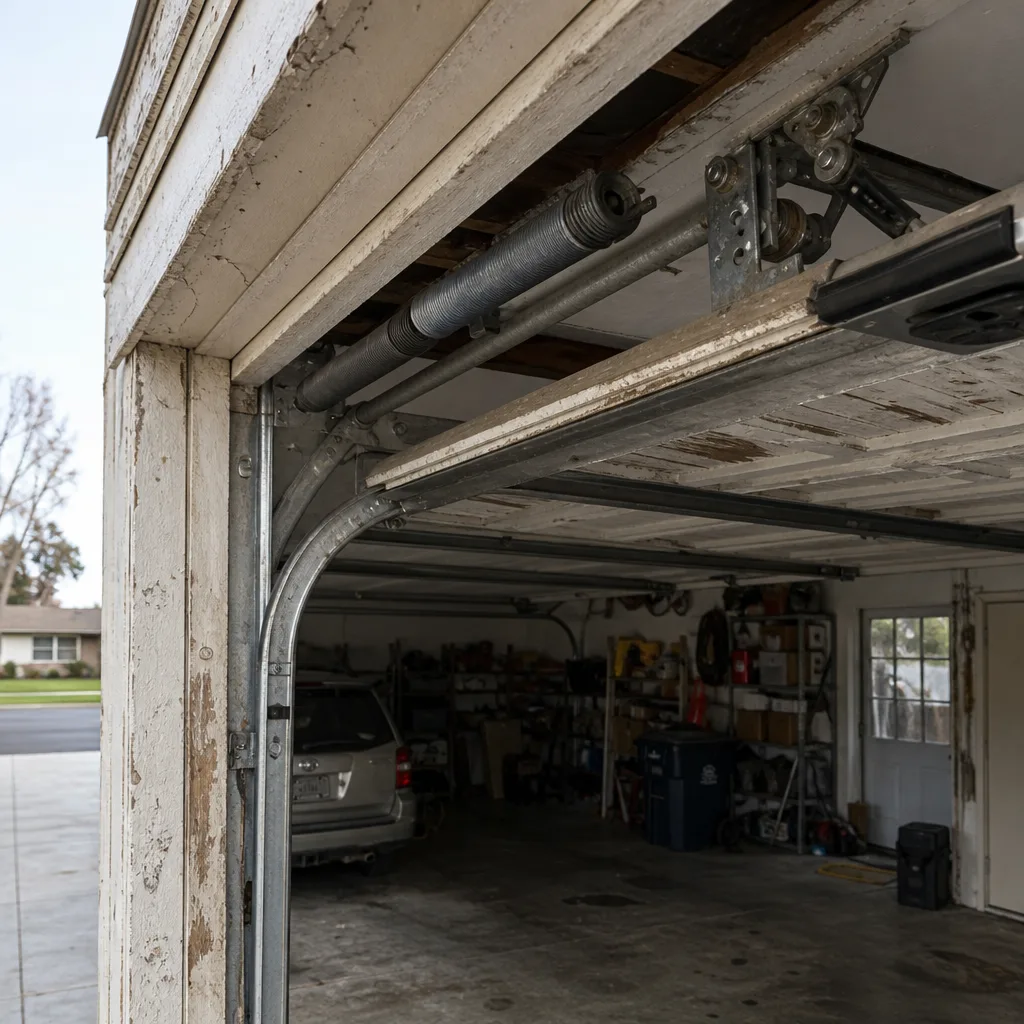
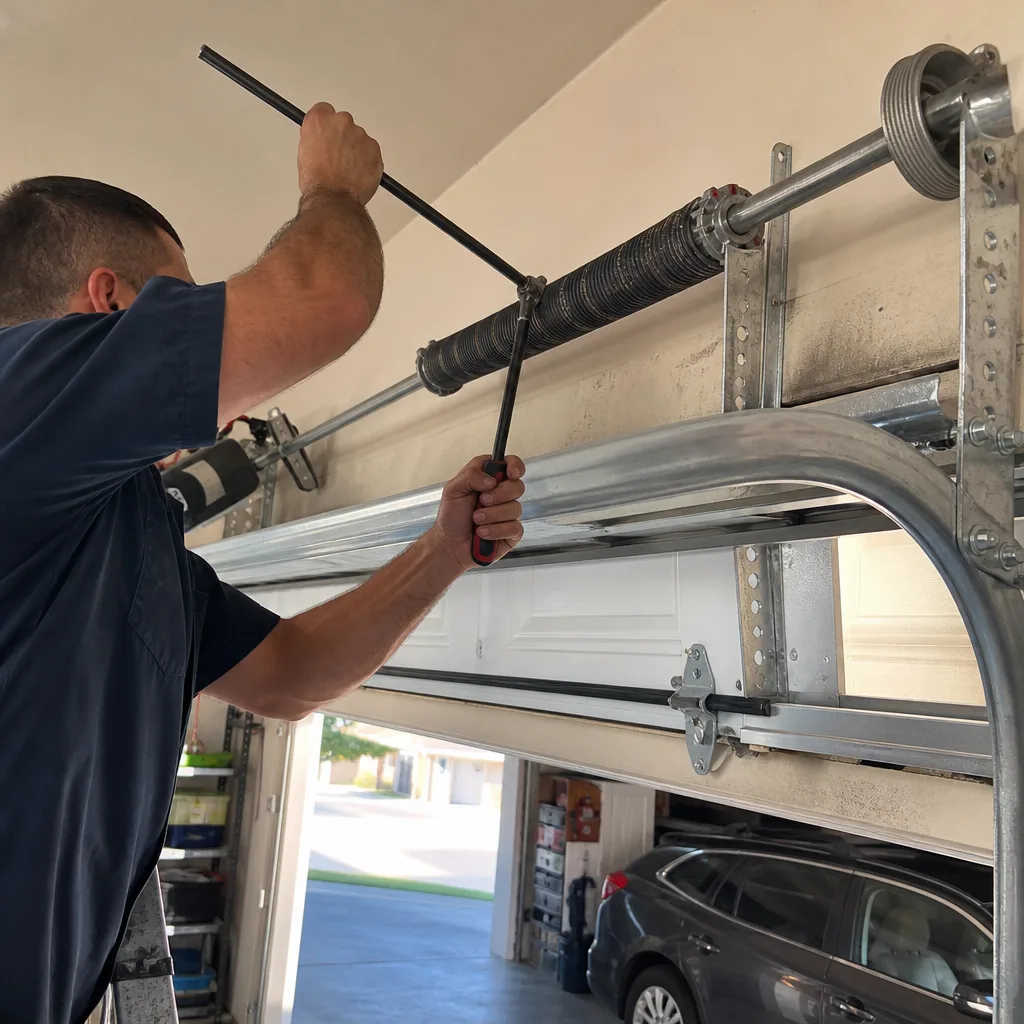
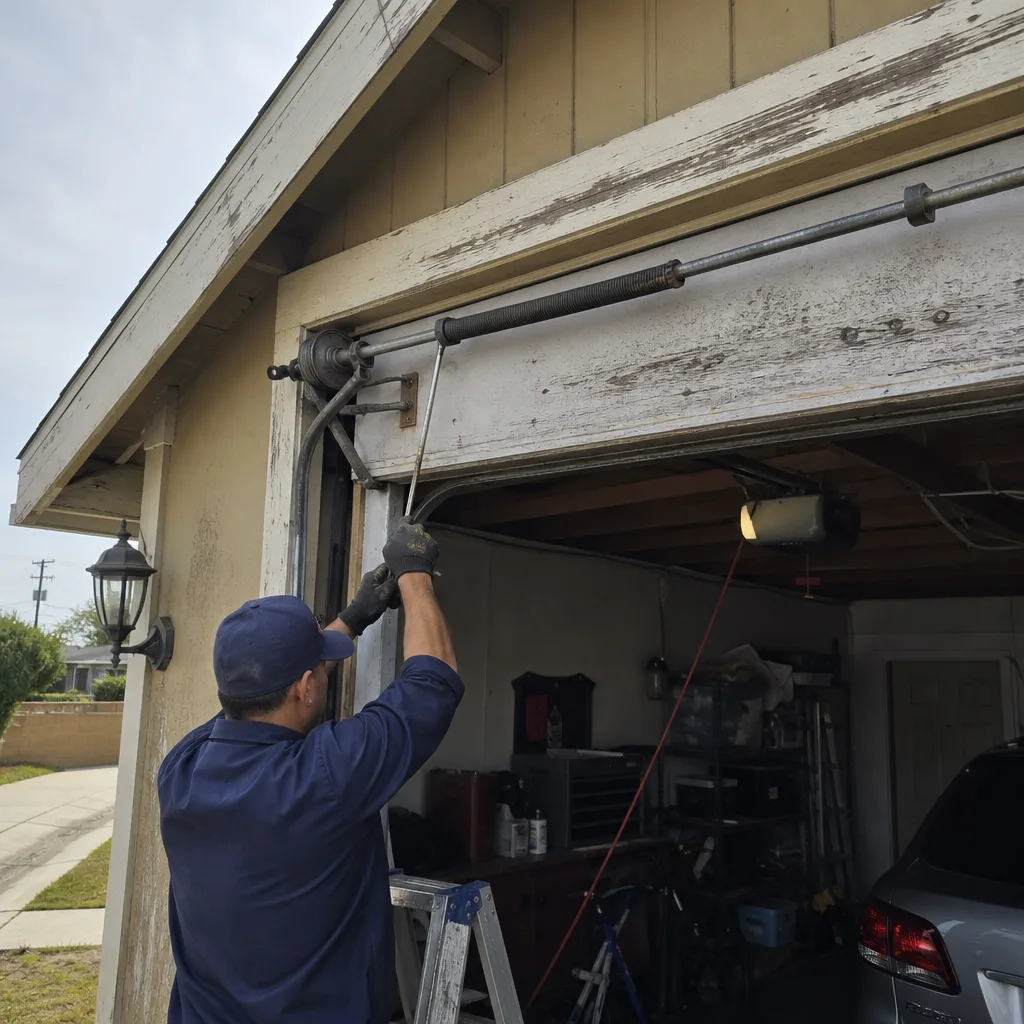
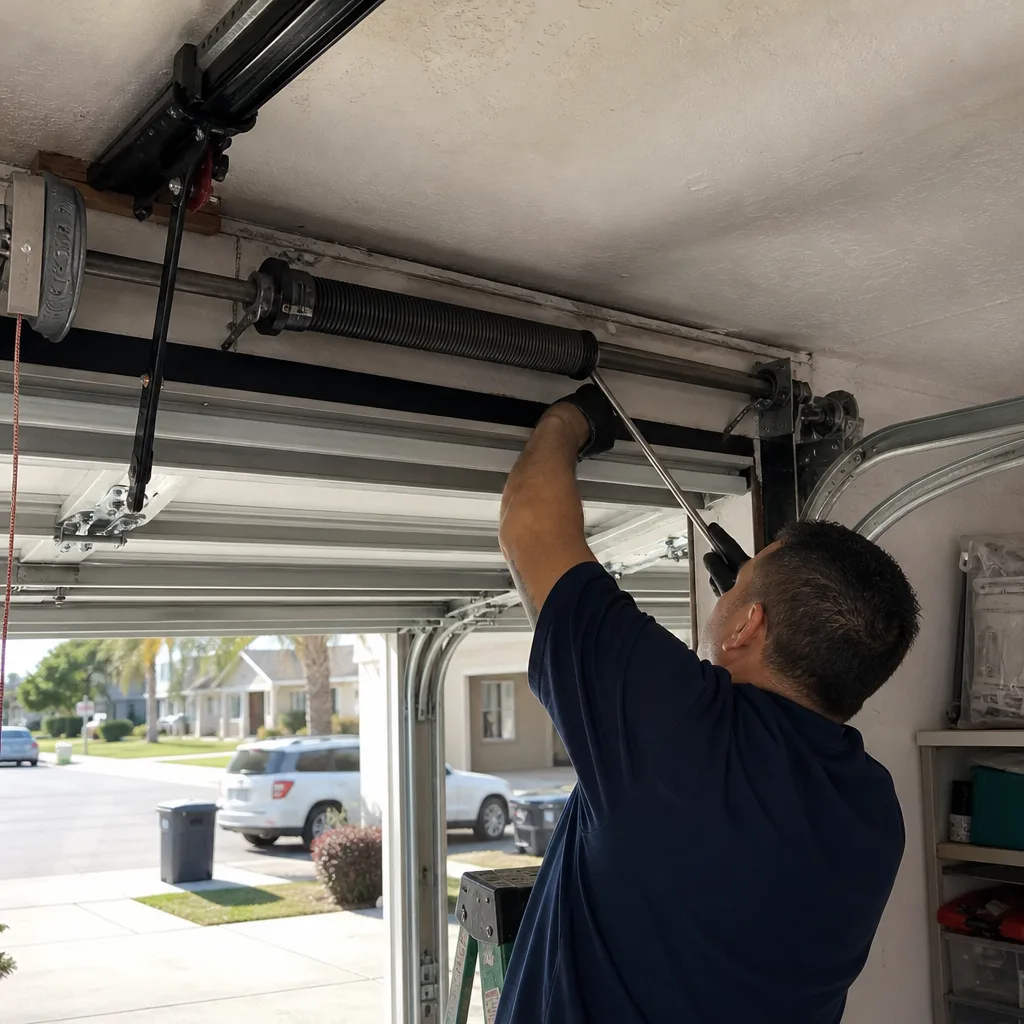
See the difference
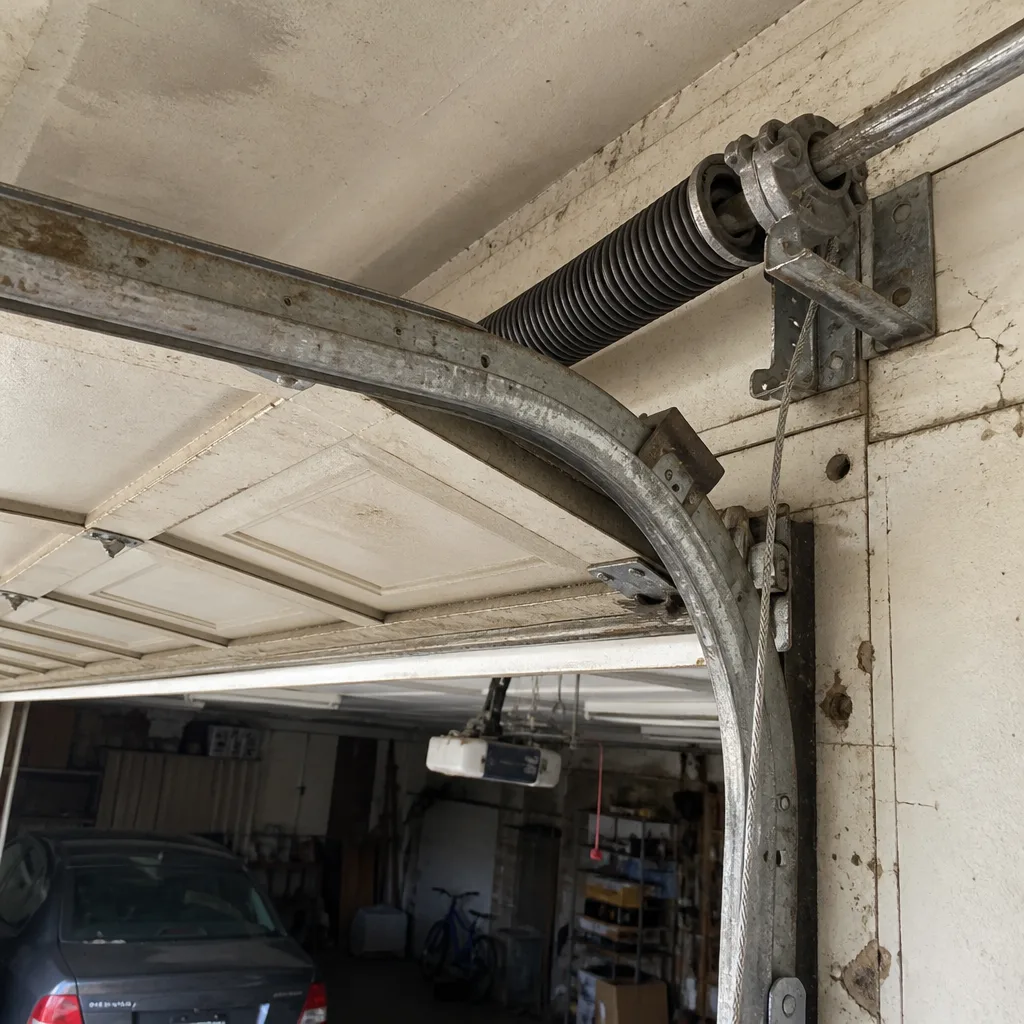 Before
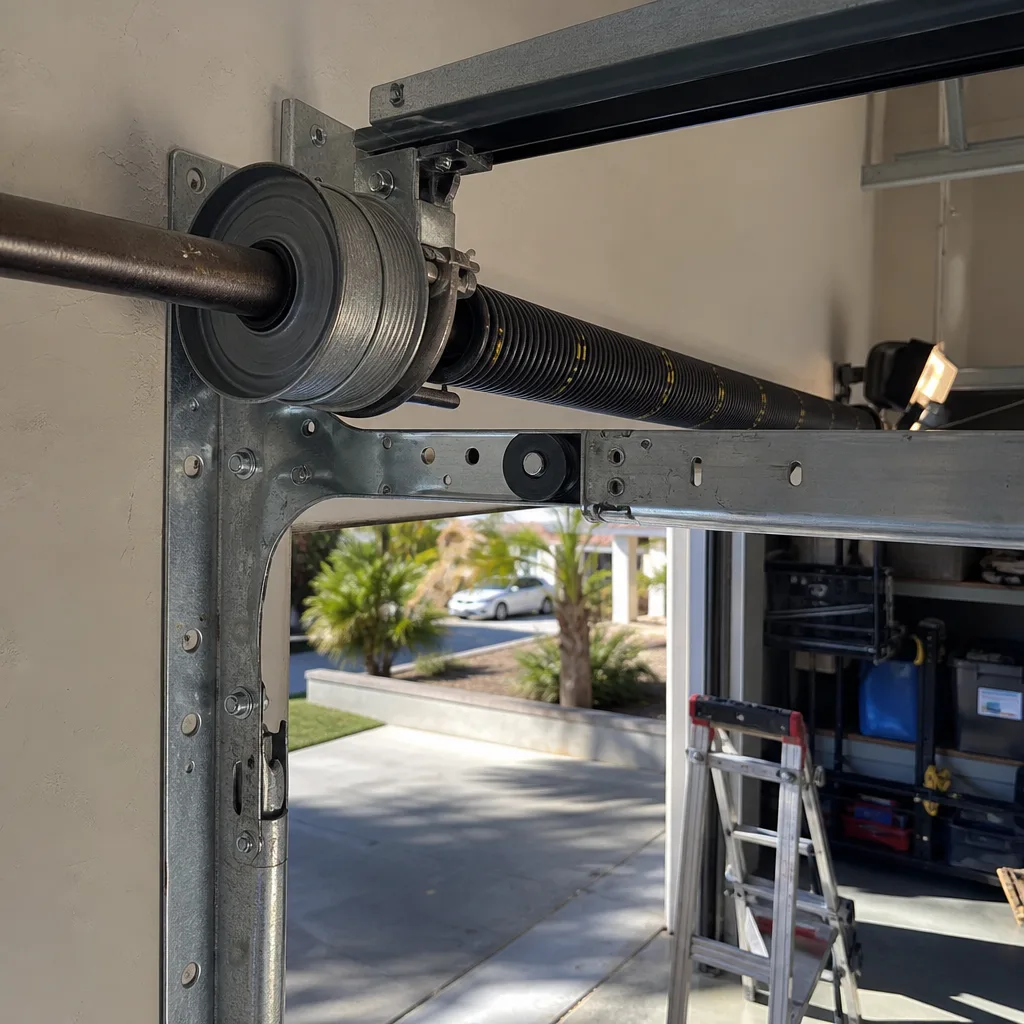 After
 Before
 After
 Before
 After