
Last updated October 30, 2026
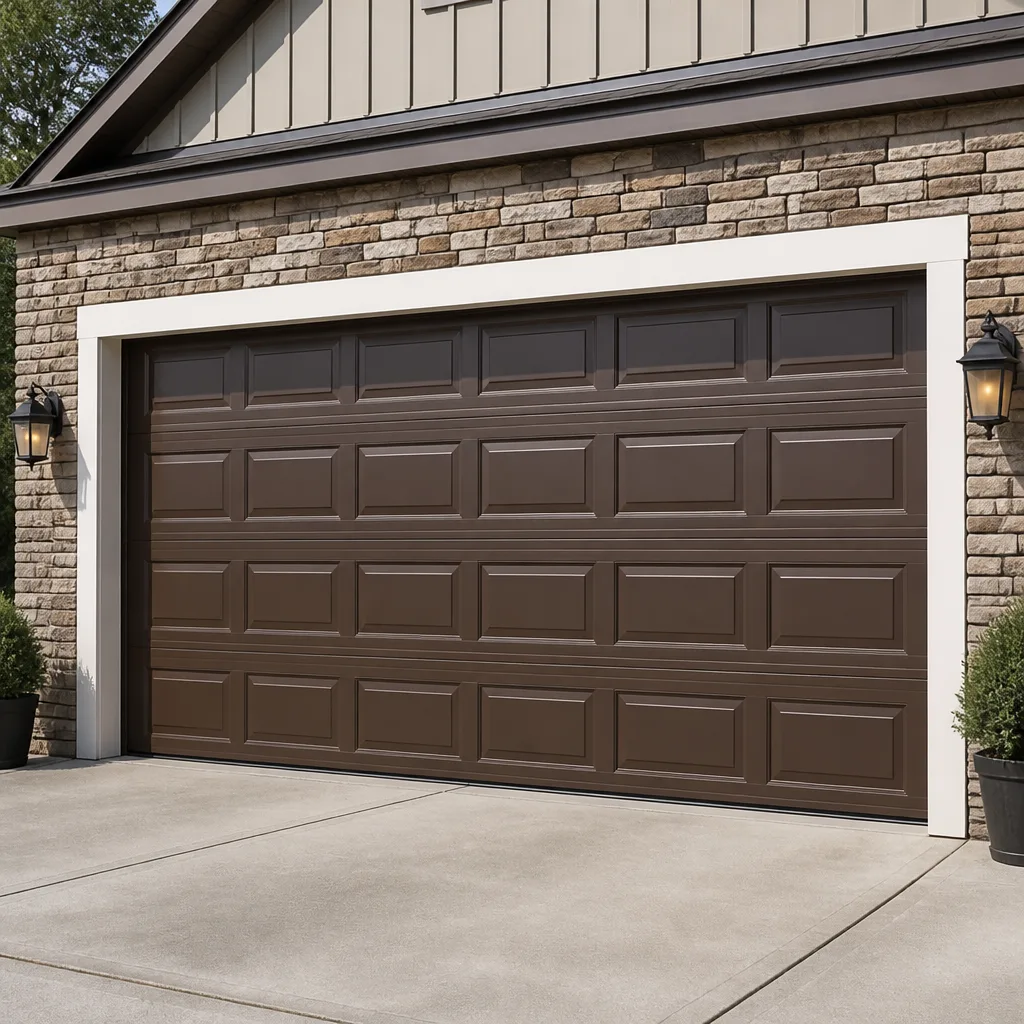 Raised-panel steel
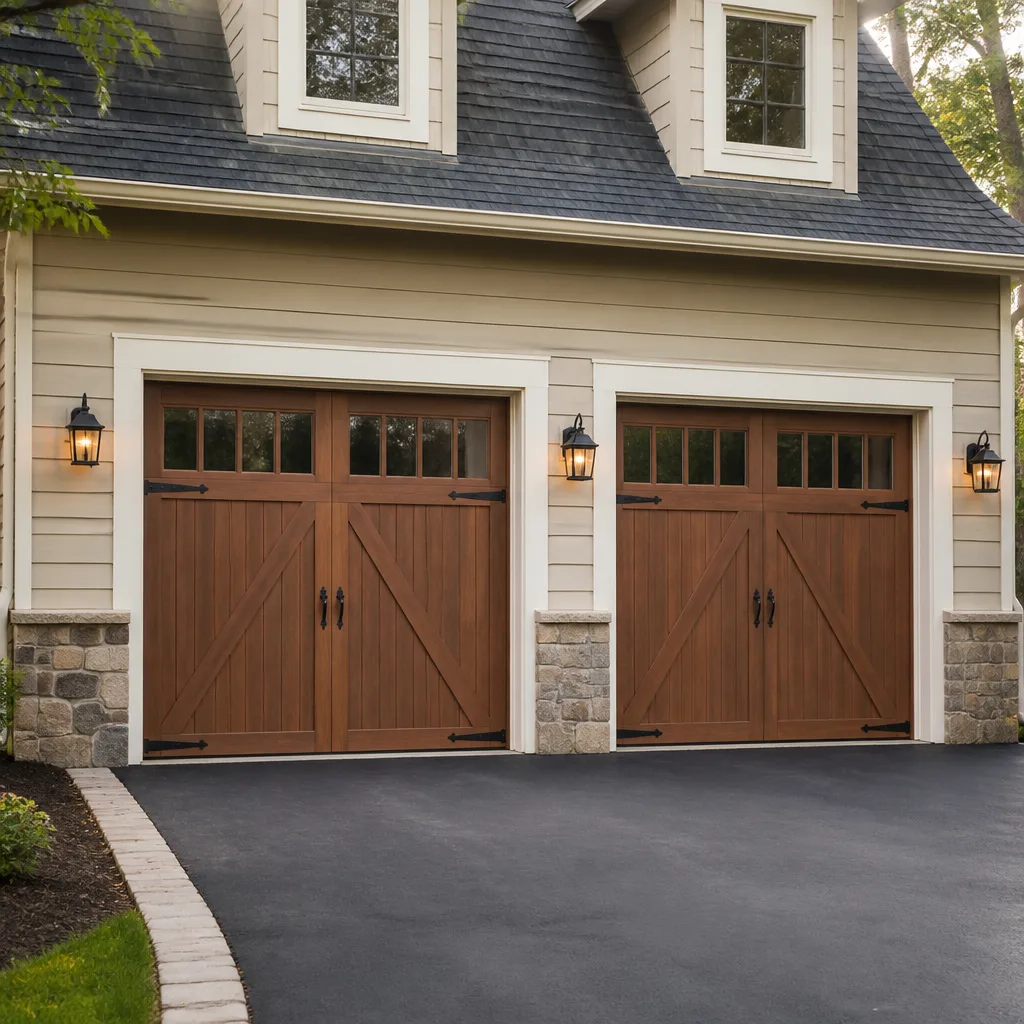 Carriage house
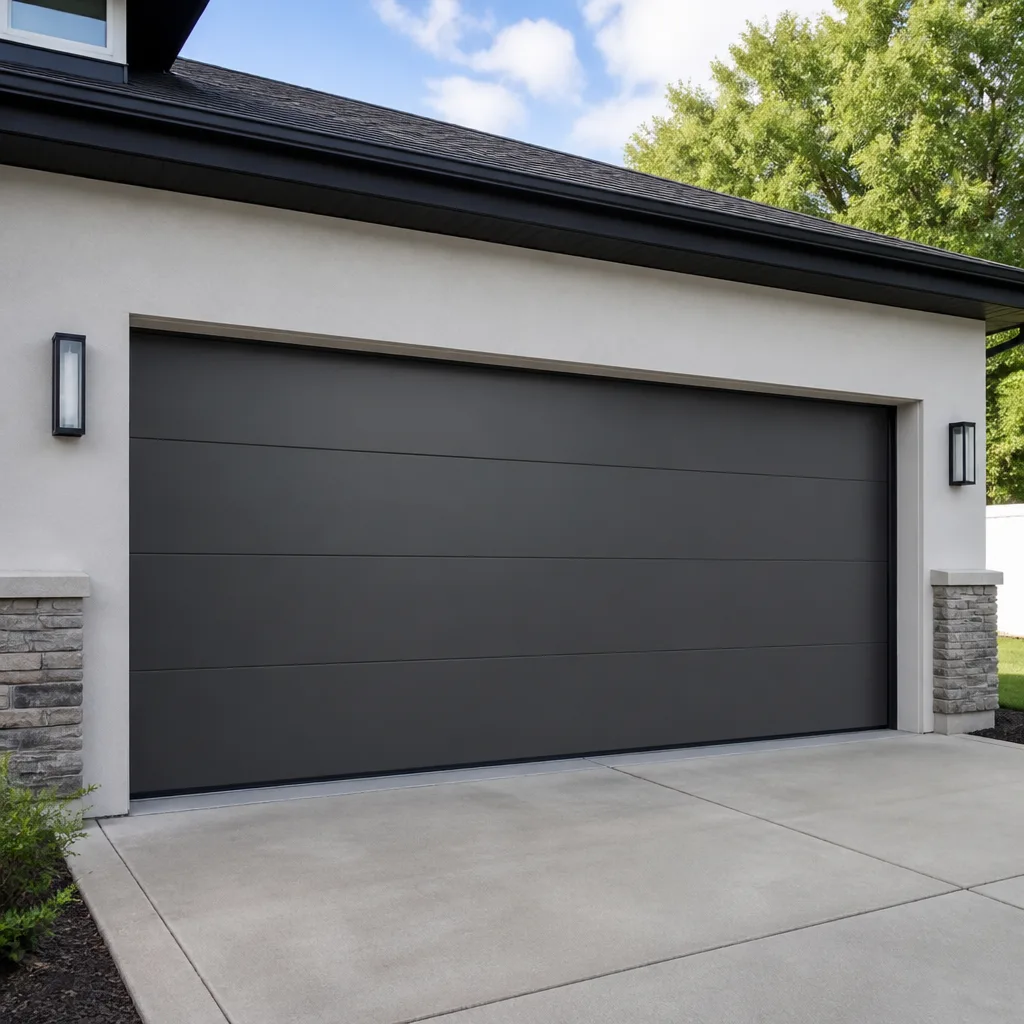 Modern flush
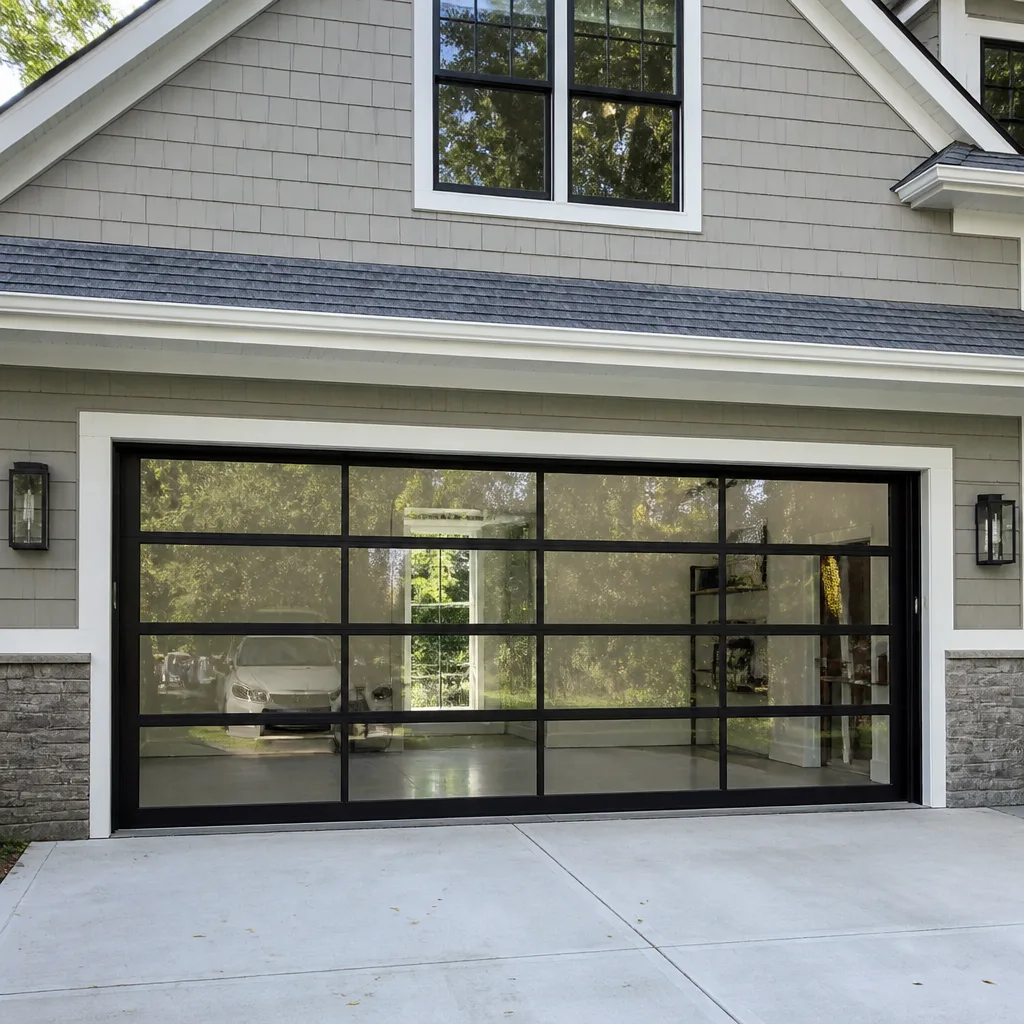 Full-view glass
 LiftMaster openers
 Chamberlain openers
Full 25-point door and opener safety check with every visit - springs, cables, rollers, tracks, and your LiftMaster or Chamberlain opener included
You get a price before we start. It does not change when the truck arrives.
Get your free estimateGarage Door Warning Signs: A Riverside Homeowner’s Reference Guide
Here’s a truth most garage door guides won’t tell you: the difference between a $150 repair and a $1,800 replacement often comes down to whether someone recognized a warning sign six weeks earlier. Not six months. Six weeks. In Riverside, where summer heat bakes polyurethane rollers to brittle shells and winter Santa Ana winds slam doors against their tracks, that recognition window is even shorter. This guide—along with our more guides & resources—ranks the warning signs by what actually matters: which ones mean stop using the door today, which ones mean call a specialist this week, and which ones you can watch for another month. We’ll also cover the signs unique to Riverside’s climate that most national guides miss entirely.
Quick Answer
Garage door warning signs fall into three risk tiers: immediate hazards (cable fraying, spring separation, door reversing upward, any loud pop or bang) that mean stop using the door and call a specialist; repair-soon issues (grinding rollers, slow operation, visible track wear, sagging sections) that should be addressed within a week; and monitor-only conditions (minor seal wear, shallow rust, light squeaking) that can wait but shouldn’t be ignored. In Riverside, heat and wind accelerate certain failures, especially bottom seals and roller bearings.
Styles & brands we work with
Table of Contents
- Tier 1: Stop Using the Door Right Now
- Tier 2: Schedule a Repair This Week
- Tier 3: Monitor and Adjust
- Riverside-Specific Warning Signs
- A Sound Identification Guide for Garage Door Noises
- Cable Fraying: How Many Broken Strands Is Too Many?
- Smart Opener Warning Signs: When It’s the Sensor, Not Your Wi-Fi
- Common Mistakes to Avoid
- When to Call a Professional
- Frequently Asked Questions
Tier 1: Stop Using the Door Right Now
A slowly reversing garage door and a door that won’t reverse at all look like the same category of problem from the outside. One is a sensor alignment issue you can fix in five minutes. The other is a torsion spring on the verge of catastrophic failure. The difference matters, and in Riverside, where most homes have attached garages that double as entryways, a door that fails mid-cycle is more than an inconvenience. It’s a 150-to-400-pound object moving under spring tension. These are the signs that justify stopping all use of the door until a specialist has looked at it.
1. A Gap in the Torsion Spring
Stand under your open garage door and look up at the torsion shaft, the metal tube that runs horizontally above the door opening. If you see a two-inch gap in the spring coil, that spring has broken. It is no longer under tension. The door’s entire weight is now being managed by whatever components remain intact, and they will fail. This is not a watch-it situation. A broken torsion spring is a replacement-level repair, full stop. You’ll often hear the break: a loud bang that sounds like a firecracker or a dropped dumbbell, sometimes mistaken for a car backfiring in the driveway.
2. Visible Fraying on Lift Cables
The lift cables run along both sides of the door and connect the bottom brackets to the torsion system. They look like braided steel wire, because that’s exactly what they are. When individual strands start snapping, the cable develops a fuzzy or feathered appearance. More detail on the strand-count threshold in the cable fraying section, but the short version: if you can see broken strands from five feet away, that cable is close to snapping. And when a lift cable snaps under tension, it whips. In a closed garage, that means a steel cable travelling at high speed near whatever is stored in there, including your car.
3. The Door Reverses Upward When Closing
Some homeowners describe this as “the door changes its mind.” You press the close button, the door travels down six inches to two feet, then reverses back up and the opener light flashes. The most common cause is a misaligned photo eye sensor, which is a simple fix and safe to address yourself. But there’s a second possibility: the opener’s force settings are detecting genuine resistance because the door is binding in its tracks, or because a spring has weakened and the opener is now lifting more weight than it was designed to manage. If cleaning the sensor lenses and confirming alignment doesn’t solve it, treat it as a Tier 1 issue. The door is telling you something about its mechanical condition.
4. The Door Starts to Close, Then Free-Falls the Last Few Inches
A controlled close is steady from top to bottom. A free-fall close looks like the door gives up partway and drops the last foot under its own weight. That’s a counterbalance failure, meaning the springs are no longer doing their job and the opener is catching the full weight of the door. Every cycle you run in this condition is abuse on the opener motor and the cables. The door may not fully fail tomorrow, but it’s being damaged every single time you use it.
5. Any Loud Pop, Bang, or Metallic Snap During Operation
Garage doors make noise. They don’t make explosive noise. A loud bang is almost always structural: a spring breaking, a cable snapping, a roller column separating from its stem. If the door still opens and closes after the noise, count yourself fortunate, but do not assume the problem resolved itself. Something broke. The remaining components are now compensating, and they weren’t designed for that.
Tier 2: Schedule a Repair This Week
Tier 2 signs won’t send your door crashing down in the next 48 hours, but they’re actively accelerating wear on more expensive components. Our Seasonal Garage Door Care for Riverside: Year-Round Homeowner’s Guide explains how to catch these before they escalate. Every week of delay turns a $40 roller replacement into a $200 track repair, or a $90 hinge fix into a $600 panel replacement. These are the issues where pacing yourself is actually costing you money.
Grinding or Gritty-Sounding Rollers
Rollers have ball bearings inside a sealed or semi-sealed housing. When those bearings wear out, the wheel doesn’t spin freely. It grinds against the track with a gritty, sandpaper-y sound. In Riverside’s dry climate, the dust that blows through neighborhoods like Canyon Crest and Orangecrest accelerates this wearing process; the fine particulates get into the bearing housings and act as an abrasive every cycle. A grinding roller is not repairable. It’s a replacement item. The stakes: a seized roller will eventually stop rolling and start sliding. A sliding roller carves a flat spot into the track rail, and then you’re replacing track sections as well.
The Door Wobbles from Side to Side While Moving
Watch the door from inside the garage while it travels. If the panels shift laterally more than a quarter inch, something in the hinge system is loose or the track brackets have come out of alignment. Riverside homes built on expansive clay soil, especially in the La Sierra and Arlington areas, are prone to subtle foundation movement that shifts garage door framing over time. That shift translates directly to the track mounting points. A wobbling door is hammering its own hinges with every cycle, and the looser the hinge, the more the panel flexes, and the earlier you’ll see stress cracks forming.
Light Slams or Thuds at the Bottom of Travel
A door that closes with a pronounced thump rather than a soft set is telling you the travel limits on your opener need adjustment. But it’s also a sign the door may be slightly out of balance, meaning the springs are starting to fatigue. A well-balanced door doesn’t slam. It settles. If your door has started slamming in the last few months, the balance has shifted. That’s a spring tension issue that’s easier to correct before the spring fails entirely.
Increasingly Slow Operation
If the door takes noticeably longer to open or close than it did six months ago, something is creating mechanical drag. Common culprits in Riverside include heat-hardened grease in the torsion tube, dust-packed track channels, and failing bearings in the rollers. The opener motor compensates by working harder, which shortens its lifespan. Opener replacement is one of the more expensive single repairs on a garage door system, so seeing reduced door speed as an early-warning sign for the motor as much as anything else.
Tier 3: Monitor and Adjust
Some warning signs are genuinely low urgency. They’re still information, and ignoring them for years will eventually turn them into Tier 2 problems, but nothing below requires immediate action. These are the conditions you photograph on your phone, note in a maintenance log, and keep an eye on.
The Bottom Seal Is Cracking but Still Uniform
Rubber bottom seals in Riverside age differently than in coastal cities. The combination of dry heat and UV exposure causes the rubber to harden and develop shallow surface cracks, often within three years of installation. As long as the seal is still pliable enough to compress against the floor and there are no visible gaps where light enters under the closed door, it’s functioning. The moment you see a gap or the seal has a chunk missing, it’s moved to Tier 2 because your garage is now open to rodents in Mission Grove, dust in Alessandro Heights, or rain during the February storms.
Light Surface Rust on Track Hardware
Riverside’s humidity levels are generally low, so track rust is less aggressive here than it would be in a coastal market. Light copper-orange surface bloom on brackets and bolts is cosmetic and typically harmless for years. What you’re watching for is flaking rust that leaves visible metal loss, or rust that develops around the track mounting bolts. That’s structural, and it belongs in Tier 2.
An Occasional Squeak from One Hinge
Dry hinges squeak. It’s the pin rubbing against the hinge leaf without adequate lubrication. A squeak that’s consistent and rhythmic is just a dry hinge asking for a spray of white lithium grease. A squeak that’s intermittent and paired with visible side-to-side movement is the early stage of hinge wear, which is still low-urgency but worth noting. Riverside’s dry air means hinges lose grease faster than in humid climates, so a spring and fall lubrication routine is a genuinely useful habit here.
Minor Delays in Opener Response
If you press the wall button or remote and the door hesitates for a second or two before responding, this can be a low-voltage wiring issue, weak remote batteries, or a logic board beginning to age. If it happens with both the wall button and remote, it’s the opener. If it only happens with the remote, replace the batteries before drawing conclusions. A two-second delay is Tier 3. A opener that requires multiple presses to respond, or stops responding mid-travel, is Tier 2.
Riverside-Specific Warning Signs
National garage door guides are written for a generic homeowner who doesn’t exist. They mention snow, rust from road salt, and cold-weather lubricant choices. None of that applies here. Riverside has its own failure modes, and homeowners in the Inland Empire see patterns that someone in Michigan or Florida will never encounter. These are the warning signs specific to our climate and geography that most content misses.
Heat-Warped Bottom Seals vs. Normal Weatherstripping Wear
Normal weatherstripping wear is uniform: the seal flattens evenly along its length, or develops cracks that spread consistently. Heat warping is different. It’s concentrated. On west-facing garage doors in neighborhoods like Victoria and Magnolia Center, the afternoon sun hits the bottom section of the door directly, and the concrete apron in front of the door radiates heat upward at the seal. The combination of direct UV and rising heat causes the rubber to develop soft spots, blisters, and wavy distortion in specific sections rather than uniform cracking. If you see a seal that’s flat and cracked in some places but swollen and misshapen in others, that’s Riverside heat damage. Replace it with a commercial-grade EPDM rubber seal, not the basic vinyl the previous owner may have installed.
Dust Infiltration Patterns That Reveal Track Problems
Most guides tell you to inspect your tracks visually. Rarer is the advice to use the dust itself as a diagnostic tool. In Riverside, fine desert dust settles on every horizontal surface inside an open garage. What you’re looking for is not where the dust is, but where it isn’t. If dust covers the tracks uniformly, the door is traveling evenly and tracking straight. If you see sections of track where dust has been scraped clean in irregular patches, that’s evidence of roller contact happening at an angle: a roller is grinding against the side of the track rather than rolling through its channel. The pattern is especially visible on vertical tracks. Clean tracks near the top, dirty tracks near the bottom, or vice versa, indicates the door is moving slightly out of plane and making contact that shouldn’t be happening.
Dry Climate Noise Signatures
Riverside regularly posts single-digit humidity between May and October. In those conditions, lubricants dry out faster, rubber compounds harden quicker, and metal-on-metal contact is more likely. A door that squeaks in August but quiets down in December after the first decent rain is not a door that fixed itself. It’s a door whose lubricant was marginal and got temporarily assisted by ambient moisture. The problem will return, and each dry-season cycle does incremental damage to the hinge pins.
Santa Ana Wind Strain Patterns
When the Santa Anas blow through the Cajon Pass and hit Riverside, garage doors facing north or northeast get buffeted with sustained gusts that push against the panel sections while the door is in the closed position. That’s lateral force on hinges, brackets, and struts. Homes in Woodcrest and the Box Springs foothills get this worse than the valley floor. The warning sign: after a strong wind event, stand outside your closed garage door and look for a visible gap between the top panel and the frame on the windward side. That gap means the wind pushed the door enough to shift it in its tracks, or the panel has taken on a slight bow. If the gap disappears when you run the door open and closed, the tracks reseated themselves. If it persists, the track alignment has shifted and needs adjustment.
A Sound Identification Guide for Garage Door Noises
Almost every garage door warning sign announces itself acoustically before it becomes visually obvious. The challenge is that the sounds are similar enough that homeowners lump them together as “the garage door is being loud.” Here’s how to tell them apart by ear, and what each one actually costs to ignore.
The Grind: Worn Roller Bearings
Character: A gritty, crunchy, sandpaper-on-metal sound that follows the door through its entire travel. It’s rhythmic, not constant, because it’s tied to each rotation of the roller wheel.
What’s happening: The sealed bearing inside the roller has failed, and the wheel is now grinding metal on metal against the track. The roller wheel is also no longer spinning freely, which means its surface is being machined flat by the track with every cycle.
Cost of ignoring: A worn roller is a $15 to $25 part. A track section damaged by a seized roller is $75 to $150, plus the labor to realign the entire track system. Ignored long enough, the door develops a jerky movement pattern that stresses panel seams and can crack a panel, which is a different conversation entirely.
The Pop: A Spring Under Stress
Character: A sharp, percussive sound, like a heavy rubber band snapping against a hardwood floor. Often a single event, not a repeating noise. Sometimes accompanied by a brief shake of the door.
What’s happening: With torsion springs, a single pop can be the spring rotating on the torsion shaft as it loses tension, or it can be the sound of the spring binding against itself due to insufficient lubrication. With extension springs (the long springs running parallel to the tracks on older doors), a pop can be a safety cable sliding over a stretched spring section.
Cost of ignoring: If the pop was a failing spring, it’s $250 to $450 for a professional torsion spring replacement, versus $1,800 or more for a full-door replacement if the spring lets go mid-cycle and the door falls while panels are in motion. If the pop was just a dry spring, a $10 lubrication job fixes it. But you can’t tell the difference from the sound alone. That’s the point.
The Squeal: A Dry Hinge
Character: A high-pitched squeak, similar to a door hinge in your house that needs oil. It occurs at specific points in the travel, usually where hinge #2 and hinge #3 pass through the curved section of track.
What’s happening: Hinge pins are riding against hinge leaves without any lubricant between them. Metal on metal. In Riverside’s dry air, the factory grease on residential hinges is typically gone within 18 to 24 months.
Cost of ignoring: The hinge pin and leaf are both slowly wearing, and the wear loosens the hinge pivot. A loose hinge lets the panel flex more than designed, which transfers stress to the panel seams and the roller stems. Homeowners who tolerate hinge squeal for years commonly end up with hinge replacement, which is a $35 to $60 repair, but occasionally with cracked panel edges, which can run $400 to $700 per panel depending on the brand.
The Rattle: Loose Hardware
Character: A metallic chattering or rattling sound that happens when the door is moving, especially noticeable when the door hits the bottom of its travel and the vibrations shake anything that’s loose.
What’s happening: Bolts, nuts, and bracket fasteners have loosened. This is common on Riverside homes that experience both the daily thermal expansion and contraction of the garage door metal and the occasional earthquake tremor. Fasteners work their way loose over hundreds of cycles.
Cost of ignoring: Often nothing, if caught early. A rattling door can usually be corrected by tightening track bolts, hinge bolts, and opener mounting hardware. Ignored, the loose hardware allows components to shift under load, which accelerates wear on every moving part.
Cable Fraying: How Many Broken Strands Is Too Many?
Lift cables are made of bundled steel strands wound around a core, typically 7 strands of 7 wires, or 7 strands of 19 wires on heavier doors. When the cable bends repeatedly around the drum as the door cycles, individual strands fatigue and eventually snap. The question is where the line is between “monitor it” and “replace it today.” Here’s the practical answer.
Zero to Two Broken Strands
If you have to run your finger along the cable to feel one or two raised barbs, or you spot a single broken strand under close inspection, the cable is technically still functioning at a high percentage of its rated strength. That said, broken strands are the beginning of the end. Cable strength doesn’t degrade linearly: once a strand breaks, the remaining strands carry a disproportionately higher load, and the failure rate accelerates. This is watch-it territory, but it’s also the cheapest time to replace the cable. A cable replacement on one side is typically under $150 with labor in the Riverside market when it’s caught at this stage.
Three to Five Broken Strands
Once three or more strands have snapped, the cable’s integrity is compromised. The remaining strands are being asked to carry load they weren’t designed for, and the cable is visibly fuzzy with broken wires. If the cable is on the torsion side, every cycle is flexing the damaged section around the drum. This is replace-this-week territory. At this point, the question is not whether the cable will fail, but which cycle number will be its last. And cable failure under tension is not gradual. It’s sudden, and the door drops on that side.
Six or More Broken Strands, or Any Signs of Unwinding
This is remove-the-tension-and-replace-today territory. At six or more broken strands, the cable may be close to complete unraveling around the drum. You may also see the cable has started to “birdcage,” meaning the strands are separating from the core and flaring outward. A birdcaged cable has lost a significant percentage of its tensile strength and can snap during the next door cycle. Do not operate the door. Do not attempt to remove or adjust a cable under tension yourself. Lift cables are under hundreds of pounds of spring tension, and a cable that releases while being handled can cause serious injury. This is a job for a specialist with the right winding bars and safety training.
Smart Opener Warning Signs: When It’s the Sensor, Not Your Wi-Fi
Wall-mounted and smartphone-controlled garage door openers have added a new category of warning signs that didn’t exist fifteen years ago. The temptation is to blame connectivity: your Wi-Fi signal, your router firmware, the app needing an update. But in our experience working with Chamberlain, Genie, and Craftsman smart openers across Riverside, a good portion of what looks like a connectivity problem is actually a mechanical sensor reporting an anomaly. Here’s how to tell the difference.
The App Shows “Partial Open” After Every Cycle
Your app tells you the door is open 80% or 90%, but visually the door is fully closed. This is often not a Wi-Fi issue. It’s the opener’s internal travel limits drifting. The opener tracks the door’s position through a series of passes, and when the door’s actual travel distance changes slightly due to spring fatigue, track wear, or a shifting footer, the opener’s recorded “closed” position no longer matches physical reality. The opener reports partial open because it genuinely believes the door is not where it should be. Relearning the travel limits is a short-term fix; the underlying drift is a symptom of the door’s balance changing, and that’s a mechanical condition worth investigating.
Frequent App Disconnects, but the Wall Button Works Fine
If the wall button operates the door without issue but the app randomly drops its connection, that’s likely a genuine connectivity problem: the opener’s Wi-Fi radio may be getting interference, or the router’s signal to the garage is marginal. This is common in Riverside where many garages are detached or positioned behind the house relative to the router. A Wi-Fi extender or mesh repeater often solves it, and this is not a mechanical problem.
The Opener Beeps but Won’t Run, and the App Shows a “Safety Sensor Fault”
Smart openers from Genie and Chamberlain use diagnostic beep codes to communicate fault conditions. Two beeps, four beeps, specific patterns. If the app reports a safety sensor fault and the door won’t close, that’s the photo eye sensor telling the opener’s logic board that something is in the door’s path. It’s the same misalignment issue as non-smart openers, but the smart opener is just better at reporting it. Check the sensors before touching anything else. Dust on the lens is enough to trip the fault.
Battery Backup Alerts Repeating Weekly
Openers with battery backup systems test their battery periodically. If you’re getting a low battery alert every week, and you’ve replaced the battery, the charger circuit on the logic board may be failing. That’s an opener repair issue, not a battery issue. In Riverside, where summer heat builds up in garages and shortens battery life, genuine battery failure after three to five years is expected. But repeatable alerts within months of replacement point to the board.
Common Mistakes to Avoid
- Lubricating rollers to quiet them down. A grinding roller has already failed internally. Greasing the outside of the wheel does nothing for the destroyed bearing inside, and the excess lubricant catches Riverside’s ever-present dust, creating an abrasive paste that accelerates track wear.
- Testing the auto-reverse by hand instead of with a pressure-sensitive object. The proper test involves placing a 2×4 or a rolled towel under the closing door to confirm it reverses. Sticking your hands in a closing door to “feel” the resistance is exactly what it sounds like: a leading cause of garage-door-related finger injuries and worse.
- Ignoring a door that reversed on its own “just once.” Garage doors don’t have moods. A one-time reversal is a one-time mechanical event that the door responded to. If it doesn’t repeat, that’s good, but it means something transient was in the door’s path or the force sensors registered an anomaly. Photograph the area and watch the next ten cycles closely.
- Replacing a broken spring with the same spec without asking why it broke. Springs fail from cycle fatigue, but Riverside homeowners who park in garages without ventilation during July and August can see the springs’ rated cycle life drop by a meaningful margin. Upgrading to a higher-cycle spring for a modest price difference is often the better value, especially on doors that cycle four or more times per day.
- Using WD-40 on garage door hardware. WD-40 is a water displacer, not a lasting lubricant. It strips existing grease and evaporates, leaving metal components drier than they were before. Use white lithium grease on hinges and rollers, and a proper garage door lubricant on springs and tracks meant for the purpose.
- Assuming Smart Opener problems are always electric. We covered this above, but it bears repeating: when the app reports odd door positions or the opener refuses to run, the problem is often mechanical drift, not a software glitch. The app is reporting what the sensors are telling it. The sensors are reading the door. Believe the sensors until proven otherwise.
When to Call a Professional
Some garage door maintenance is genuinely DIY-friendly: tightening loose bolts, lubricating hinges, cleaning photo eye lenses, replacing remote batteries, and even replacing a rubber bottom seal. But the high-tension components of a garage door system, torsion springs, lift cables, and opener-mounted safety systems, are not beginner projects. When a torsion spring fails or a cable snaps under tension, the stored energy is enough to cause severe injury. Our technicians at Blue Ribbon Garage Door Repair home have the winding bars, the rated hardware, and the cross-brand training to handle these repairs safely on doors from Clopay, Amarr, Wayne Dalton, and the other major manufacturers. If you’re seeing any Tier 1 warning sign, or you’re unsure which tier a symptom falls into, the inspection is free. Garage Door Repair in Riverside is our daily work, and we’re glad to look at what you’re seeing. Call (877) 283-1083 and we’ll walk you through what you’re describing before a truck ever rolls.
Frequently Asked Questions
Torsion spring replacement in Riverside typically costs between $250 and $450 including parts and labor, depending on spring type, door weight, and whether one or both springs are replaced. Replacing both springs at once is usually the better value, since the second spring is at the same point in its cycle life. For an exact quote on your door, call (877) 283-1083, estimates are free and we price the job before any work starts.
Riverside’s summer heat causes metal components to expand, which can temporarily change the door’s travel geometry. If the door binds slightly on hot afternoons but operates normally in the morning, the track is likely at the edge of its tolerance. The door may reverse when its force sensors detect that extra resistance. This is a sign that track alignment or clearances need correction before something wears past the failure point.
Replacing a lift cable requires removing tension from the torsion spring, a process that involves winding bars and a precise understanding of spring forces. A cable under tension can whip with enough force to cause serious injury or death if released improperly. We recommend against DIY cable replacement on torsion systems. Garage Door Opener Repair in Riverside and cable work are both safer when handled by someone who does this specific job every day.
Given the Inland Empire’s dry heat and dust, an annual inspection and lubrication is the minimum for most doors. We tell Riverside homeowners to expect a professional balance check every 12 months, and to re-lubricate hinges and rollers themselves in the spring and fall. Doors that see five or more cycles per day benefit from more frequent checks, since they accumulate cycles twice as fast as the average door.
A quality residential door from Amarr or Clopay installed in Riverside can last 20 to 30 years when maintained, but the moving parts won’t: springs typically last 10,000 to 20,000 cycles (roughly 8 to 15 years for a typical household), rollers last 5 to 10 years, and bottom seals often need replacement every 3 to 5 years in our heat. The door itself is the long-term asset. The hardware around it is a wear item.
It’s not immediately dangerous, but it means the opener’s learned travel limits no longer match the door’s actual travel, which usually means the door’s balance or track alignment has shifted. The opener is reporting what its sensors see, and the sensors are disagreeing with reality for a mechanical reason. A Garage Door Installation in Riverside specialist can reset the limits, but the underlying drift should be investigated rather than reset-and-forgotten.
The Bottom Line
Garage doors fail on a spectrum, not a schedule. In Riverside, the warning signs that matter most are the ones that indicate stored energy is about to be released in an uncontrolled way: frayed cables, sprung springs, bindings that make the door reverse, and sounds that don’t belong. The signs that matter second-most are the daily-wear indicators that quietly turn small repairs into big ones: grinding rollers, sagging panels, worn-out seals, loosened hardware. Learn to read the door the way you read your car, by sound and by feel, and the garage door will tell you what it needs before it fails. And when you’re not sure which tier a sign falls into, the fastest thing we can tell you is that the assessment is free. That’s the Blue Ribbon standard, and it’s what we’d want if it were our door.
Written by the team at Blue Ribbon Garage Door Repair, serving Riverside since 2013.
See the difference
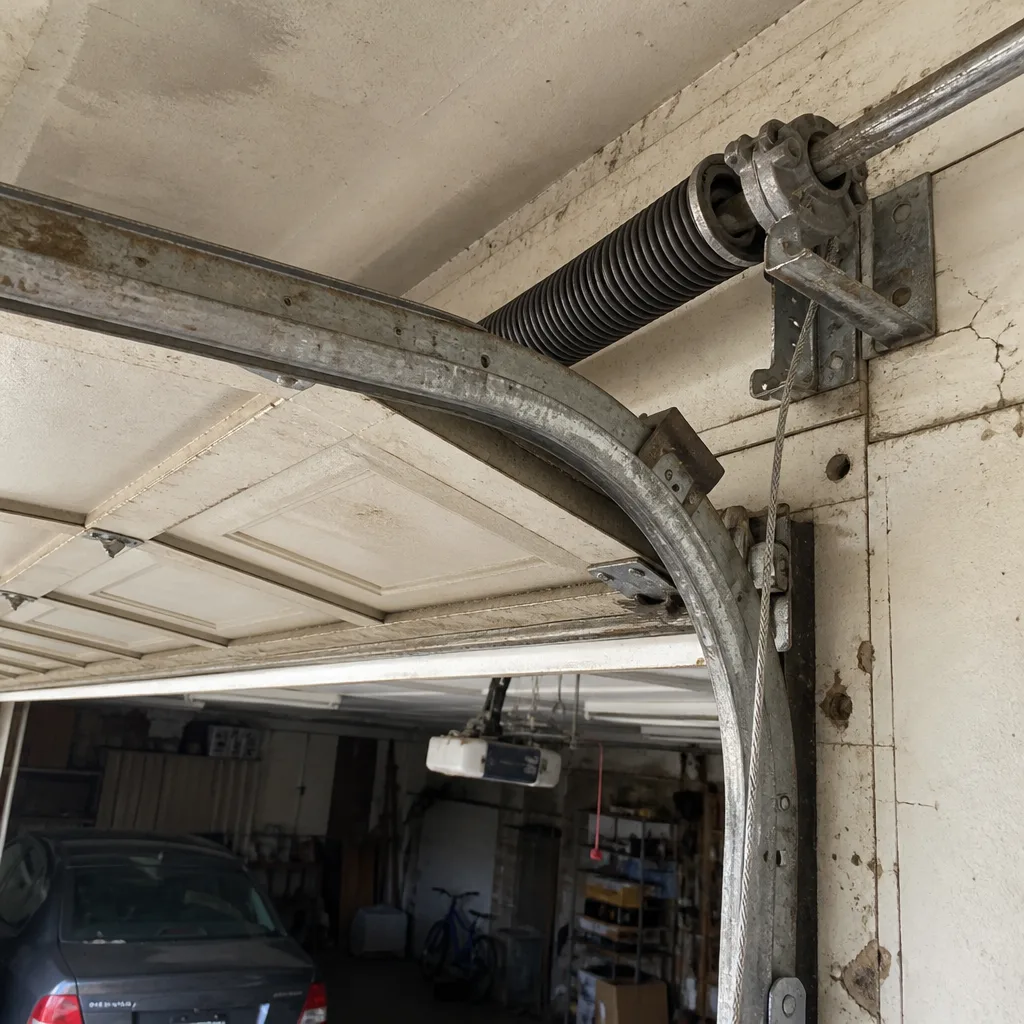 Before
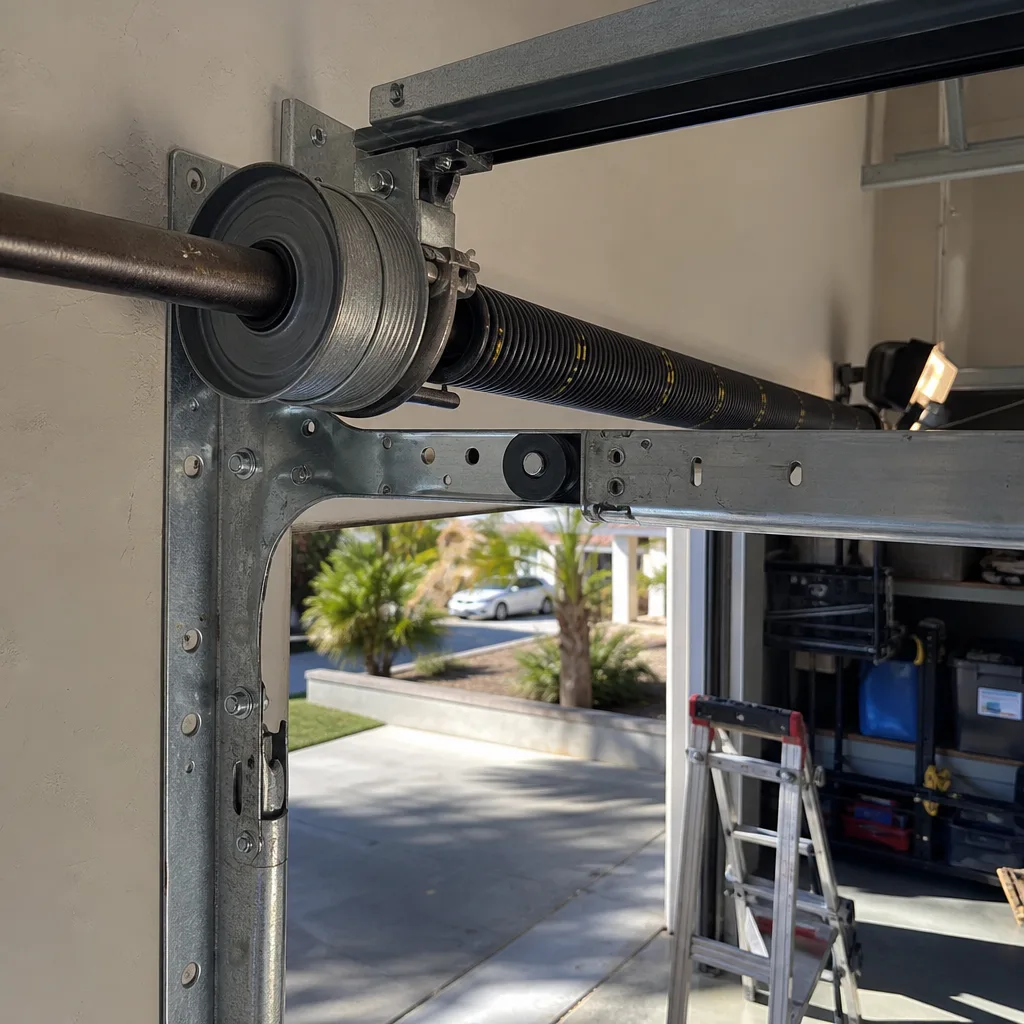 After
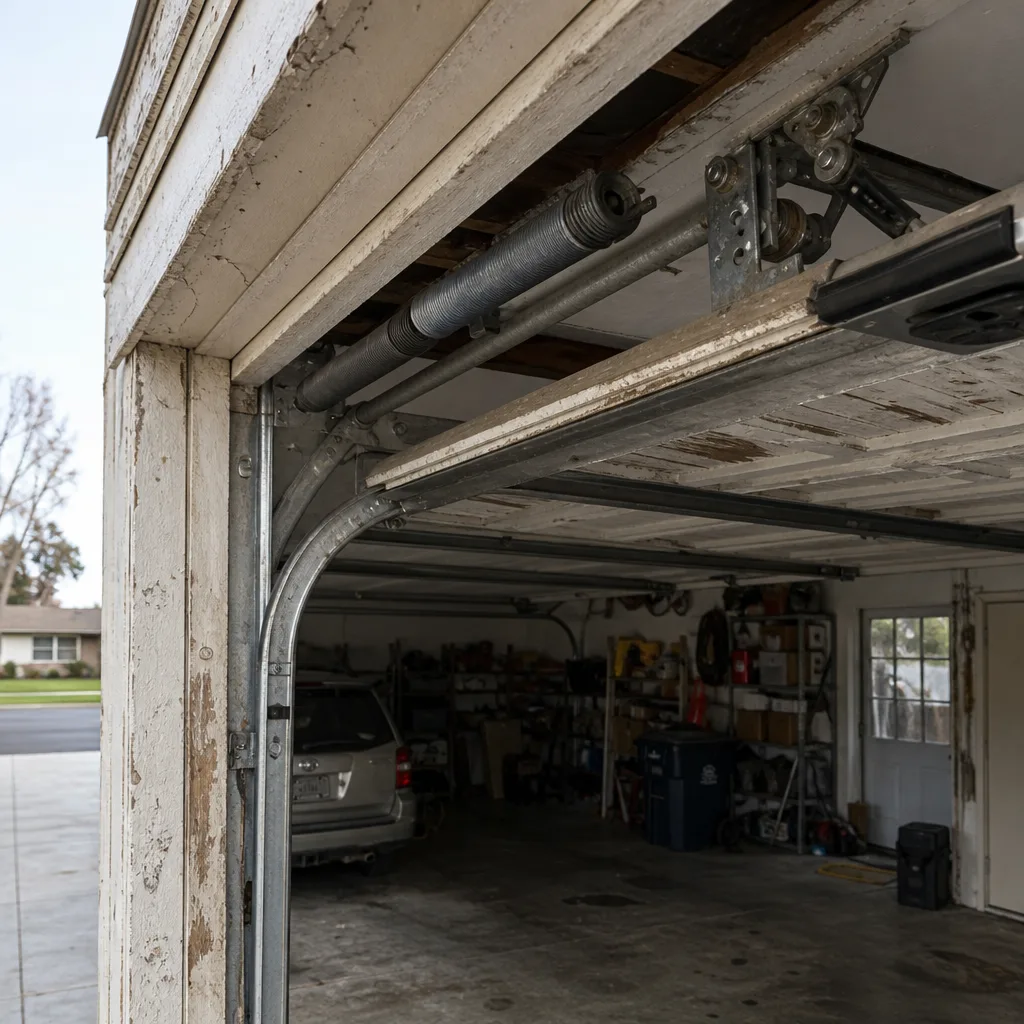 Before
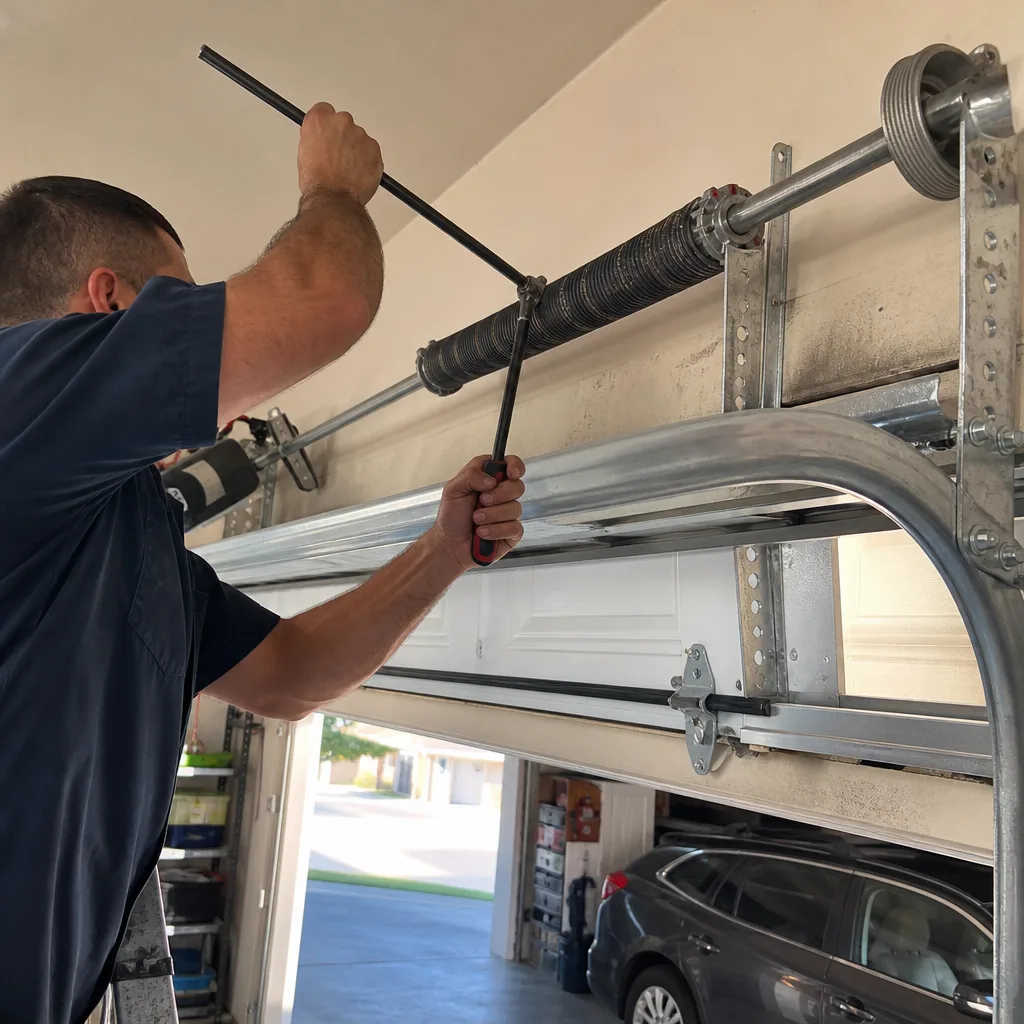 After
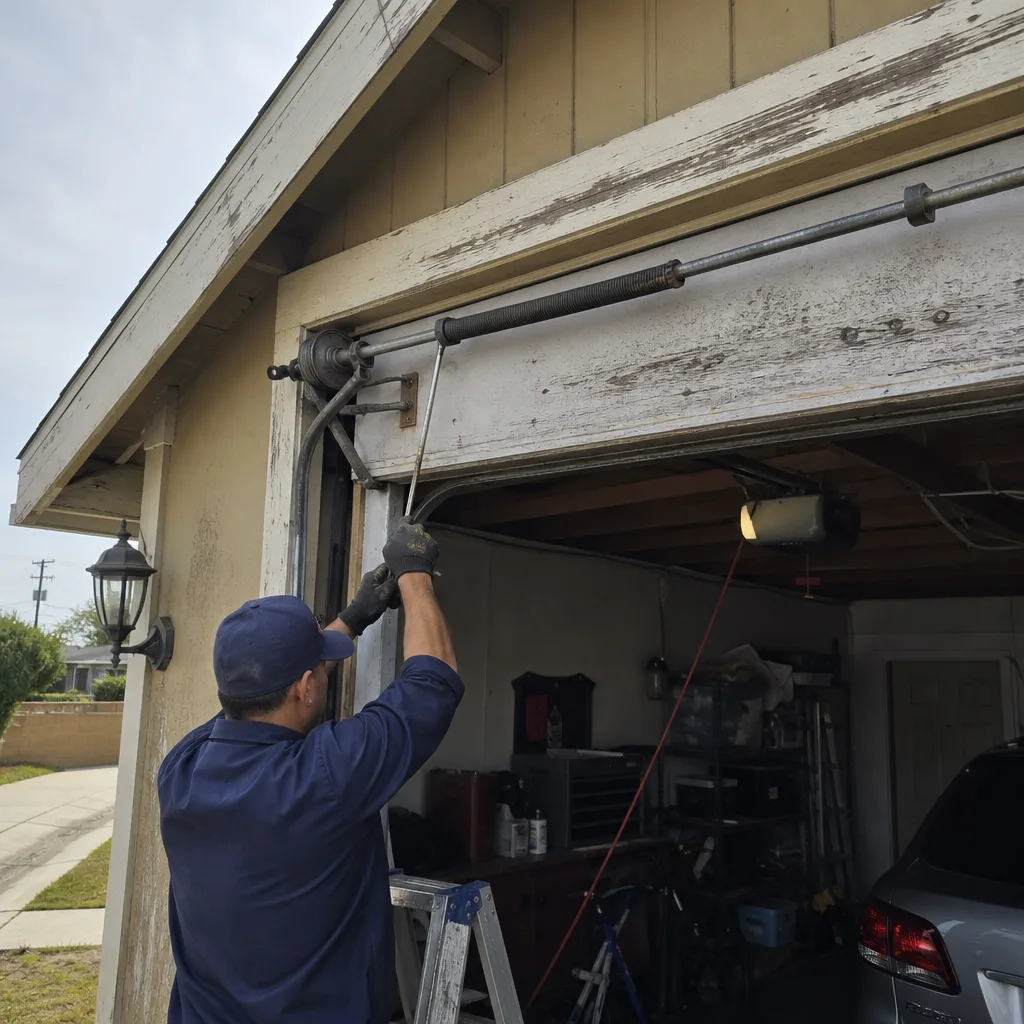 Before
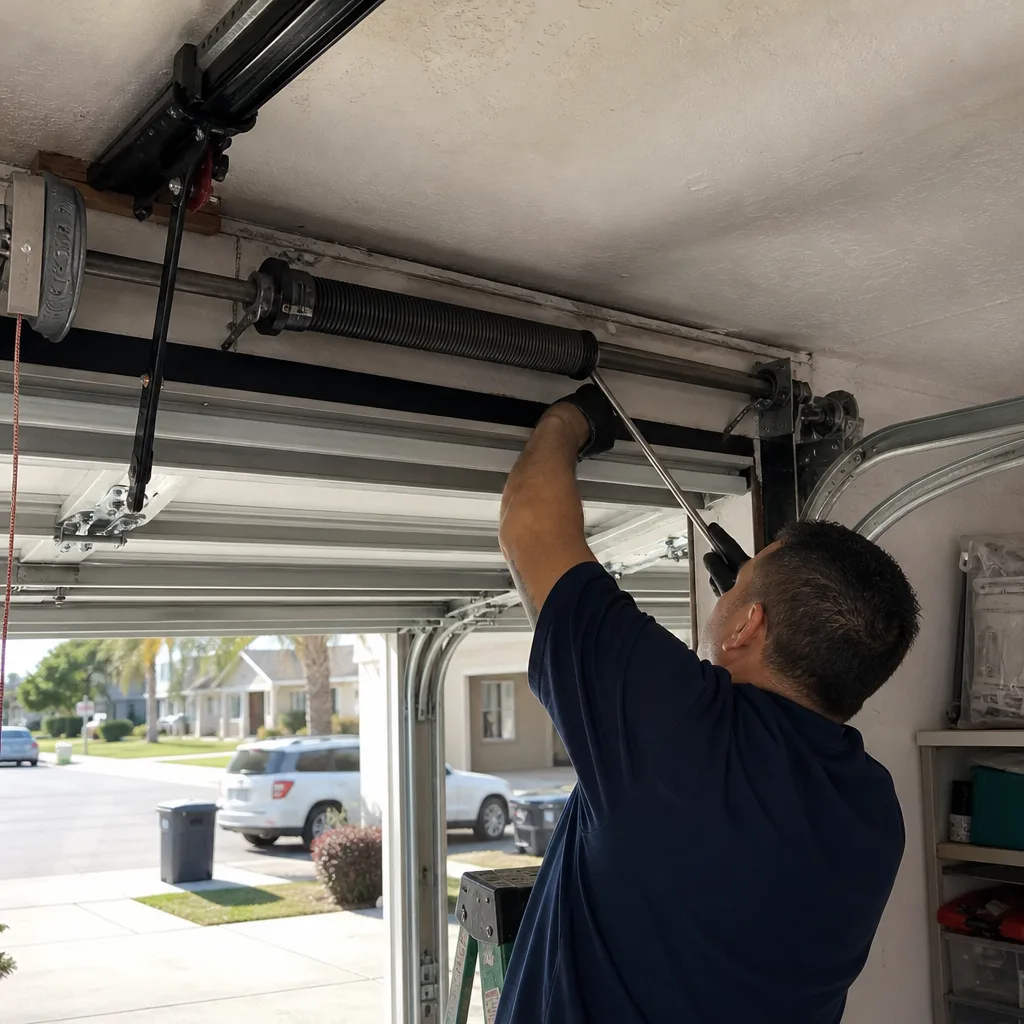 After