Last updated October 30, 2026
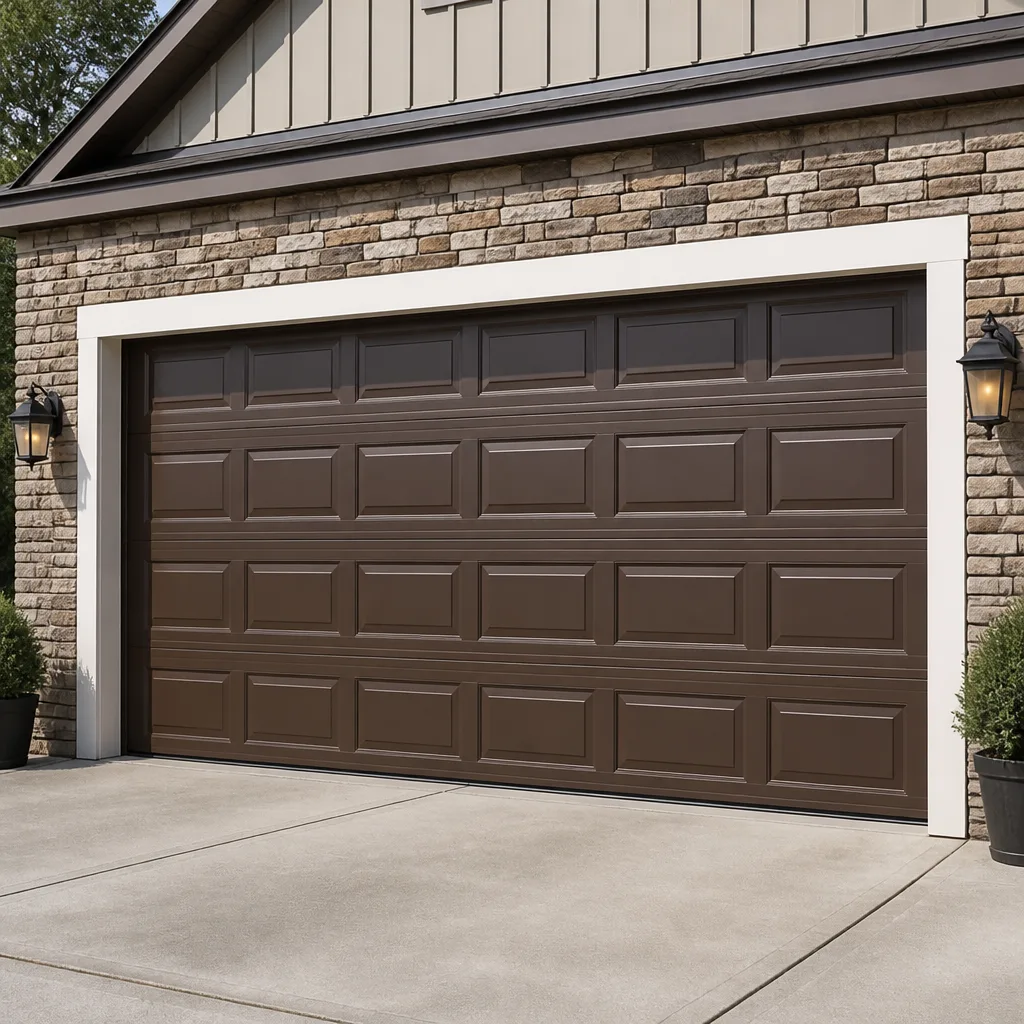 Raised-panel steel
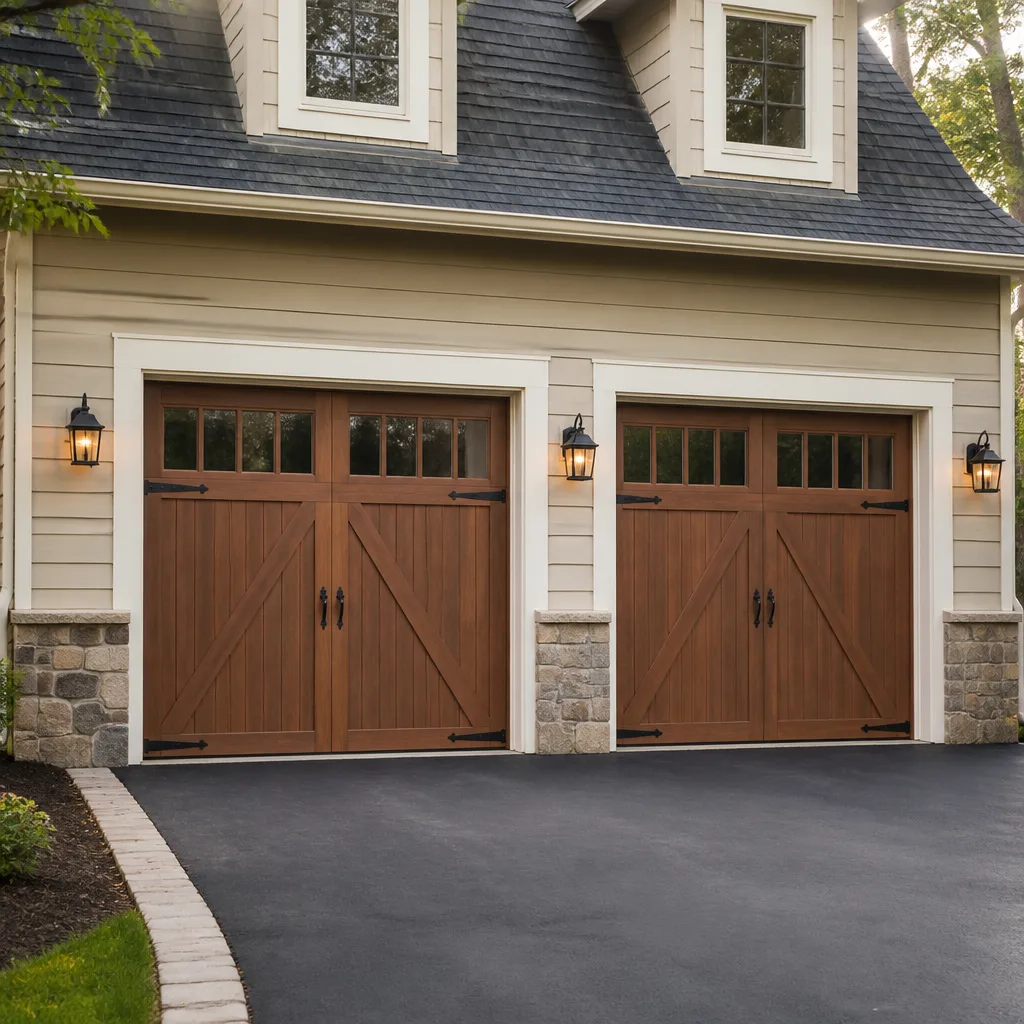 Carriage house
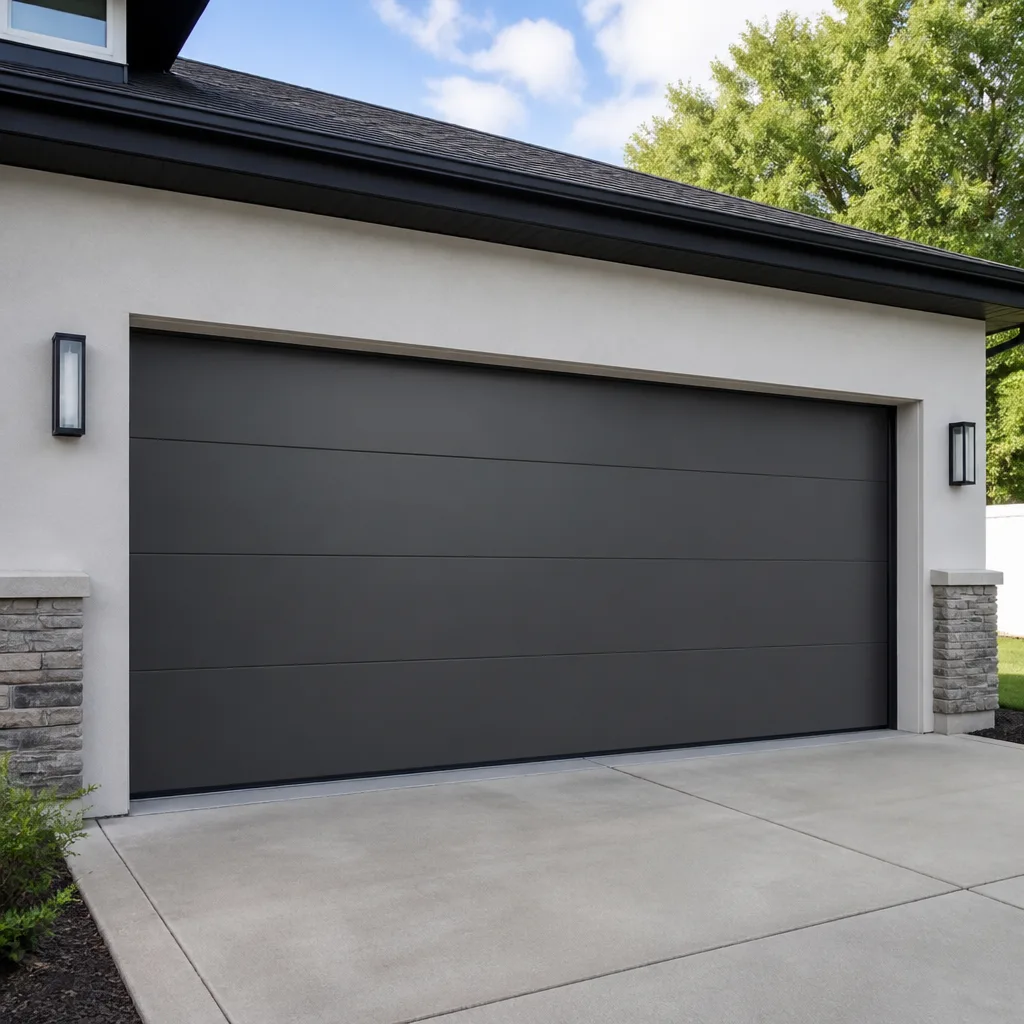 Modern flush
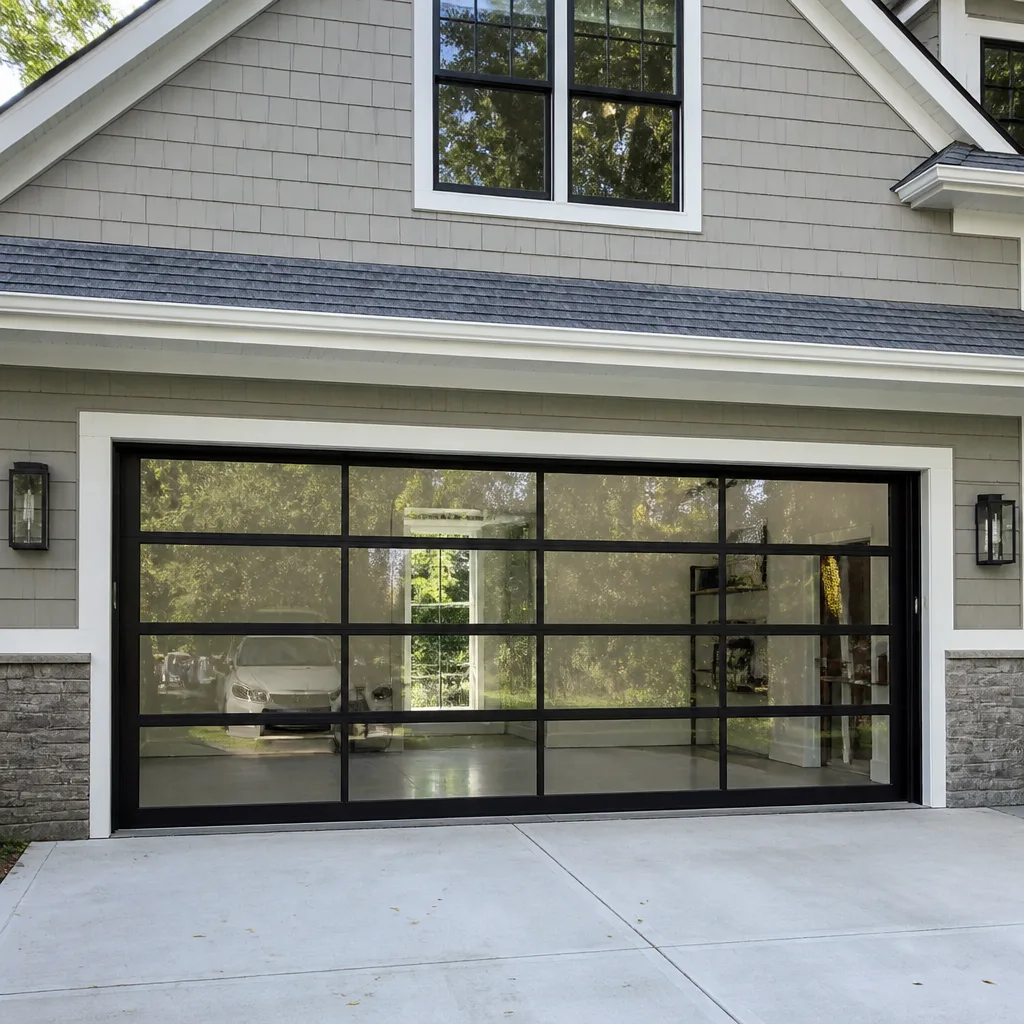 Full-view glass
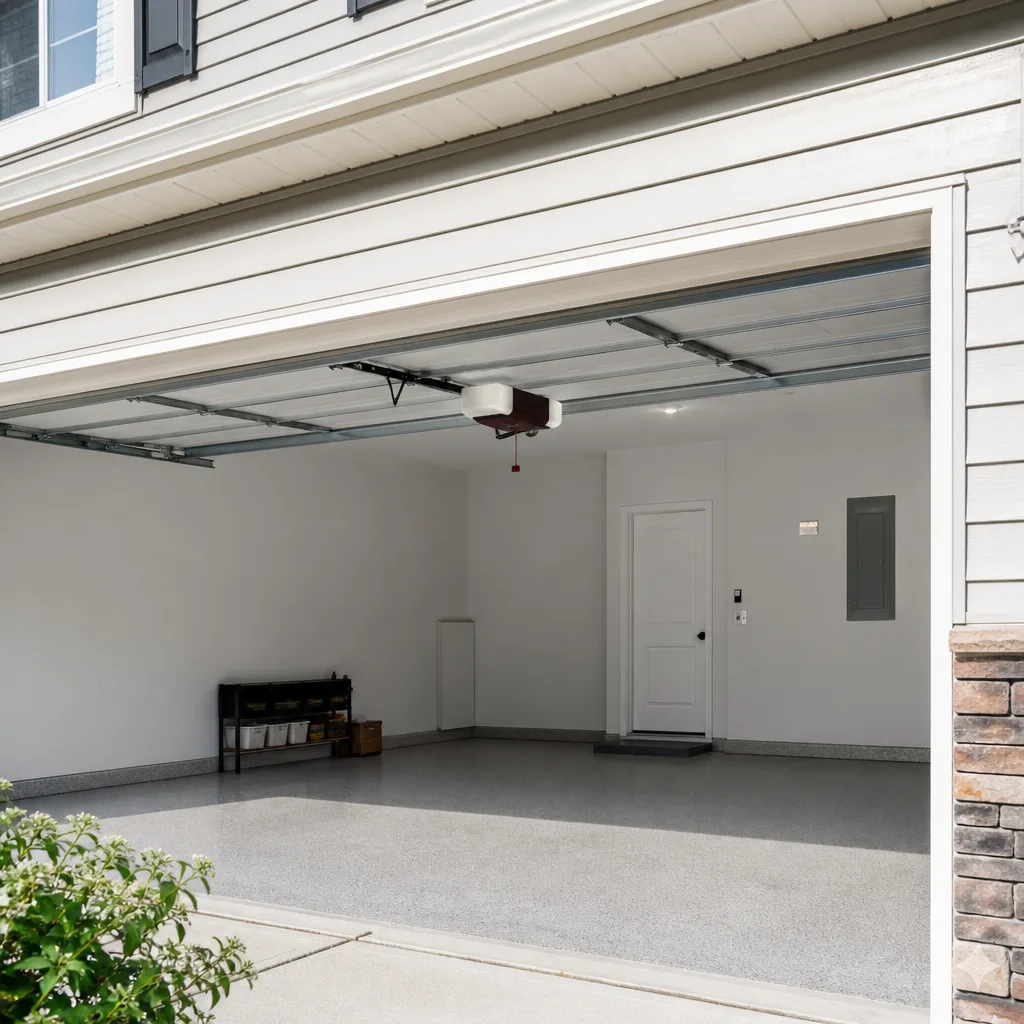 LiftMaster openers
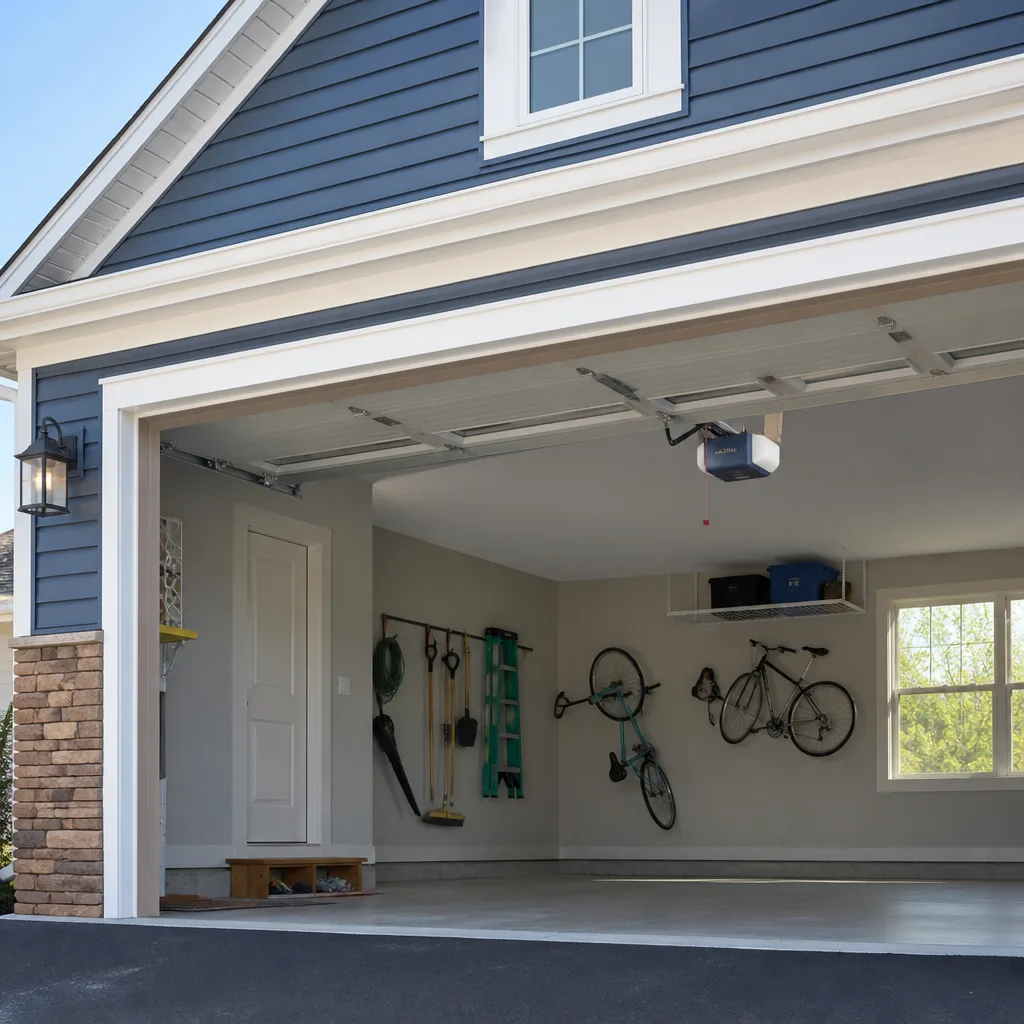 Chamberlain openers
Full 25-point door and opener safety check with every visit - springs, cables, rollers, tracks, and your LiftMaster or Chamberlain opener included
You get a price before we start. It does not change when the truck arrives.
Get your free estimateChoosing the Right Garage Door Brand: A Buyer’s Guide for Riverside
Clopay is the most-installed residential garage door brand in the United States, and it’s also the brand we see mismatched most often in Riverside. Homeowners buy a product tier based on national reviews, then discover that a door rated for Michigan winters behaves very differently on a west-facing garage in Climate Zone 10. This guide will walk you through the three criteria that actually matter when choosing a garage door brand in Riverside: heat tolerance, parts availability within the Inland Empire, and contractor familiarity. For a deeper dive, see The Complete Guide to Garage Door in Riverside. We’ll cover insulation ratings, steel gauge, opener pairing, and what factory certification means when the door stops working three years from now.
Styles & brands we work with
Quick Answer
The best garage door brand for a Riverside home is the one with an R-value of at least R-12 for south or west-facing garages, local parts warehousing within the Inland Empire, and a contractor base that’s factory-familiar with that brand. Clopay, Amarr, and Wayne Dalton all meet these criteria when you select the correct product tier. Brand choice matters less than choosing the right specification within a brand, and choosing a contractor who actually knows that brand’s quirks. Blue Ribbon Garage Door Repair works across eight major brands including Clopay, Amarr, and Wayne Dalton, so our recommendations are based on what your door actually needs in Riverside’s climate, not on pushing one manufacturer’s product line. Not sure whether to fix it yourself or call a pro? Read our DIY vs Professional Garage Door: The Riverside Homeowner’s Decision Guide.
Table of Contents
- Why Riverside’s Climate Zone Changes Brand Recommendations
- Reading R-Value Specs: What R-12 Actually Means in Riverside
- Parts Availability: Which Brands Have Inland Empire Warehousing
- Steel Gauge Across Major Brands: What Matters at Riverside’s Temperature Extremes
- Opener Brand Pairing: Native Integration vs. Third-Party Compatibility
- Factory Certification: Why It Changes Diagnosis Speed
- Brand-by-Brand: What We Actually See in Riverside Garages
- Common Mistakes to Avoid
- When to Call a Professional
- Frequently Asked Questions
- The Bottom Line
Why Riverside’s Climate Zone Changes Brand Recommendations
Riverside sits in California Climate Zone 10, which the California Energy Commission defines by its summer temperature peaks and relatively mild winters. What this means for garage doors is straightforward: heat management matters more than cold protection, and the sun’s angle in Riverside puts west and south-facing garages through daily thermal cycles that most national door reviews never consider. A door that performs fine in Ohio will soak heat differently here. The garage becomes an oven by mid-afternoon, and that heat migrates into the home if the wall between garage and living space isn’t properly insulated. National brand rankings don’t account for this. Riverside-specific selection does.
In our experience working on garage doors across Riverside neighborhoods from the Wood Streets to Orangecrest, we’ve seen the same pattern repeat: thin, non-insulated steel doors on south-facing garages create interior garage temperatures above 110°F by 3 p.m. between May and October. Homeowners then wonder why the room above the garage won’t cool. The fix starts at the door specification, not the HVAC system. This is why we recommend a minimum of R-12 insulation for any attached garage in Riverside with significant sun exposure, and we’ll explain exactly how to read those specs in the next section.
Reading R-Value Specs: What R-12 Actually Means in Riverside
R-value measures thermal resistance: the higher the number, the slower heat moves through the door. Manufacturers publish R-values calculated using different testing standards, which makes direct comparison between brands trickier than it should be. Clopay and Amarr typically report R-values based on the door’s actual installed performance, while some budget lines report the R-value of the insulation material alone, not the finished door. A door listed at R-9 may actually perform closer to R-6 once you account for the steel skin and air gaps.
Here is the practical breakdown for Riverside homeowners:
- R-6 to R-9: Acceptable only for detached garages or garages with no living space above or adjacent. These doors slow heat slightly but won’t meaningfully reduce interior garage temperatures during a Riverside summer.
- R-12 to R-16: The practical minimum for attached garages in Riverside, especially west or south-facing exposures. Doors in this range use either polystyrene insulation (around 1-3/8″ to 2″ thick) or polyurethane injection (denser, better structural rigidity).
- R-18 and above: These are typically three-layer doors with polyurethane insulation, a steel back panel, and better seals. They cost more, but they also quiet the door operation and resist denting better than thinner doors.
A word on polyurethane versus polystyrene: polyurethane is injected as a liquid and expands to fill the door cavity, bonding to both steel skins. Polystyrene is cut-board insulation inserted between panels. At similar R-values, a polyurethane door will feel sturdier, dent less, and hold its R-value longer because the insulation doesn’t shift. For a Riverside garage door that will expand and contract through daily summer heat cycles, that structural difference matters more than the R-value number on its own.
Parts Availability: Which Brands Have Inland Empire Warehousing
Every garage door brand eventually needs a part: a hinge, a cable, a spring, a panel after an accident. The difference between a one-week repair and a three-week repair is whether the distributor has a warehouse within a reasonable drive of Riverside. Clopay, Amarr, and Wayne Dalton all maintain distributor presence in the Inland Empire, which means replacement sections, springs, and hardware are typically available within a few business days. Other national brands ship parts from Texas, the Midwest, or the East Coast, and a homeowner with a damaged panel on a 16-foot door can wait two to three weeks for a replacement section to arrive.
This matters in Riverside specifically because our market has an older, established housing stock. Homes built in the 1970s through 1990s in neighborhoods like Canyon Crest, La Sierra, and Mission Grove often have door sizes and track configurations that are no longer standard. If a brand has local warehousing, matching a legacy door or sourcing a dimensional section is much faster. If not, the homeowner faces longer downtime or a full door replacement that wasn’t necessary. When we recommend a brand, parts availability within the Inland Empire is one of our top three criteria. It’s the difference between fixing the door you have and replacing the whole system.
Steel Gauge Across Major Brands: What Matters at Riverside’s Temperature Extremes
Steel gauge is a measure of thickness, and the numbering runs opposite to what most people expect: a 24-gauge panel is thinner than a 26-gauge panel is thinner than a 28-gauge panel. The lower the number, the thicker the steel. Entry-level doors from most brands use 27 or 28 gauge steel, which dents easily and becomes more vulnerable at high temperatures when metal expands. A direct hit from a ball or a corner of a lawn mower can leave a crease that compromises the panel.
Here’s a practical comparison of what the major brands offer at their mid and upper tiers:
- Clopay: Entry lines start at 27 gauge; the Premium and Gallery series use 24 to 25 gauge steel with polyurethane cores. The thicker steel on the upper tier is one reason Clopay doors hold up well in sun-exposed Riverside garages.
- Amarr: The Lincoln and Heritage lines use 25 to 26 gauge steel; the Classica and Bella Vista lines step up to 24 gauge. Amarr tends to spec consistently thicker steel across their mid-tier products than some competitors.
- Wayne Dalton: Model 9100 and 9600 use 27 gauge; the 8000 and 9800 series move to 25 and 24 gauge respectively. Wayne Dalton’s ThermalMark technology adds insulation without increasing panel thickness.
- CHI: CHI (not as widely distributed in Riverside as the other three, but present) uses 24 gauge steel on many of their mid-tier and upper models, with notable dent resistance. Their distribution is thinner in the Inland Empire, which circles back to parts availability.
At Riverside’s temperature extremes, which range from overnight lows near freezing in winter to daytime garage temperatures above 110°F in summer, steel expands and contracts noticeably. Thinner gauge panels show oil-canning, a waviness in the steel that appears as the metal warms. Thicker panels resist that distortion. For a garage door that will face direct afternoon sun for six months a year, we suggest avoiding anything thinner than 25 gauge if the door faces south or west.
Opener Brand Pairing: Native Integration vs. Third-Party Compatibility
Door brand and opener brand are separate decisions, and they don’t need to match. A Clopay door works fine with a Genie opener, an Amarr door works fine with a LiftMaster. However, the integration between door and opener is where we see service headaches in Riverside garages. The issue is usually with the bracket, the trolley, or the compatibility of a smart-home module, not the basic function of opening and closing.
LiftMaster and Chamberlain, which share the same parent company, have the largest installed base in Riverside and the strongest local parts support. Genie has a smaller footprint but offers reliable belt and screw drive models that integrate well with most door brands. The service problems we see most frequently involve homeowners who buy a door from one brand, an opener from another, and a smart controller from a third, then call us when the pieces don’t communicate. Native integration matters less than choosing components that a single contractor can service end-to-end. That’s exactly why we carry familiarity across LiftMaster, Chamberlain, and Genie opener systems alongside door brands like Clopay, Amarr, and Wayne Dalton. One call covers the whole setup.
Factory Certification: Why It Changes Diagnosis Speed
Factory certification means a contractor has completed the manufacturer’s training on that brand’s specific product lines, installation methods, and parts compatibility. It’s not a marketing badge. It changes how fast a diagnosis happens. A technician who has installed and serviced hundreds of Clopay doors knows which hinge patterns are used on the Gallery series, which spring sizes are spec’d for a 16×7 door at that weight rating, and which weather seals are original equipment versus aftermarket.
A generalist who works on garage doors occasionally will diagnose by trial and error. They’ll order a part, install it, find the next problem, and order again. A factory-familiar technician diagnoses by pattern recognition. We work across eight major brands including LiftMaster, Chamberlain, Genie, Clopay, Amarr, Wayne Dalton, Craftsman, and Raynor, and that cross-brand fluency lets us identify what’s wrong with your specific door in one visit. That’s the practical value of factory familiarity: not a certificate on a wall, but fewer visits, fewer wrong parts, and a door that’s repaired correctly the first time.
Brand-by-Brand: What We Actually See in Riverside Garages
Here’s an honest assessment based on the doors we service and install in Riverside, broken down by brand. This isn’t a press release ranking. It’s what we see when we open Riverside garage doors week after week.
Clopay
Clopay remains the most-installed brand in Riverside, and for good reason. Their distribution network is strong in the Inland Empire, their panel designs have broad curb appeal, and their upper tiers use quality steel and polyurethane insulation. The common misstep is buying the entry-level line for a sun-exposed garage and then wondering why the garage overheats. Buy Clopay at R-12 or above, and you’ll have a door that performs well in Riverside’s climate.
Amarr
Amarr’s mid-tier lines consistently offer thicker steel than similarly-priced competitors. That durability shows up over years of Riverside sun exposure. Parts availability through Inland Empire distributors is solid, and their polyurethane models resist the oil-canning that thinner doors develop. We see fewer structural problems on aging Amarr doors than on most other brands, though their design selection is smaller than Clopay’s.
Wayne Dalton
Wayne Dalton has a distinctive approach: several of their lines use a tongue-and-groove panel system instead of traditional hinges. That means fewer metal parts to wear, but it also means a specialized installation method. If a generalist contractor tries to swap a Wayne Dalton section using universal hardware, the result is usually a door that binds or doesn’t seal. Wayne Dalton doors hold up well in Riverside when installed by someone who knows the system.
CHI
CHI builds a genuinely sturdy door, with heavier steel and high-quality finishes. The limiting factor in Riverside is distribution: parts are not as readily available locally as they are for Clopay, Amarr, or Wayne Dalton. If you buy a CHI door, plan on sourcing service through a contractor who’s established with their supply chain, not someone who’ll be learning the brand at your service call.
Common Mistakes to Avoid
- Choosing a door based on national rankings without checking the R-value for your exposure. A top-rated non-insulated door will cook your south-facing garage in July. National lists don’t know what direction your garage faces in Riverside.
- Buying the entry-level tier of a premium brand and expecting premium performance. The Clopay name doesn’t help if you select their thinnest steel with no insulation. You bought the brand, not the specification.
- Overlooking parts availability in the Inland Empire. When a panel gets damaged, the question is whether your brand has a distributor nearby. We’ve seen doors sit unusable for three weeks because parts shipped from the Midwest.
- Mixing opener and door brands without checking compatibility. The door will open and close, but smart features, bracket fitment, and service responsibility get murky fast.
- Letting price drive the whole decision. The cheapest door with the thinnest steel and no insulation will cost more over its life in energy bills and dent repairs than a mid-tier door with R-12 insulation.
- Hiring a generalist for installation. A door installed incorrectly wears out springs, cables, and rollers prematurely. The brand matters less than the installer who knows that brand.
When to Call a Professional
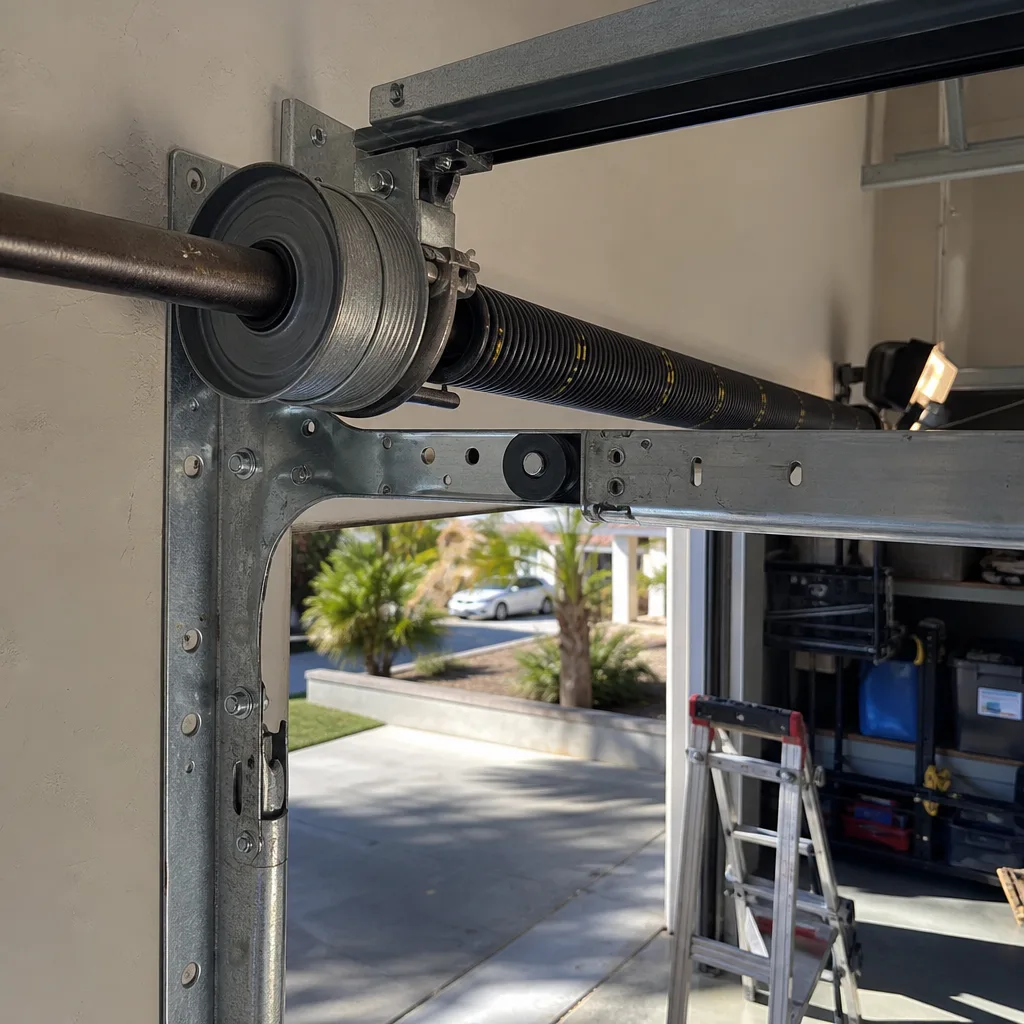
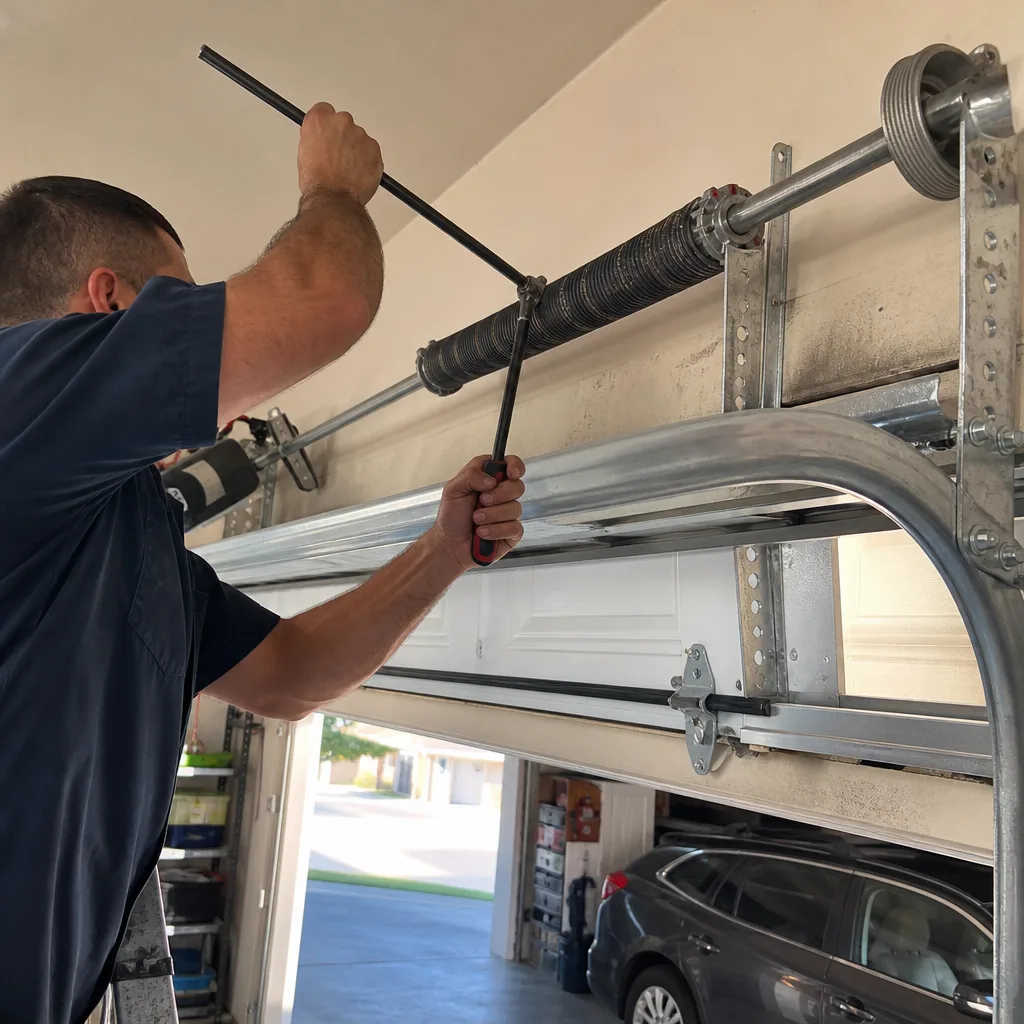
Garage doors contain high-tension springs that store enormous energy. Torsion springs on a typical two-car door carry enough force to cause serious injury if they release unexpectedly. Never attempt spring replacement or cable repair as a DIY project. Beyond the safety line, call a professional when you notice uneven movement, grinding or squealing that persists after lubrication, sagging when the door is partially open, or gaps in the weather seal that let light through. These symptoms indicate wear that will only accelerate. Blue Ribbon Garage Door Repair offers free estimates in Riverside for Garage Door Repair in Riverside, Garage Door Opener Repair in Riverside, and Garage Door Installation in Riverside. Call (877) 283-1083 and we’ll assess the door itself, not just sell you a replacement.
Frequently Asked Questions
For most Riverside homes, Clopay, Amarr, and Wayne Dalton are the strongest choices when you select a model with at least R-12 insulation and 25 gauge steel or thicker. The right product tier within any of these brands will outperform an entry-level model from a more expensive brand. Local parts availability and contractor familiarity make these three brands the practical winners in the Inland Empire. For detailed repair guidance, check out The Complete Garage Door Repair Guide for Riverside Homeowners, then call (877) 283-1083 and we can walk you through what we’d recommend for your specific garage orientation and budget, with no obligation.
A new garage door in Riverside typically ranges from $800 to $4,000+ installed, depending on size, insulation level, steel gauge, and design. A basic non-insulated single door costs less; a 16-foot double door with R-12 polyurethane insulation, 24 gauge steel, and a decorative finish will land at the higher end. The price is quoted and agreed upon before any work starts, so there are no surprises on the invoice. For an exact quote on your specific door, call (877) 283-1083 for a free estimate.
No. Garage door brands like Clopay, Amarr, and Wayne Dalton all work with opener brands like LiftMaster, Chamberlain, and Genie. The door and opener are separate systems connected by a bracket. The real consideration is whether the contractor servicing your home knows both systems well enough to handle them together. We work across all these brands daily, so one visit covers the entire setup.
If your garage is attached to the home, or if it faces south or west, yes. R-12 is the practical minimum to keep interior garage temperatures manageable during Riverside summers. A non-insulated door on a west-facing garage routinely pushes interior temperatures above 110°F in the afternoon, and that heat bleeds into adjacent rooms. Detached garages with no living space above them can get by with less insulation.
A properly installed, mid-tier garage door with R-12 or better insulation typically lasts 15 to 20 years in Riverside’s Climate Zone 10. Sun exposure on south and west-facing doors accelerates finish fade and seal degradation, but the structural panels hold up well if the steel is 25 gauge or thicker. Regular maintenance, especially on springs and rollers, extends that lifespan meaningfully.
We service all eight major brands: LiftMaster, Chamberlain, Genie, Clopay, Amarr, Wayne Dalton, Craftsman, and Raynor. That brand coverage means we diagnose based on what your specific door actually needs, not on which brand we’re incentivized to push. If we tell you a repair is the right call, it’s because the door has life left in it. Call (877) 283-1083 and we’ll give you an honest assessment and a free estimate.
The Bottom Line
Choosing a garage door brand in Riverside comes down to heat tolerance, local parts access, and contractor familiarity. Buy a door with at least R-12 insulation if your garage is attached or sun-exposed. Choose steel 25 gauge or thicker for a south or west-facing door. Pick a brand with Inland Empire parts warehousing, which in practice means Clopay, Amarr, or Wayne Dalton. And hire a contractor who works on that brand every week, not someone who sees it twice a year. At Blue Ribbon Garage Door Repair, we hold every job to a Blue Ribbon standard, which means the right fix, not the easy fix. From the opener motor to the bottom seal, garage doors are all we do. Visit our Blue Ribbon Garage Door Repair home page to see our full range of services in Riverside.
Written by the team at Blue Ribbon Garage Door Repair, serving Riverside since 2013. Browse more guides & resources.
See the difference
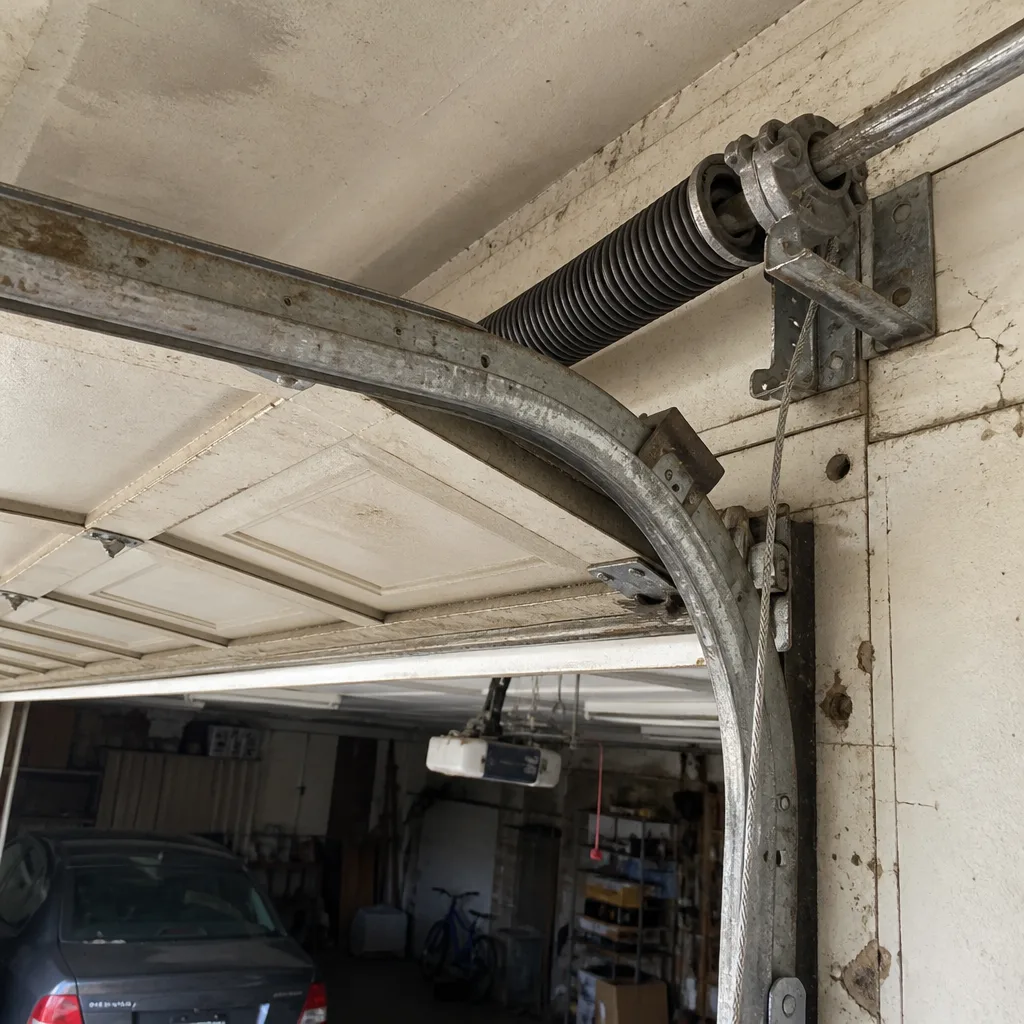 Before
 After
 Before
 After
 Before
 After