
Last updated October 30, 2026
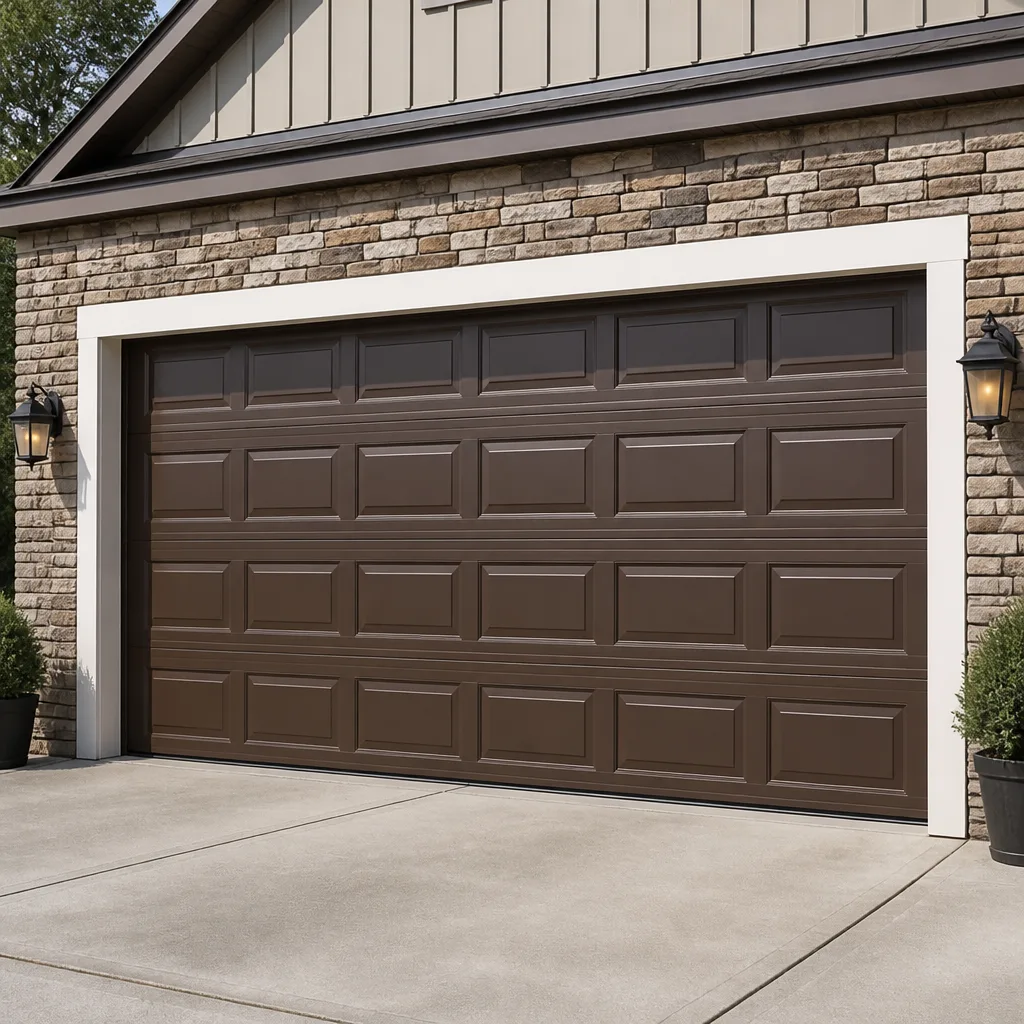 Raised-panel steel
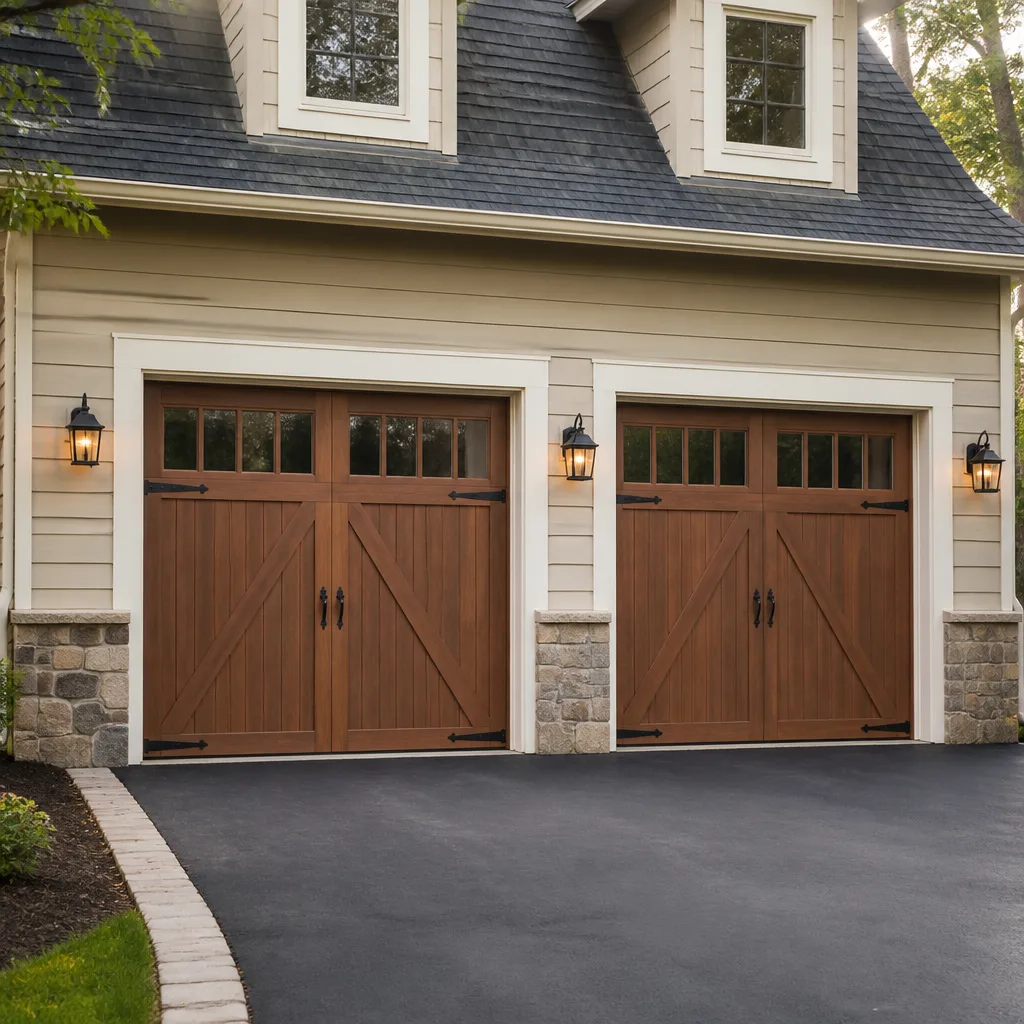 Carriage house
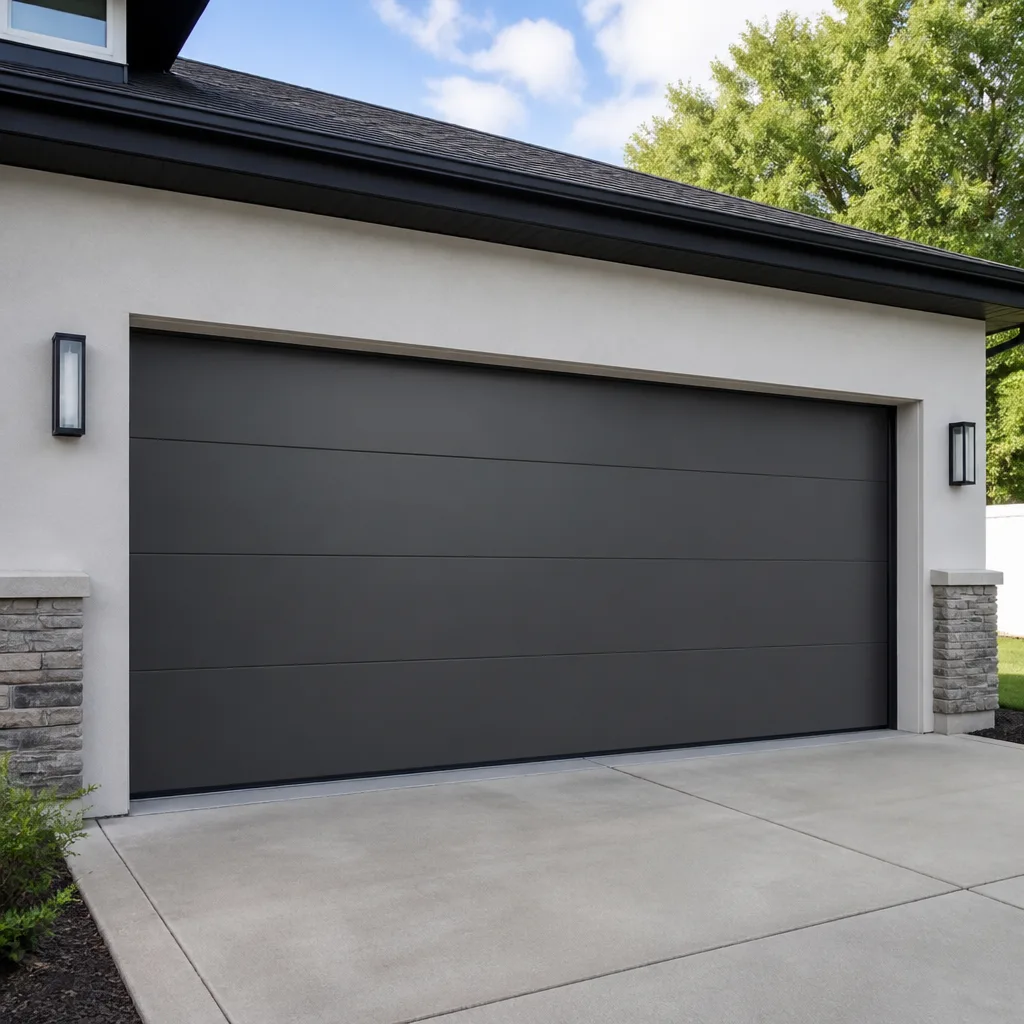 Modern flush
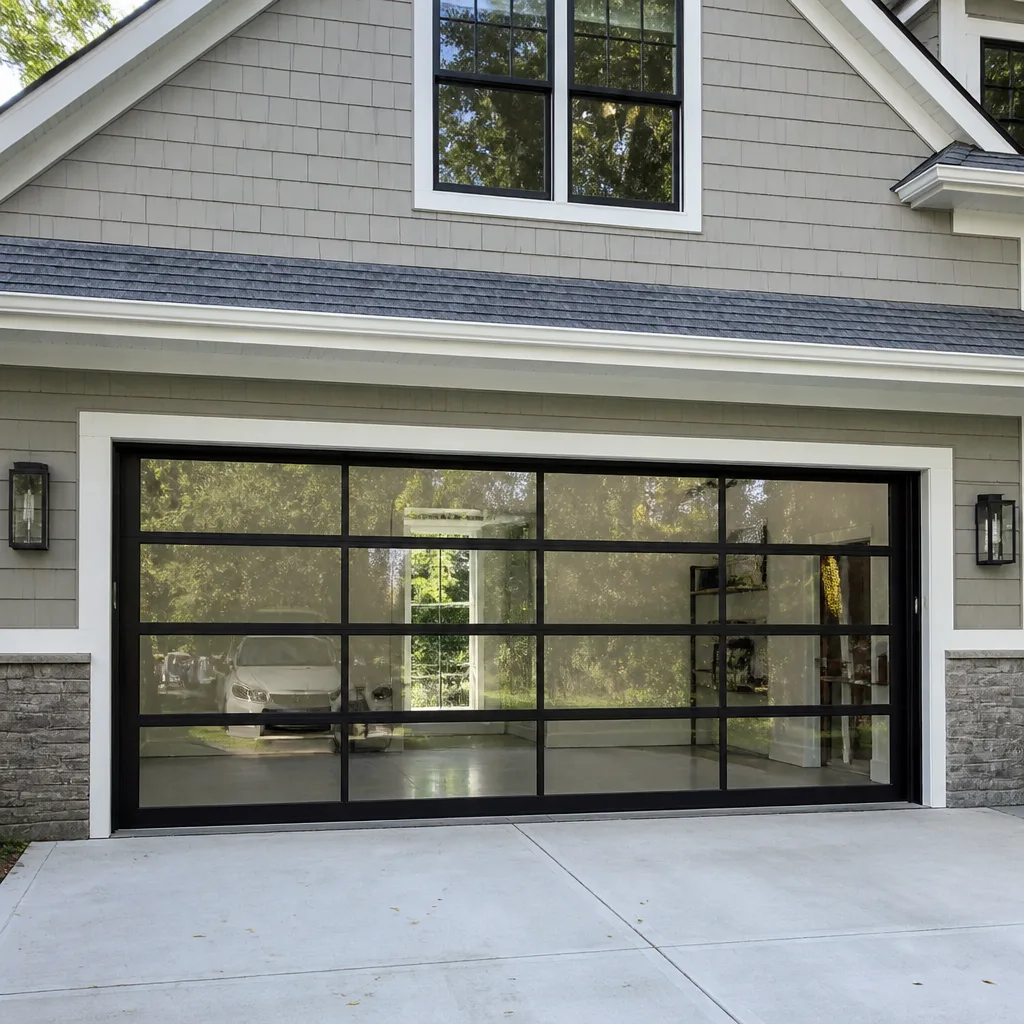 Full-view glass
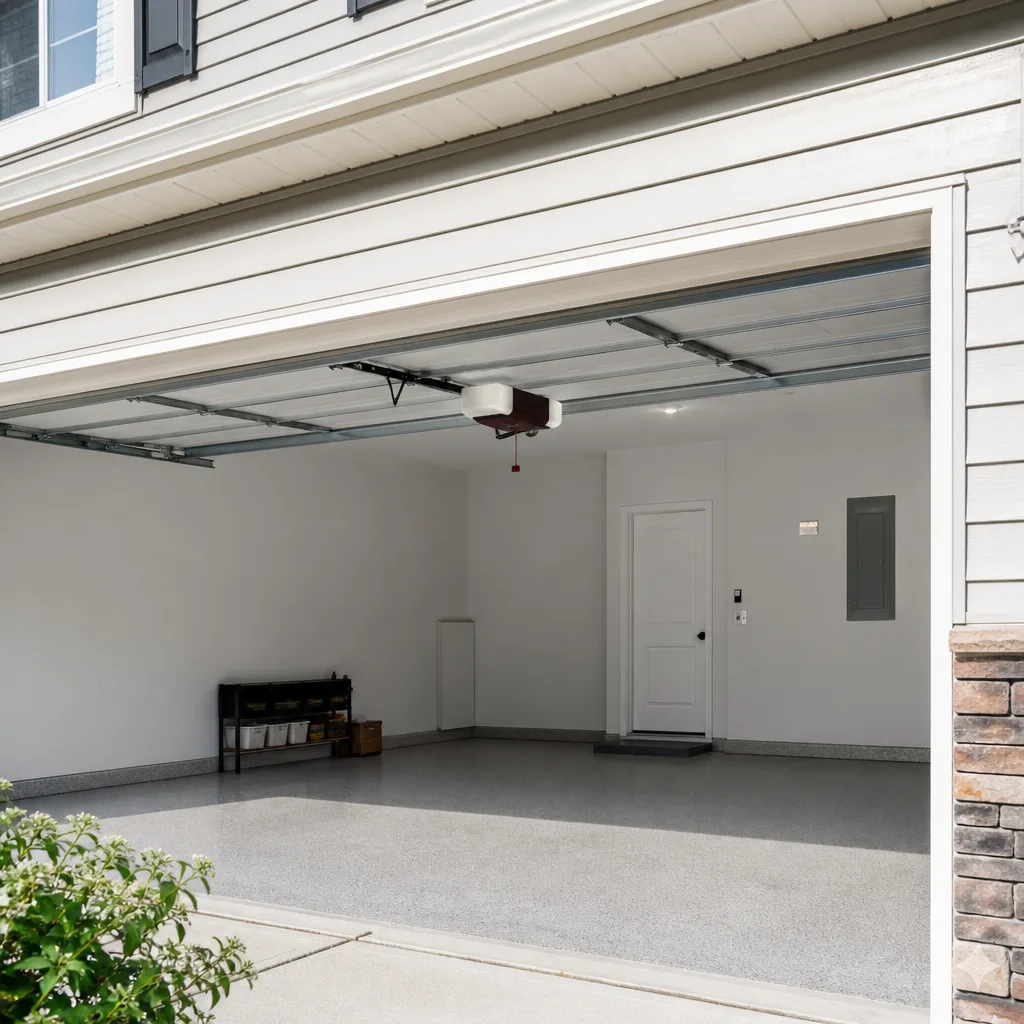 LiftMaster openers
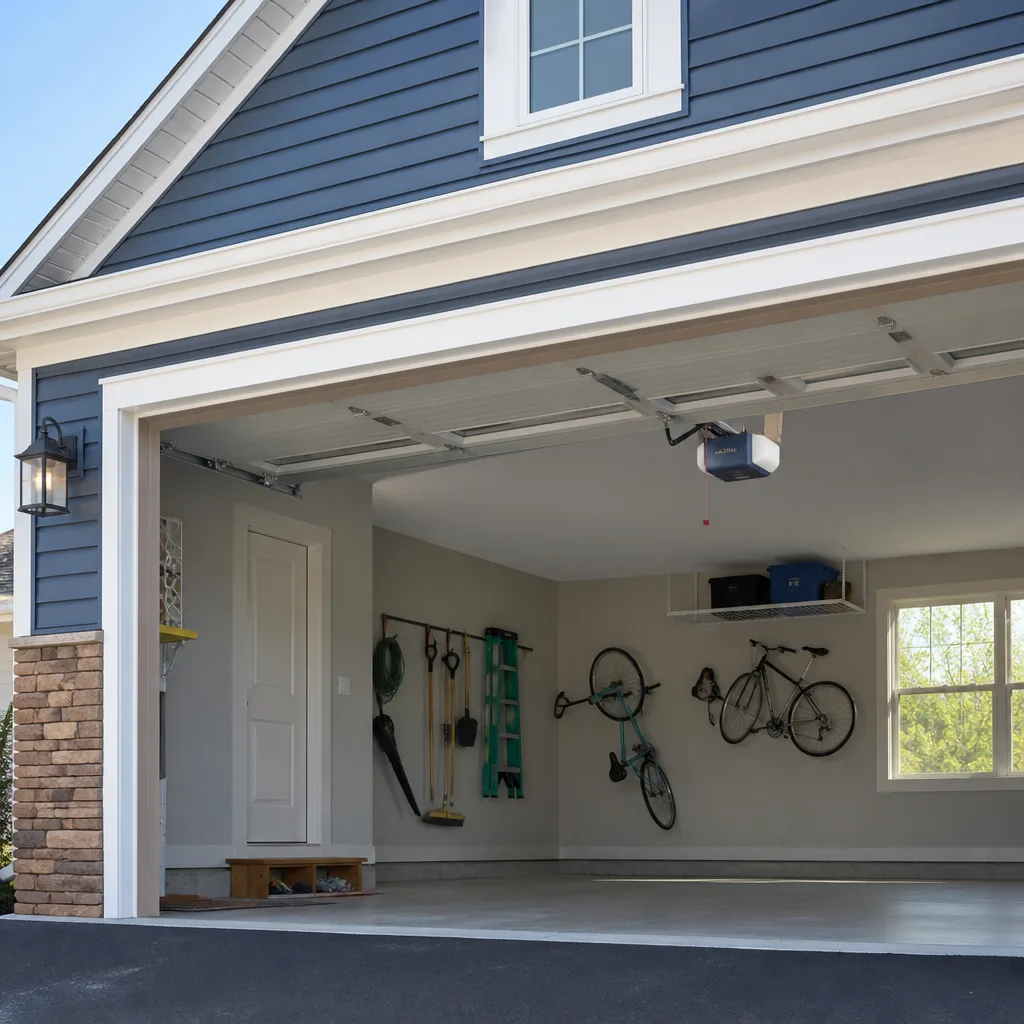 Chamberlain openers
Full 25-point door and opener safety check with every visit - springs, cables, rollers, tracks, and your LiftMaster or Chamberlain opener included
You get a price before we start. It does not change when the truck arrives.
Get your free estimateGarage Door Emergency Preparedness Guide for Riverside Homes
Here’s something most Riverside homeowners don’t think about until it’s too late: your garage door is the largest moving object in your home, and it’s also the one most likely to fail exactly when you need it most. During the 2019 Saddleridge Fire evacuations near the Inland Empire, authorities documented residents losing critical minutes trying to manually disengage openers they’d never operated by hand. That’s a 30-second procedure. In a smoke-filled garage with adrenaline pumping, it becomes nearly impossible to learn for the first time. This guide covers what you need to know before the next earthquake, wildfire evacuation, or extended power outage hits Riverside, so you’re not figuring it out when seconds count. For more guides & resources, visit our blog.
Styles & brands we work with
Quick Answer
Garage door emergency preparedness in Riverside means three things: knowing how to manually disengage your opener by hand, confirming your door’s balance and seismic functionality before an event, and having a plan for securing your home when power is out or evacuation orders arrive. The most common failure point is the emergency release cord, which most homeowners have never actually pulled. Spend ten minutes learning the manual release procedure for your specific opener brand, test your door’s balance twice a year, and keep a battery backup or generator plan for extended outages. That’s the foundation of being ready.
Table of Contents
- Riverside’s Emergency Risk Profile: Why Your Garage Door Matters
- Step-by-Step Manual Release: Five Opener Types Common in Riverside Homes
- Earthquake Disconnect: California’s Seismic Sensor Requirement
- Battery Backup Openers: What They Actually Power and Who Needs One
- Securing Your Garage Door After Manual Release: Wildfire Evacuation Protocol
- Post-Earthquake Garage Door Inspection: What to Check Before Running the Opener
- Reopening Your Garage Door After an Extended Power Outage
- Common Mistakes to Avoid
- When to Call a Professional
- Frequently Asked Questions
- The Bottom Line
Riverside’s Emergency Risk Profile: Why Your Garage Door Matters
Riverside sits in a unique position when it comes to residential emergency risk. The city is roughly 30 miles from the San Andreas Fault, close enough that significant shaking is a realistic possibility in any given decade. The San Jacinto Fault Zone runs even closer, and seismic activity there has produced measurable movement in Riverside within living memory. Add to that the wildfire evacuation zones that extend through the foothills and canyon areas around Box Springs Mountain and Sycamore Canyon, plus the Santa Ana wind events that accelerate fire spread each fall, and you get a clear picture: Riverside homeowners face multiple scenarios where garage door function becomes mission-critical.
What makes the garage door different from any other door in your home is simple mechanics. A standard double garage door weighs between 130 and 250 pounds depending on material and insulation. When that weight is balanced correctly, the torsion spring system makes it feel light and manageable. When something goes wrong with the balance or the opener, that weight becomes a real hazard. In an emergency where you’re trying to get a car out of the garage or secure the home before evacuating, that weight matters.
We’ve seen the consequences of neglected garage doors in Riverside homes across every neighborhood from Arlington Heights to Mission Grove. The pattern is consistent: homeowners don’t think about their garage door until they need it, and when they need it, they discover the release cord is tangled, the handle is broken, or the door has been out of balance for years without anyone noticing. The good news is that nearly all of these issues are discoverable and fixable in advance. The bad news is that almost nobody checks. Our Garage Door Repair Maintenance Checklist for Riverside Homeowners can help you stay on top of it.
The intent of this guide isn’t to make you anxious about the risks Riverside faces. It’s to give you the specific, practical knowledge you need to make sure your garage door works when the situation demands it. Some of this involves learning to operate your existing equipment correctly. Some of it involves inspection and maintenance. And some of it involves knowing when to call a specialist. If you want a deeper look at the maintenance side, our Garage Door Repair in Riverside page covers the full scope of what we inspect and service.
Step-by-Step Manual Release: Five Opener Types Common in Riverside Homes
The single most important emergency skill for any Riverside homeowner is knowing how to pull the manual release on your specific garage door opener. This is the red cord hanging from the opener rail, and it disengages the door from the motorized trolley so you can lift the door by hand. Every opener has one. But here’s what most people don’t realize: the release mechanism differs slightly by brand, and the feel of pulling it correctly is not self-evident the first time.
In our experience working on garage doors throughout Riverside, we regularly encounter three brands at residential properties: LiftMaster, Chamberlain, and Genie. Each has a slightly different release mechanism, and knowing which one you have matters. Here’s the step-by-step process for each.
LiftMaster (and Craftsman models made by LiftMaster)
LiftMaster openers use a T-shaped pull handle on a red cord that hangs approximately 18 to 24 inches below the opener rail. The release mechanism is a spring-loaded lever located directly on the trolley assembly. To disengage it, pull the cord straight down with a firm, deliberate motion. You’ll hear a distinct click, and the trolley will separate from the carriage. One common issue on older LiftMaster units in Riverside homes is a stiff release lever that requires significantly more force than expected. If you’ve never pulled yours before, test it now while you’re not under pressure. Pulling straight down is critical; pulling at an angle can bend the release lever and make the mechanism stick.
Chamberlain
Chamberlain openers are mechanically similar to LiftMaster because both brands are manufactured by the same parent company. The release cord on Chamberlain units is also red with a T-handle, and the disengagement motion is identical: pull straight down firmly. The practical difference is that Chamberlain openers sold through retail channels often use a simpler release mechanism with a shorter pull travel. If you have a Chamberlain and the cord feels like it’s not releasing even after a firm pull, check whether the door is in the fully closed position. Chamberlain openers generally won’t disengage smoothly if the door is partially open because the trolley is under load.
Genie
Genie openers use a different release design that surprises people. Instead of a straight pull cord, Genie units often have a horizontal release handle or a shorter cord positioned closer to the motor unit. On modern Genie models with the IntelliCode system, the release is typically a flat metal handle that you pull toward the garage door rather than straight down. This directional difference catches even experienced homeowners off guard. If you have a Genie opener in your Riverside home and you’ve only ever seen YouTube videos of LiftMaster releases, the motion won’t feel familiar. Test it now.
Raynor (and select aftermarket installations)
Raynor openers are less common in Riverside but we do see them, particularly in older homes or where the homeowner purchased a Raynor door with a matched opener package. Raynor release mechanisms vary significantly, and older units sometimes lack a pull cord entirely, using a release lever directly on the rail. If your Raynor opener doesn’t have a clearly visible red cord, don’t panic. Look for a release tab on the trolley itself, which you pull toward the garage interior. This is a case where knowing your specific unit matters, and if you’re not sure, it’s worth having a professional show you exactly where the release is and how it operates.
The Universal Rule for All Brands
Regardless of brand, the manual release procedure follows the same sequence once you’ve disengaged the opener:
- Disengage the release. Pull the cord or lever firmly and feel for the click that separates the door from the trolley.
- Confirm disengagement. The door should feel noticeably heavier when you begin to lift it, but it should still lift smoothly if the springs are balanced.
- Lift using the handles or the bottom edge. Use both hands, and lift with your legs. Never use the top edge of the door as a grip point.
- Open fully until the door settles. A properly balanced door will stay in the open position. If it wants to fall back down, the springs need attention.
- Re-engage before using the opener again. Run the opener in the open or close direction until the trolley reconnects with the carriage. You’ll hear a second click.
If your door doesn’t feel heavy after disengaging, that’s actually a warning sign of a broken spring, because it means the spring isn’t counterbalancing the weight properly. A door that’s lighter than expected after release needs immediate professional attention before you attempt to use it. And a door that slams down after release is dangerously out of balance and should be left alone until a technician can inspect it.
Earthquake Disconnect: California’s Seismic Sensor Requirement
California building code has required seismic shutoff valves on garage door openers in most jurisdictions since the 1990s, but enforcement and homeowner awareness remain inconsistent. For details on local requirements, see Garage Door Permits, Codes & Inspections in CA: What You Need to Know. In Riverside, many homes predate the most stringent requirements, and even newer homes often have seismic sensors that were installed correctly and then forgotten. A seismic sensor is a device mounted on the garage door opener or rail that automatically disengages the opener when it detects ground motion consistent with an earthquake. The intent is to prevent the opener from driving a damaged door and causing more extensive damage.
Here’s the reality: seismic sensors don’t last forever, and they’re rarely tested. In our service work across Riverside, we find seismic sensors that are either non-functional, bypassed, or missing entirely in roughly one out of every five homes we visit. That’s a meaningful number when you consider that the sensor’s entire purpose is to function during an earthquake.
Testing your seismic sensor is straightforward. Most units have a test button on the sensor housing. Press it, and the opener should disengage with an audible click. If pressing the test button doesn’t disengage the opener, the sensor is either wired incorrectly or dead. Some sensors are wired into the power circuit, and if the opener loses power, the sensor may or may not retain its disengagement functionality. The safest approach is to test the sensor manually every six months, and to replace it if it’s older than ten years or fails a test.
If you’re not sure whether your Riverside home has a seismic sensor at all, look at the opener rail. You’re looking for a small box, typically two to three inches square, mounted on the opener between the motor unit and the trolley. If you don’t see one, it may have been removed during a prior repair, or your home may predate the requirement. Either way, the spring-loaded release mechanism built into the trolley serves the same emergency function when operated manually, which is why learning the manual release procedure in the previous section matters so much. If you’d like your opener and sensor evaluated, our Garage Door Opener Repair in Riverside page explains what’s involved.
Battery Backup Openers: What They Actually Power and Who Needs One
Battery backup garage door openers have become a popular upgrade in Riverside, particularly in neighborhoods that experience recurring outages during Santa Ana wind events. A battery backup unit is a separate battery pack wired to the opener that provides power to the motor when main electrical service is interrupted. What matters is understanding what these batteries actually deliver, because the marketing and the reality don’t always match.
A standard battery backup for a residential garage door opener provides approximately 20 to 30 open/close cycles before depleting, depending on the model and the weight of your door. That’s not 20 to 30 days. It’s 20 to 30 individual operations, and each operation uses a meaningful portion of battery capacity because lifting a garage door requires significant electrical current. If your door is heavier than average, or if you have a double door instead of a single, expect fewer cycles.
Who should prioritize a battery backup in Riverside? Homeowners in areas where power outages are frequent and prolonged, such as the canyon neighborhoods and higher-elevation zones where wind events regularly bring down lines. Also, anyone with a single door and no secondary exit from the garage. Older Riverside homes sometimes have detached garages or garages without a side door, meaning the garage door is the only way in or out. If that’s your setup, a battery backup is worth considering even if you’ve never had a long outage.
For everyone else, the manual release remains the most reliable fallback. The battery is a convenience that lets you operate the door normally without disengaging the opener. The manual release works regardless of battery status, as long as the springs are balanced and the door is in good working order. We generally recommend that Riverside homeowners check the age of their battery backup unit every three years, because the batteries degrade over time and many people don’t realize their backup has silently died until they need it.
Securing Your Garage Door After Manual Release: Wildfire Evacuation Protocol
Here’s a scenario specific to Riverside and the Inland Empire’s wildfire risk. An evacuation order comes in. You need to leave quickly. You pull the manual release to get your car out of the garage, because the power is already out and the opener isn’t responding. Now you’ve got a garage door that’s manually operated, and you need to secure the home before you go. How do you lock a garage door that’s been disengaged from its opener?
Most residential garage doors don’t have visible exterior locks. The opener itself normally provides the “locking” function by keeping the trolley connected to the carriage. When you pull the manual release, that locking function disappears. Anyone can walk up to your garage door and lift it from the outside, because the only thing keeping it closed is gravity and the door’s own weight. For a properly balanced door, lifting it from the outside is easy. That’s a problem when you’re evacuating.
The solution is a manual slide lock, also called a garage door bolt lock. This is a metal bar that slides through a slot in the track, physically preventing the door from being lifted. Most garage doors have the mounting holes pre-drilled for these locks, but many homes in Riverside were never fitted with them because the homeowner relied on the opener for security. Installing a slide lock is a straightforward job that takes a professional about twenty minutes, and it gives you a way to positively secure the door from the inside whenever you’ve manually released the opener.
If you’re in an evacuation situation and you don’t have a slide lock installed, a less ideal but workable temporary measure is to drill a simple mechanical lock through the track slot. However, we don’t recommend drilling holes through garage door tracks in an emergency or otherwise, because even a slightly off-center hole can cause the rollers to bind and damage the track. The better answer is to install the slide lock now, before you ever need it. If you want it done right, Garage Door Installation in Riverside includes slide lock installation as part of new door work, and we can retrofit existing doors as well.
Post-Earthquake Garage Door Inspection: What to Check Before Running the Opener
After a significant seismic event in Riverside, the instinct to check on your home is strong. But here’s where we see a lot of self-inflicted damage: homeowners run their garage door opener immediately after an earthquake without checking the door first. If the earthquake shifted the door, the tracks, or the opener rail, running the motor can turn a minor problem into a major one. Here’s the inspection sequence we recommend before you push the button.
- Check the door visually from inside the garage. Look for obvious gaps between the door panels and the side jambs. Check whether the door is sitting evenly in the opening. Any visible shift means you should not operate the opener.
- Inspect the tracks for bends or gaps. Earthquake shaking can pull the drive tracks away from their wall mounting brackets. Look for any separation between the track and the wall, or any visible bowing.
- Check the torsion spring assembly. If you see a visible gap in the spring coil or notice that the spring looks stretched or unwound in one section, the spring has failed. Do not attempt to operate the door.
- Confirm the release state. If your seismic sensor triggered, the opener is disengaged. That’s fine, but confirm it before running the motor. You don’t want an opener trying to re-engage a trolley that’s been thrown off alignment.
- Look at the opener rail. The rail that runs from the motor to the door should be straight. If it appears bowed or bent, running the opener will grind the trolley against the bend and likely damage the gear.
If all of these checks look clean, run the opener and watch the door through a full cycle. Listen for scraping, grinding, or popping sounds. Uneven movement, where one side of the door rises faster than the other, indicates a track misalignment or a roller issue. If anything looks or sounds wrong, stop and call for inspection. The compounding damage from running a misaligned door can be substantial. Garage doors are all we do, and we’d rather inspect a door and tell you it’s fine than repair a door that was damaged further by someone running it prematurely.
Reopening Your Garage Door After an Extended Power Outage
When Riverside experiences extended outages during wind events or other grid stress, the power often returns while homeowners are away from home or asleep. When you come back to a garage door that was manually released during the outage, you need to know how to re-engage it properly before using the opener again. This is also a common source of avoidable service calls in Riverside.
The re-engagement procedure depends on your opener type. For LiftMaster and Chamberlain models, run the opener motor and allow the trolley to travel toward the closed position. As it passes the carriage, it will automatically reconnect. You’ll hear the click. For Genie models with a manual release lever, you may need to manually guide the trolley back onto the carriage, then pull the lever again to lock it in place. For Raynor and older units, consult the specific instructions for your model, because some require manual re-seating before the motor is run.
A common mistake after an outage is running the opener in the wrong direction and forcing the trolley past the carriage, which can bend the release mechanism. Before re-engaging, confirm the door’s position. The re-engagement works most cleanly when the door is fully closed, because the carriage and trolley align naturally in that position. If the door is partially open, the alignment is off by as much as an inch, and forcing the connection can damage the release lever.
If re-engagement doesn’t happen cleanly on the first attempt, stop and check the release mechanism. On some units, the release lever or cord has been pulled at an angle and is now stuck in a half-engaged state. You can usually free it by gently pushing the lever back toward the motor and then pulling it again. But if you’re unsure, or if anything is bent, a quick call to a specialist will save you the cost and frustration of breaking the mechanism entirely. That kind of repair happens more often than it should, and it’s almost always preventable.
Common Mistakes to Avoid
- Never actually testing the manual release before an emergency. We hear some version of “I know where the red cord is” from Riverside homeowners all the time. Knowing where it is and having actually pulled it are different things. Test it now, while you’re calm and not under pressure.
- Assuming a battery backup lasts days. A battery backup gives you 20 to 30 cycles at most. Plan around that number, not around the idea that it’ll run your door all week during a prolonged outage.
- Running the opener immediately after an earthquake. Always do a visual inspection before running the motor. The five-point check in the previous section takes two minutes and can save you from a much bigger repair bill.
- Using the emergency release as a normal open/close method. The release cord is for emergencies and maintenance, not daily use. Repeated manual operation without re-engaging the opener wears down the release mechanism and confuses the opener’s travel limits.
- Ignoring a door that slams or drops after manual release. If you pull the release and the door falls to the ground instead of staying in place, the springs have failed. This is a safety-critical issue, not a minor inconvenience. Do not try to fix it yourself.
- Forgetting to install an interior slide lock. The biggest security gap in Riverside garages is the lack of a manual slide lock. You won’t think about it until you’ve manually released the door and realize you have no way to secure it.
- Assuming all openers release the same way. Genie release levers pull differently than LiftMaster cords. Raynor units sometimes have no cord at all. Know your specific unit, or have someone show you.
When to Call a Professional
There are situations where the right move is not to touch the door at all. If you notice a broken torsion spring, leave the door alone. The stored energy in a garage door spring is genuinely dangerous, and attempting a replacement without proper training and tools is how serious injuries happen. If your door won’t stay open when manually released, or if it slams shut, that’s also a spring or balance issue that needs professional attention. If your opener’s release mechanism is bent, stuck, or not re-engaging cleanly, forcing it will likely make the problem worse. And if you’ve experienced a seismic event and notice any track separation, panel shift, or unusual noise during operation, stop using the door and get a professional inspection. Blue Ribbon Garage Door Repair offers free estimates in Riverside. Call (877) 283-1083 and we’ll tell you exactly what’s going on, and the price is quoted and agreed before any work starts.
Frequently Asked Questions
Pull the red emergency release cord hanging from your opener rail straight down until you hear a click, then lift the door by hand using the bottom edge or handles. The release disengages the door from the motorized trolley, allowing manual operation. Test this procedure now while power is on, because learning it during an actual outage is much harder. If you’re not sure where your release cord is or how it operates on your specific opener, we can show you during a routine service call.
A standard garage door opener will not operate during a power outage unless it has a battery backup unit installed. With a battery backup, you can expect roughly 20 to 30 open/close cycles before the battery depletes. For Riverside homeowners without a battery backup, the manual release procedure is the reliable fallback.
Adding a seismic sensor to an existing opener typically costs between $75 and $150 for the part and installation, depending on your opener model and wiring configuration. The sensor automatically disengages the opener during ground movement, preventing it from driving a damaged door. Call us at (877) 283-1083 for an exact quote for your specific setup.
Yes, but only if your door has a slide lock installed. The slide lock is a metal bar that fits through a slot in the track, physically preventing the door from being lifted from outside. Most garage doors have pre-drilled mounting holes for slide locks, but many Riverside homes never had them installed. This is the single most important security upgrade for wildfire evacuation scenarios, and it’s an inexpensive retrofit.
Check for visual gaps between the door panels and jambs, inspect the tracks for bends or wall separation, look at the torsion spring for visible gaps or unwinding, confirm whether the seismic sensor triggered, and check the opener rail for bending. If all five areas look clean, run the opener and watch a full cycle for any unusual sounds or uneven movement. If anything looks wrong, stop and call for inspection before running the motor again.
We do. Blue Ribbon Garage Door Repair installs slide locks, seismic sensors, and battery backup units on all major opener brands including LiftMaster, Chamberlain, Genie, Craftsman, and Raynor. Garage doors are all we do, which means we know the specific installation requirements for each brand rather than treating them all the same. Call (877) 283-1083 to schedule an installation or get a free estimate.
The Bottom Line
Your garage door is infrastructure, not an appliance. In Riverside, where earthquake risk, wildfire evacuations, and extended power outages are all realistic scenarios, the difference between being prepared and being caught off guard comes down to a few simple things: know your manual release, test your seismic sensor, consider a battery backup if your outage risk is high, install an interior slide lock for evacuation security, and do a five-point visual inspection before running the opener after any significant seismic event. Most of this takes less than an hour to learn and check. If you’d rather have a professional walk through it with you, we’re glad to. The right preparation now means that when the next power outage or evacuation order comes, your garage door does what it’s supposed to do.
Written by the team at Blue Ribbon Garage Door Repair, serving Riverside since 2013.
See the difference
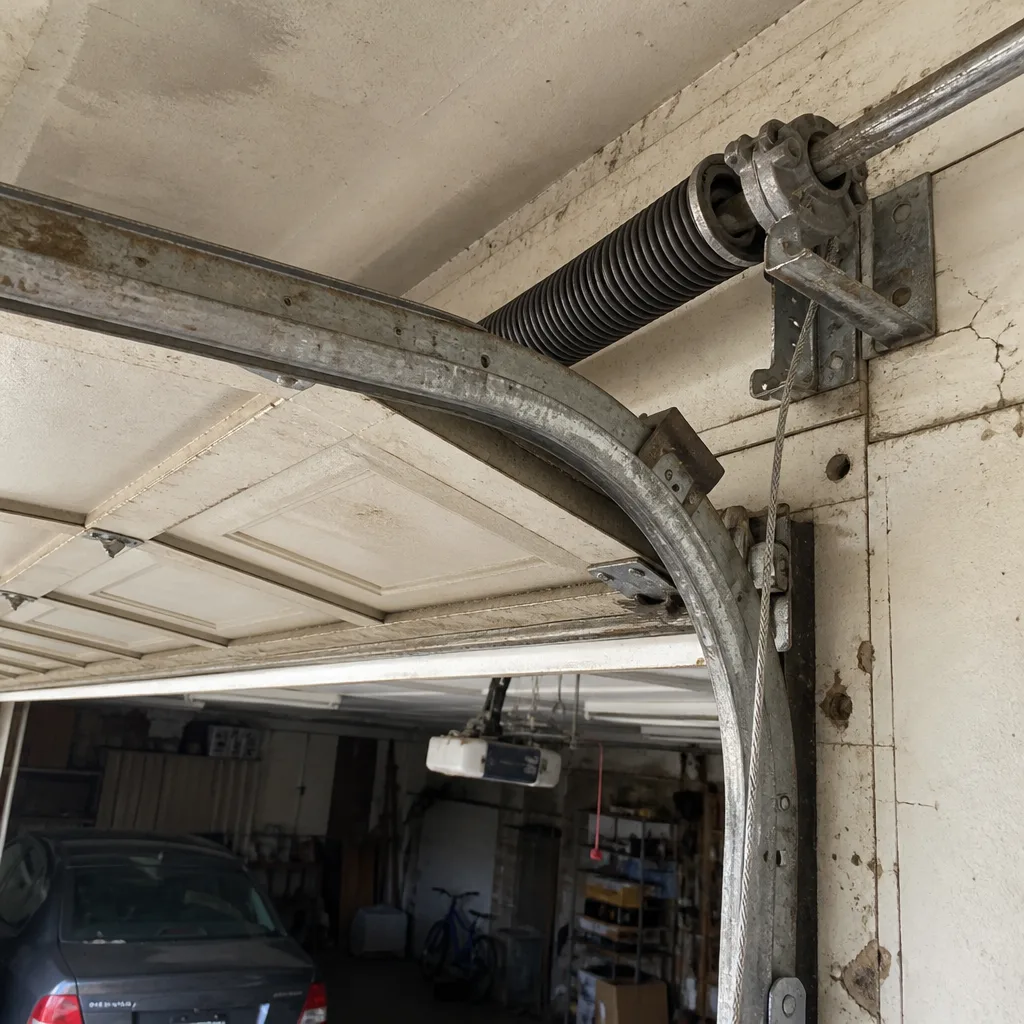 Before
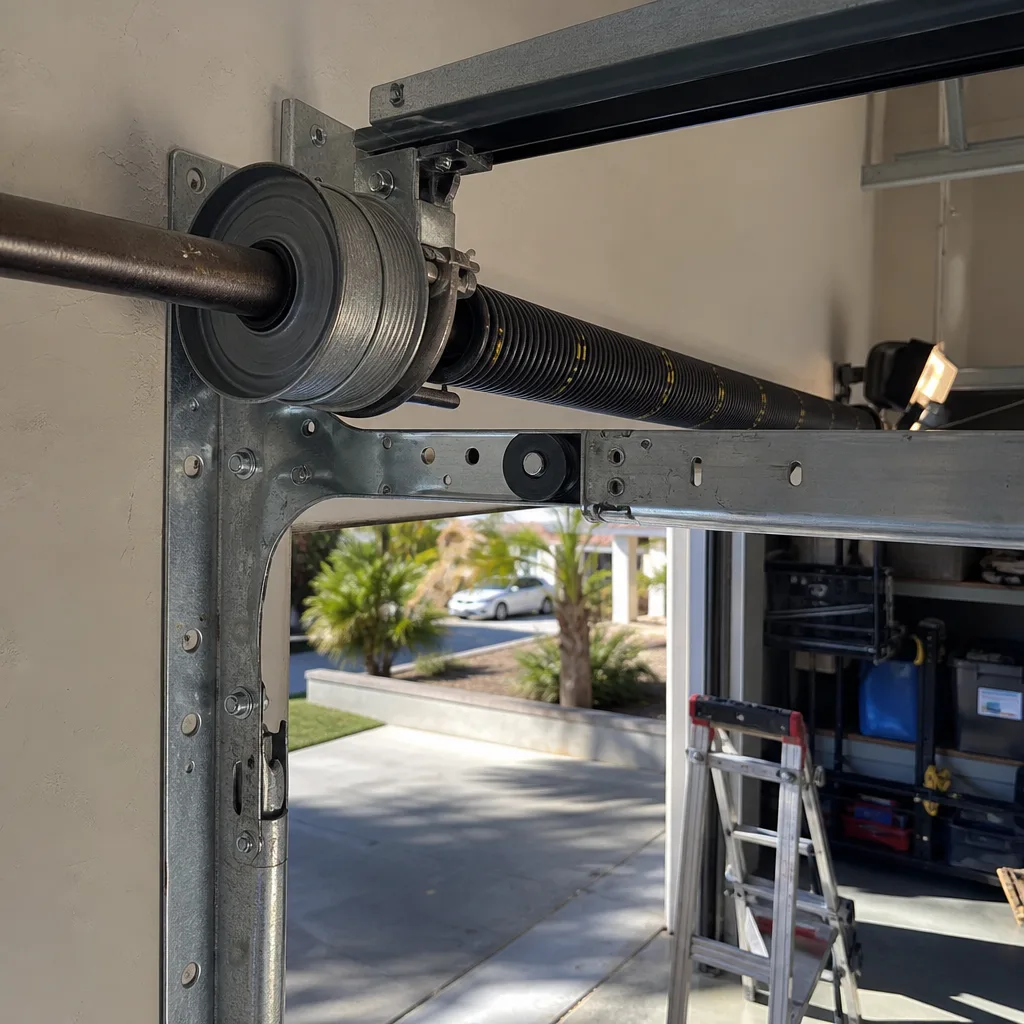 After
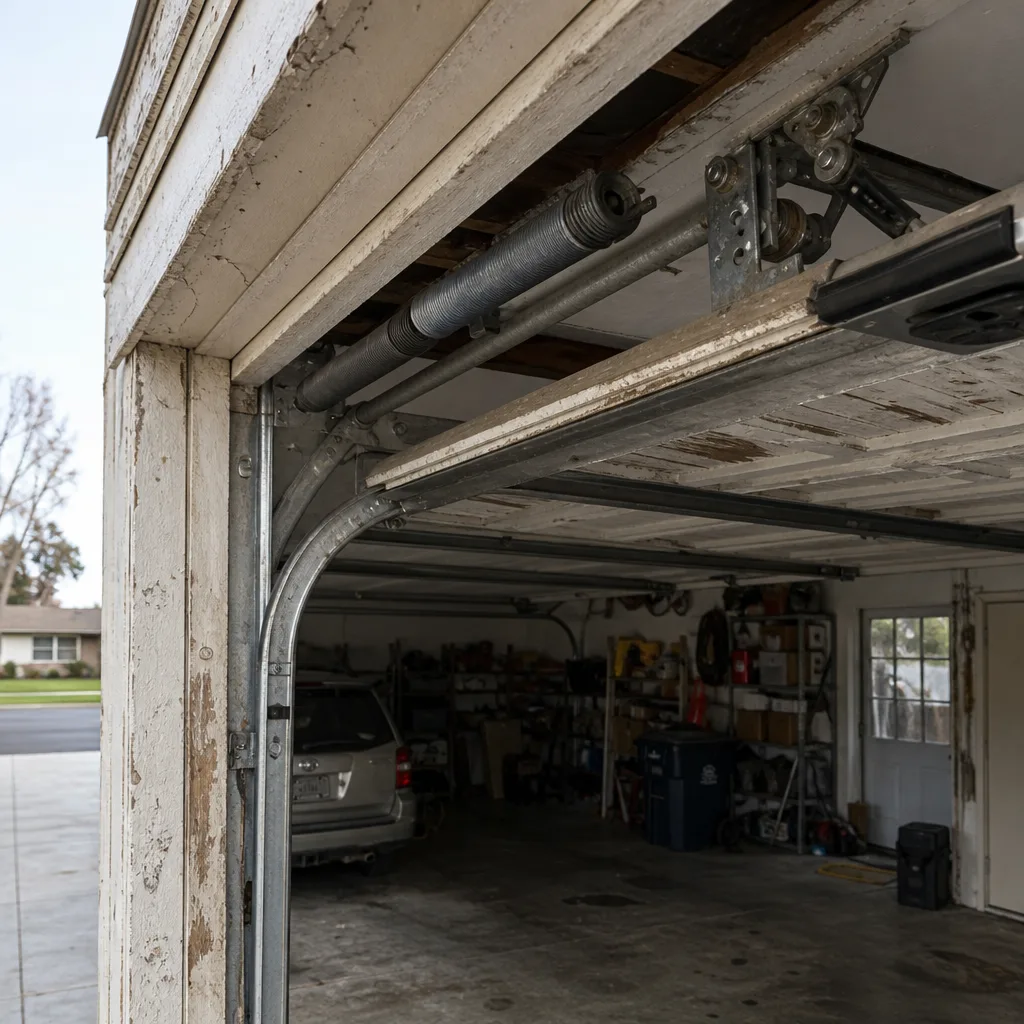 Before
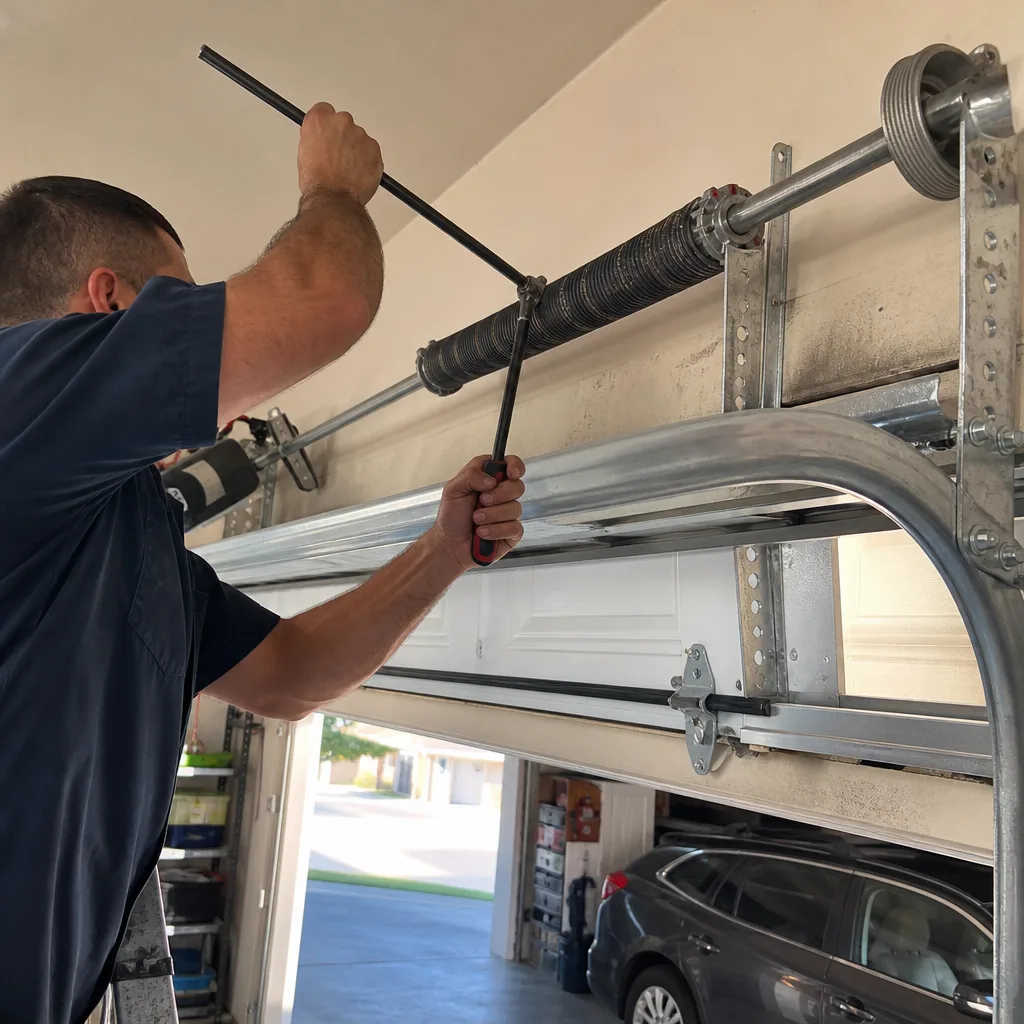 After
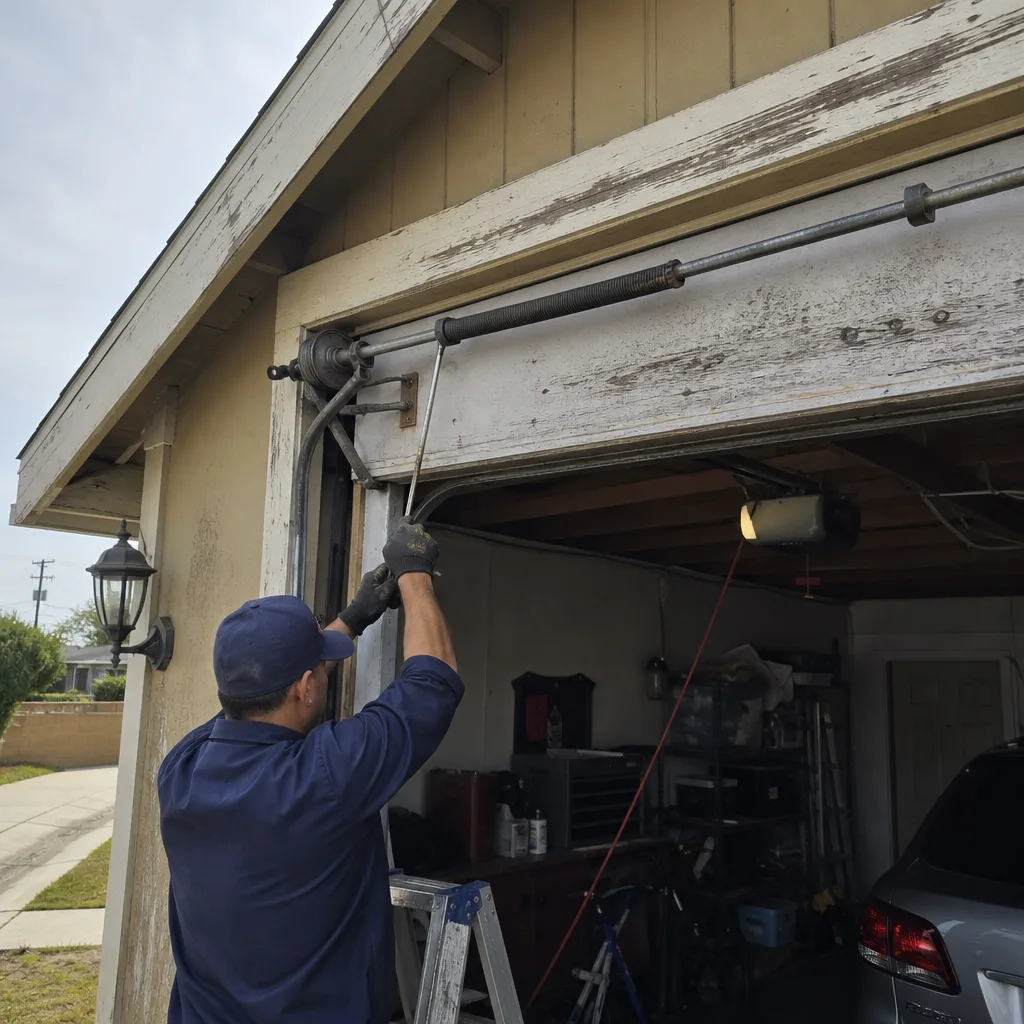 Before
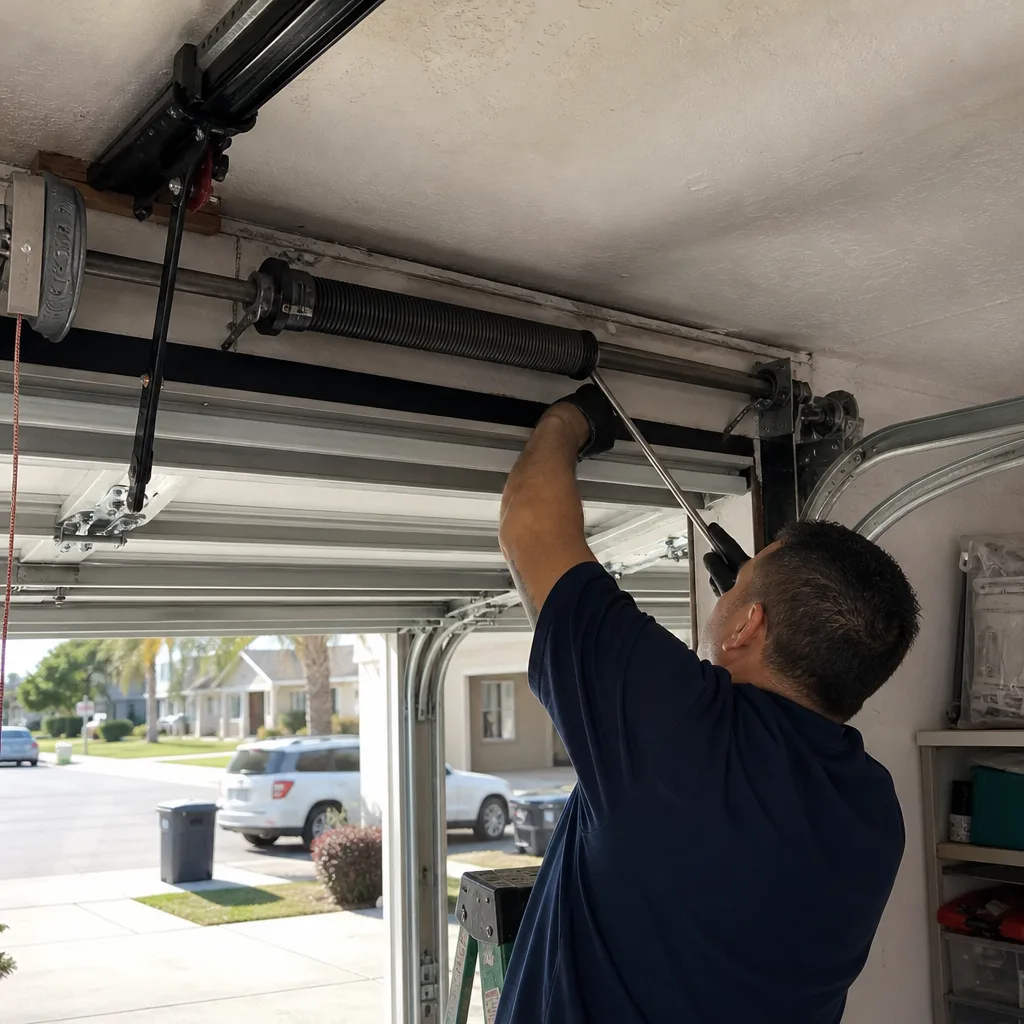 After