
Last updated October 30, 2026
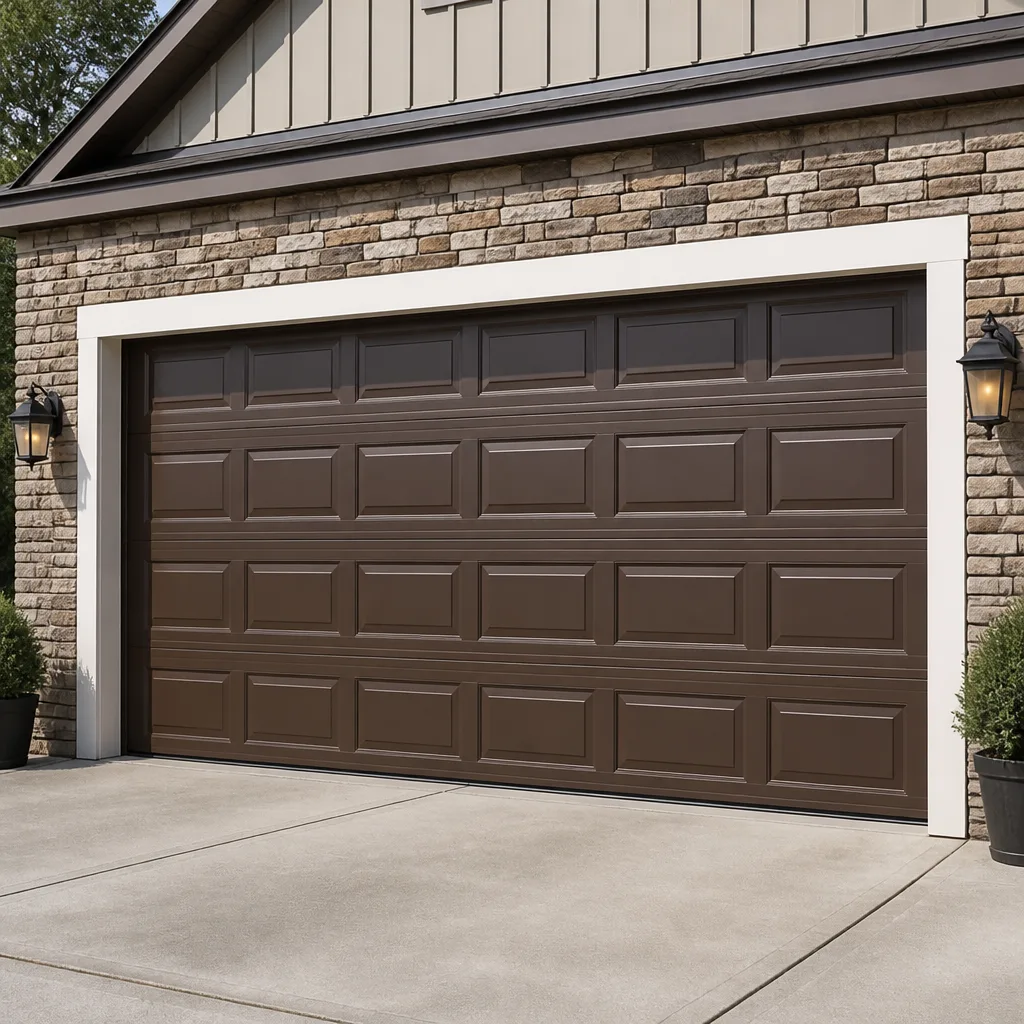 Raised-panel steel
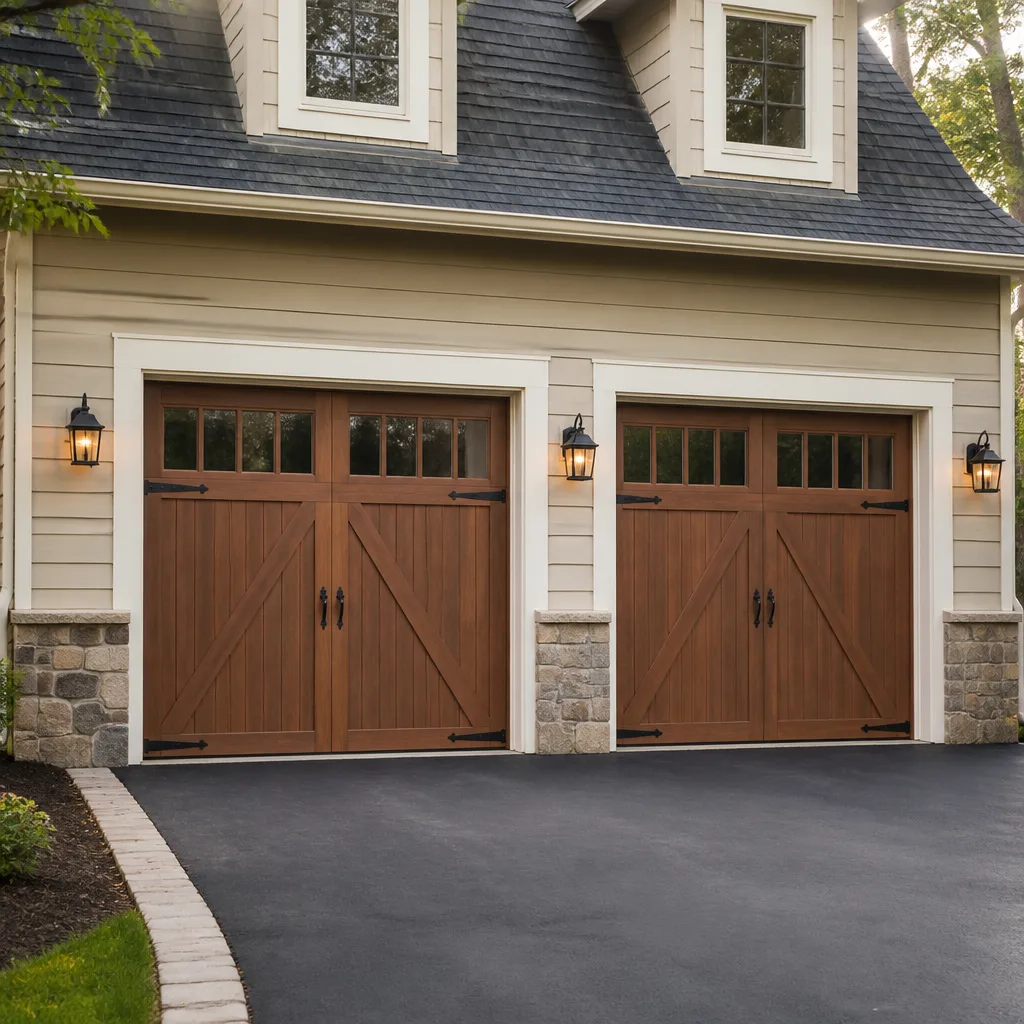 Carriage house
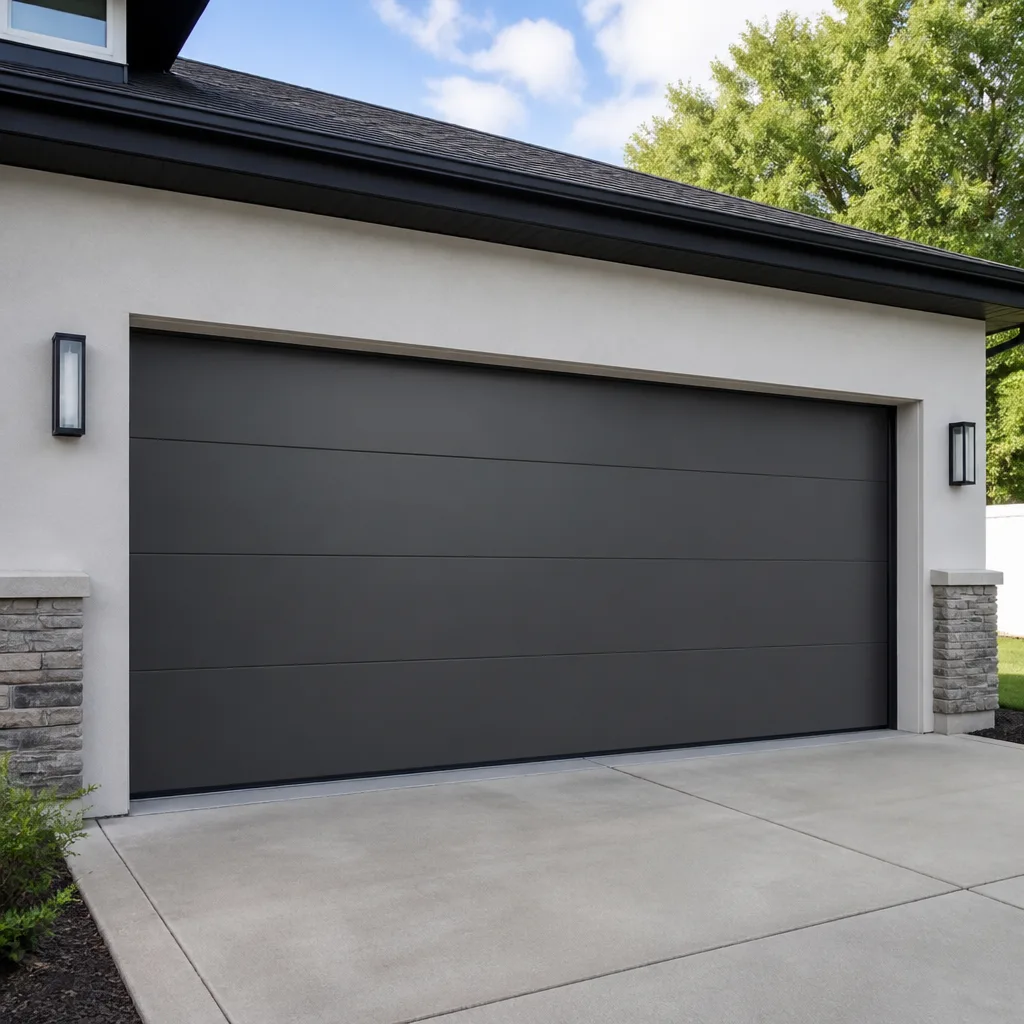 Modern flush
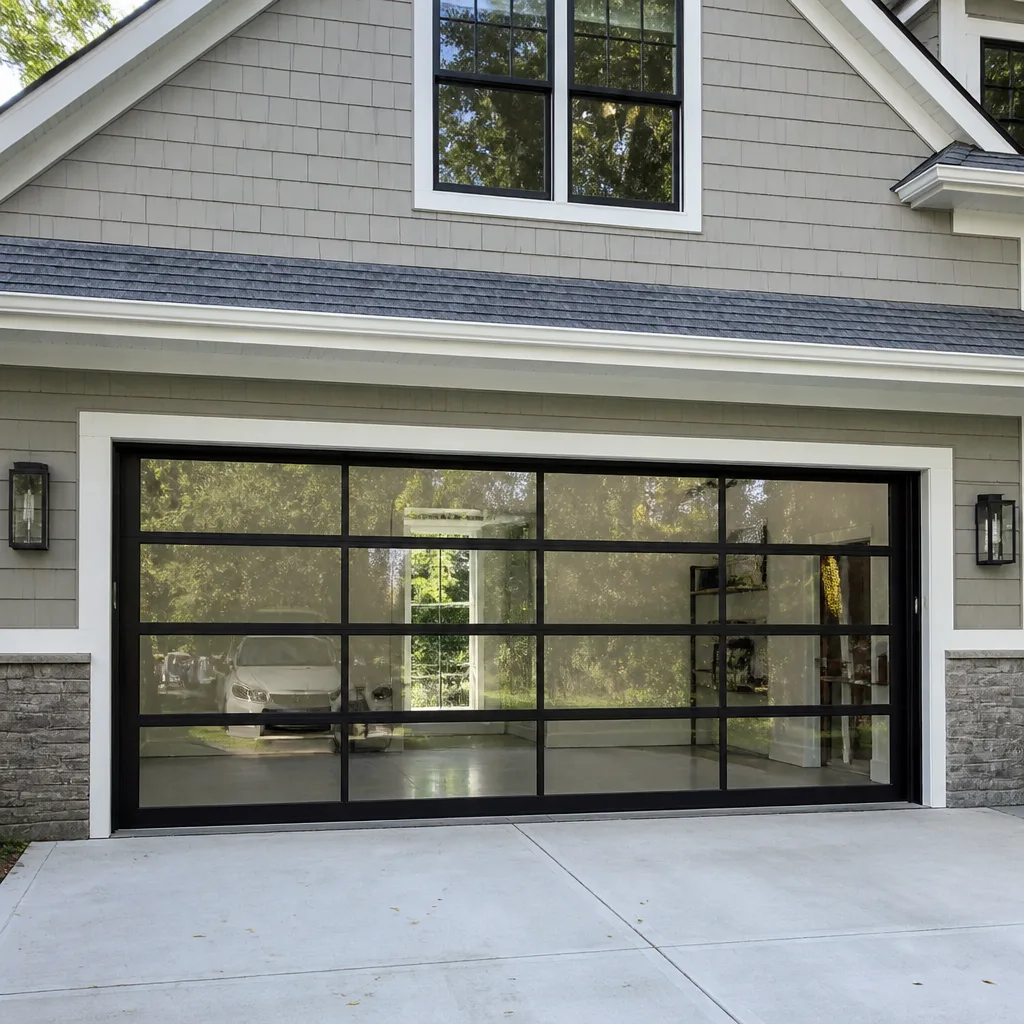 Full-view glass
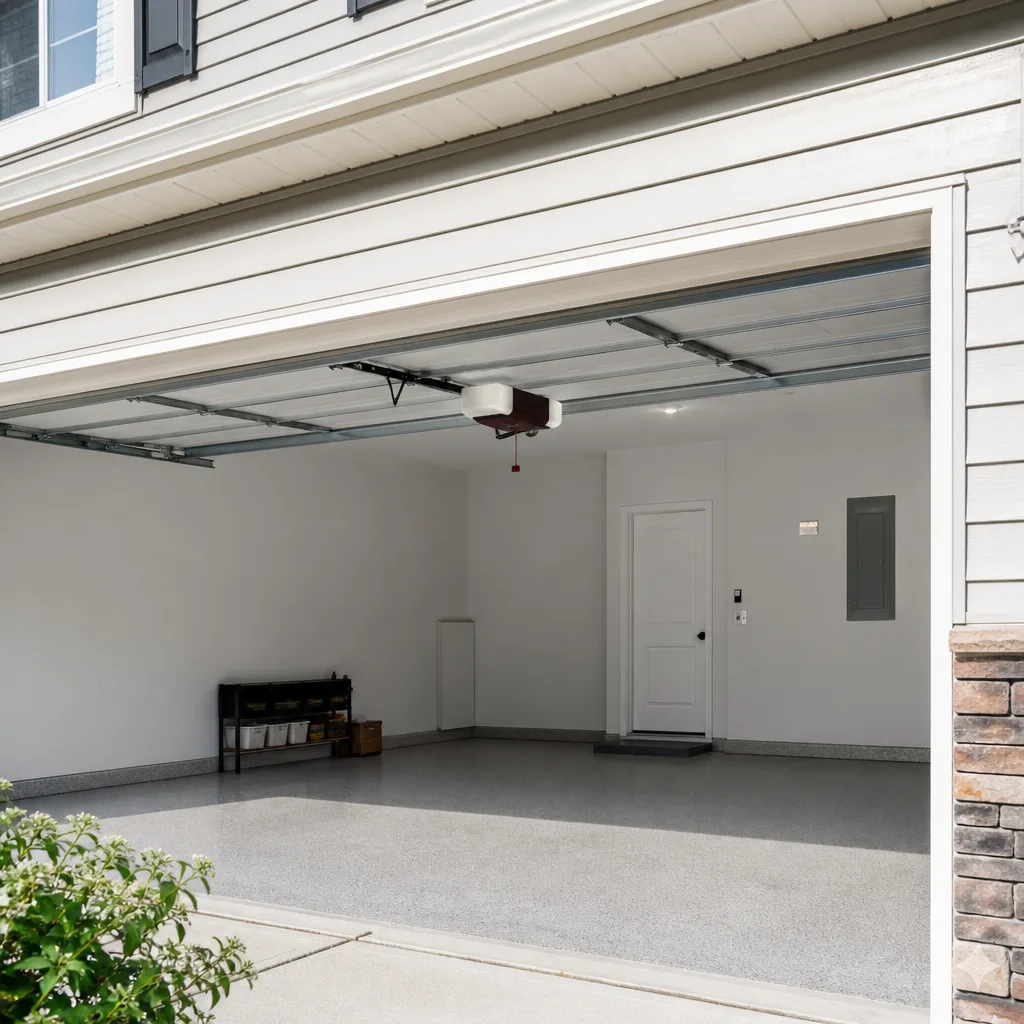 LiftMaster openers
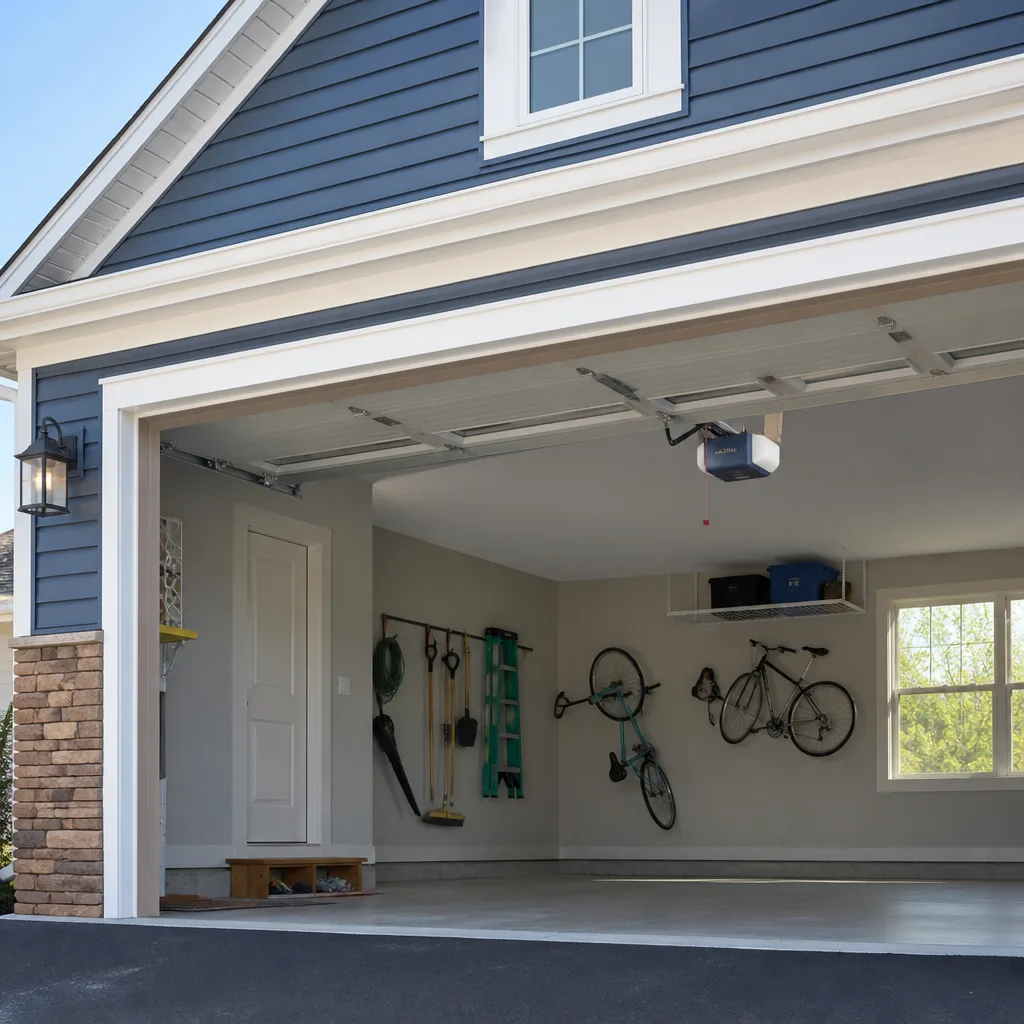 Chamberlain openers
Full 25-point door and opener safety check with every visit - springs, cables, rollers, tracks, and your LiftMaster or Chamberlain opener included
You get a price before we start. It does not change when the truck arrives.
Get your free estimateThe Complete Guide to Garage Door in Riverside
A garage door in Riverside, CA endures something most doors never face: summer days that crack 100°F and winter nights that dip near freezing. That temperature swing of 60 to 70 degrees in a single day does things to steel, rubber, and tensioned springs that national buying guides simply ignore. This guide is written from the perspective of technicians who live and work in the Inland Empire, we will walk you through how Riverside’s specific conditions change what you should buy, how you should maintain it, and when a repair actually saves you money versus a replacement.
Styles & brands we work with
Quick Answer
A garage door in Riverside should be selected for extreme heat tolerance, meaning insulated steel with a high-cycle torsion spring system is almost always the right call over wood composite or thin aluminum, as detailed in our DIY vs Professional Garage Door: The Riverside Homeowner’s Decision Guide. Most Riverside homes need a door rated for 10,000 cycles minimum, with nylon rollers and a belt-drive opener to handle dust and temperature swings. HOA restrictions in neighborhoods like Orangecrest often dictate style and color before you even pick a model, so check your CC&Rs first.
Table of Contents
- Why Riverside’s Climate Changes Everything
- Material Selection: Steel vs. Aluminum vs. Wood Composite
- HOA Restrictions in Riverside Neighborhoods
- Stucco-Framed vs. Wood-Framed Garage Header Brackets
- Choosing an Opener That Lasts in Inland Empire Dust and Heat
- When a Riverside Replacement Triggers a City Permit
- A Maintenance Schedule Built for Riverside Conditions
- Common Mistakes to Avoid
- When to Call a Professional
- Frequently Asked Questions
- The Bottom Line
Why Riverside’s Climate Changes Everything
Riverside recorded 106°F days in four of the last five summers. That kind of heat does not just make the inside of your garage uncomfortable, it actively reshapes the materials your door is made from. Steel expands. Lubricant thins and runs off the torsion spring. Rubber bottom seals bake until they crack and let dust in. And when the temperature drops into the 40s at night, the steel contracts and tightens already-stressed components.
The failure pattern we see most often in Riverside is a torsion spring that snaps on an autumn morning after months of summer heat degraded its internal grease. The homeowner hears a sound like a gunshot and the door will not open. The spring was not defective. It simply reached the end of its cycle life faster because heat accelerates the breakdown of the oil inside the coil. Most standard springs are rated for 10,000 cycles, but we see those fail noticeably earlier in Riverside than in coastal cities like Huntington Beach or Torrance. If you live in an inland Riverside neighborhood like Canyon Crest or Mission Grove, the heat is your door’s toughest wear item.
Dust is the second environmental factor. The Santa Ana winds push fine, silty dust through the gap under your door and into the tracks. That dust mixes with whatever lubricant is on the track, turning it into a grinding paste that wears down nylon rollers and scores the track surface. Homeowners who ignore cleaning look at premature roller replacement and opener motor strain. This is, in our experience, the most overlooked maintenance issue for Riverside garage doors.
Material Selection: Steel vs. Aluminum vs. Wood Composite
The material decision comes first because it affects insulation, weight, cost, and how the door reacts to Riverside’s heat cycles. Here is how each option actually performs in the Inland Empire:
Insulated Steel
This is the right answer for 90% of Riverside homes. A steel door with a polyurethane or polystyrene core holds its shape through temperature swings and provides the thermal barrier that keeps your garage from turning into an oven in July. Steel doors come in gauges from 24 to 27, with 24 gauge being the thicker, more dent-resistant option. In our experience, a 2-inch polyurethane core outperforms polystyrene at the same thickness, and the difference is noticeable on west-facing garage doors that take direct afternoon sun in neighborhoods off Alessandro Boulevard.
What it costs in Riverside: a good insulated steel single door runs roughly $1,100 to $2,400 installed, depending on gauge, R-value, and window configurations—see our Garage Door Cost Breakdown: The Riverside Homeowner’s Reference for 2026 for full details. We quote every job before work begins, so the number you agree to is the number you pay.
Aluminum
Aluminum doors are lighter and resist corrosion, which sounds appealing, but they dent very easily and offer almost no insulation value unless you pay extra for a thermal break. They transmit heat into the garage interior quickly. For a garage that stores paint, tools, or a second refrigerator, an aluminum door in Riverside means interior ambient temperatures well above 100°F in summer. Aluminum works if the garage is detached and you store only vehicles, but even then, the durability tradeoff is real.
Wood Composite
Wood and wood composite doors look beautiful, and some Riverside HOAs in areas like Victoria and Hawarden Hills require them for aesthetic reasons. But wood moves with moisture and temperature. Riverside’s dry heat pulls moisture out of the wood, causing panels to shrink and crack, especially on south-facing exposures. Composite materials resist this better than solid wood, but they still require more maintenance (resealing every two to three years) and carry a higher price: $2,800 to $5,000 for most residential installations. If your HOA allows steel with a wood-look finish (Clopay and Amarr both make convincing options), that is the better long-term investment.
For a full breakdown of what replacement costs look like in Riverside, see Garage Door Installation in Riverside.
HOA Restrictions in Riverside Neighborhoods
Riverside has a higher concentration of HOA-governed master-planned communities than most Inland Empire cities. Orangecrest, Sycamore Canyon, Mission Ranch, and Lake Hills all have architectural review committees that must approve garage door replacements before installation. The approval timeline varies from one to four weeks depending on the board’s meeting schedule, and some committees only review applications monthly.
Here is the step-by-step process we recommend for Riverside homeowners in HOA communities:
- Pull your CC&Rs before shopping. The document specifies allowed door styles, colors, and sometimes even materials. Some HOAs require wood or wood-look doors. Others prohibit windows or limit them to specific patterns.
- Check for existing violation status. If your current door is already out of compliance, replacing it with another non-compliant door triggers a review and possible fine. Replacing a non-compliant door with a compliant one often clears the flag.
- Prepare your application with manufacturer spec sheets. HOA committees respond better to submissions that include the exact model, color code, and material specification from manufacturers like Clopay or Amarr. Generic descriptions get delayed.
- Ask about color matching requirements. Many Riverside HOAs have a fixed palette for exterior elements. Your garage door color may need to match your front door or trim, and the committee has final say.
- Plan for the timeline. If your door is damaged and inoperable, you can request an emergency review, but not all HOAs accommodate this. We have seen homeowners board up a broken door for three weeks waiting for committee approval in Orangecrest.
Common style restrictions we encounter include a prohibition on full-view glass panels (seen as too industrial), a requirement for recessed panels rather than raised panels, and color limits to earth tones like terracotta, sandstone, and cocoa brown. If you are unsure where to start, Blue Ribbon Garage Door Repair home has guides that walk through HOA preparation for Riverside homeowners.
Stucco-Framed vs. Wood-Framed Garage Header Brackets
This is a Riverside-specific issue that national guides never mention. The homes built during Riverside’s housing booms fall into two broad categories: older wood-framed structures in neighborhoods like Wood Streets and Magnolia Center, and stucco-over-frame construction that dominates newer developments in Orangecrest, Sycamore Canyon, and most of the Mission Grove area.
Why does this matter for a garage door? The header bracket, which holds the torsion spring assembly and supports the entire weight of the door, must be anchored into something solid. On a wood-framed garage with exposed studs, the technician can locate the header beam directly and drive lag bolts into solid lumber. It is straightforward work.
On a stucco-framed garage, the stucco adds a three-quarter to one-inch cementitious layer over the wood framing beneath. An inexperienced installer who drills into the stucco without identifying the structural header underneath can create a bracket that looks secure but is actually only anchored into the stucco coat. That bracket will eventually pull away under the door’s weight and spring tension. In our experience, we have corrected several stucco-header installations where the bracket held for a year or two before failing, always at the worst possible moment.
The correct approach for stucco is to locate the framing behind the stucco, usually with a stud finder rated for thick exterior surfaces, then use the appropriate length lag bolts that penetrate through the stucco layer and into the wood header. It requires a slightly longer bolt (typically 1/2-inch by 4-inch) and a careful installation sequence. For wood-framed garages, the same job uses a 3-inch lag. This is the kind of detail that separates a specialist from a generalist who installs a handful of garage doors a year.
Choosing an Opener That Lasts in Inland Empire Dust and Heat
Your opener choice matters more in Riverside than in coastal communities because of two factors: dust infiltration and sustained heat cycling of the motor. Here are the opener types and how they hold up here:
- Belt-drive openers: Best overall choice for Riverside. The belt does not require lubrication like a chain, which means it does not collect dust the same way. The belt itself is a reinforced rubber compound that does not stretch in heat. Chamberlain and Genie both make excellent belt-drive models. Expect a lifespan of 10 to 15 years with basic maintenance.
- Chain-drive openers: Durable and less expensive, but the chain needs regular lubrication. That lubricant attracts dust, which shortens the chain life. We see chain-drive openers failing three to four years earlier in Riverside than in coastal areas. They work fine if you are diligent about cleaning and lubricating every six months.
- Screw-drive openers: Rarely installed today, but still present in some older Riverside homes. The screw mechanism is sensitive to heat expansion and dust. We generally recommend replacement with a belt-drive when a screw-drive opener fails.
- Jackshaft/wall-mount openers: Excellent for Riverside garages with high or cathedral ceilings, or when you want to free up ceiling space for storage. These mount on the torsion bar and do not use a center rail. The motor is DC-powered and runs cooler than AC units. They cost more upfront, but they solve specific clearance problems.
The heat problem is not trivial: AC drive motors in hot garages can overheat when cycled repeatedly on a summer afternoon. DC motor openers with automatic thermal shutoff are worth the small premium in Riverside. We also recommend openers with automatic force sensitivity adjustments, which compensate for the way heat makes doors expand slightly and run tighter in their tracks.
If your opener is making noise, running slow, or failing to lift smoothly, Garage Door Opener Repair in Riverside covers the specific symptoms and fixes.
When a Riverside Replacement Triggers a City Permit
The City of Riverside requires a building permit for residential garage door replacements when the replacement involves structural changes, such as modifying the opening size, replacing the header, or converting from a tilt-up door to a sectional roller door. A straightforward door-for-door replacement with no structural modification does not trigger a permit in most cases.
However, there are Riverside-specific exceptions. If your home is on the City’s historic registry (some properties in the Wood Streets and Downtown Riverside areas qualify), any exterior modification including garage doors may require a Mills Act compliance review and a certificate of appropriateness. If your HOA reports the work to the city, or if a code enforcement officer observes the work in progress, you may be asked to produce a permit even for a like-for-like swap, particularly if the installation involves electrical work for a new opener.
The electrical component matters. Replacing a garage door opener usually requires no separate electrical permit because the outlet is already installed. But adding a new outlet or wiring where one does not exist does trigger an electrical permit and inspection. In practice, the city’s primary interest is ensuring the door does not become a fall hazard, that the opener safety sensors (which reverse the door on contact) are installed correctly, and that the spring system is properly contained.
If the door was installed without a permit or by a previous homeowner, the city does not typically force you to retroactively permit it unless you are selling the home and a home inspection flags it. Buyers in Riverside frequently negotiate garage door repairs or replacements after a home inspection, and unpermitted work can complicate that negotiation.
A Maintenance Schedule Built for Riverside Conditions
Here is the maintenance routine we recommend for Riverside homeowners. It addresses the two factors that shorten door life most in this climate: heat degradation and dust accumulation.
- Every 3 months (quarterly): Wipe down the tracks with a dry cloth to remove accumulated dust. Do not grease the track itself. Wipe the safety sensor lenses on both sides of the door opening. Visually inspect the bottom seal for cracks or brittleness.
- Every 6 months (spring and fall): Lubricate the torsion spring with a silicone-based garage door lubricant, not WD-40. Lubricate the hinges, the roller bearings, and the opener rail. In Riverside, fall is the critical service, because the spring goes into winter with fresh protection after the summer heat.
- Every 12 months (annual): Test the balance of the door. Disconnect the opener (pull the red release handle) and manually lift the door to the halfway point. If it stays in place, the spring tension is correct. If it falls, a spring adjustment is needed. Check the condition of the weatherstripping on the sides and top of the doorframe.
- Every 3 to 5 years: Replace nylon rollers if they show visible wear or wobble. Replace the bottom seal if it is cracked or no longer contacts the floor evenly. Replace opener remote batteries proactively.
The bottom seal deserves extra attention because Riverside’s gap between the garage floor and the door is the primary entry point for both heat and dust. A bottom seal costs $25 to $50 in parts and takes a technician about 30 minutes to replace. Letting it fail leads to dust coating everything in your garage and higher interior temperatures all summer.
Common Mistakes to Avoid
- Lubricating the track with WD-40 or grease. The track needs to stay clean, not slippery. Grease on the track collects dust and creates a paste that wears rollers down. The spring, hinges, and bearings are the parts that need lubrication, and they need the right kind of lubricant.
- Choosing a door based on price per panel. A cheap steel door costs less upfront but uses thinner gauge steel and lower-quality springs. The spring replacement in year four wipes out the initial savings. Riverside’s heat accelerates exactly those failures.
- Skipping HOA approval to save time. Riverside HOA boards can and do fine homeowners who replace a door without committee approval, and some will force you to remove and replace a non-compliant door at your own expense. The four-week approval wait is cheaper than a $500 fine plus a required redo.
- Attempting to replace a torsion spring yourself. Torsion springs store enormous energy. A spring that releases while you are working on it can cause serious injury or death. This is always professional work, full stop.
- Ignoring a noisy operation. A grinding noise is rarely cosmetic. It usually means a failing roller bearing or a dry spring that is generating friction. That friction becomes a spring snap, usually without much warning.
- Replacing a perfectly good door because the opener failed. A broken opener does not require a new door. The two components have different lifespans, and a good door can serve two or three openers over its life. A specialist can tell you if your door has remaining service life.
When to Call a Professional
Some garage door issues are DIY-friendly, like cleaning sensors or replacing remote batteries. Others are not. A snapped torsion spring, a door off its track, a bent panel, or a header bracket pulling away from the wall all require a professional with the right tools and training. The same goes for any opener problem involving wiring, force adjustments, or motor replacement. Garage doors are under tension. A cable that fails while you are working on it becomes a projectile.
Blue Ribbon Garage Door Repair offers free estimates in Riverside. Call (877) 283-1083, tell us what you are seeing, and we will give you a straight answer about whether it needs a repair or a replacement. Garage doors are all we do, and we work on the brand you already have.
Frequently Asked Questions
A typical insulated steel garage door replacement in Riverside runs $1,100 to $2,400 for a single door and $2,000 to $4,500 for a double door, installed. Wood composite doors start around $2,800 and go up from there. The final price depends on gauge thickness, insulation R-value, window add-ons, and whether existing hardware can be reused. Call (877) 283-1083 for an exact quote, and the price will be agreed before any work starts.
Yes, if your home is in an HOA-governed community like Orangecrest, Sycamore Canyon, or Mission Ranch. Approval timelines range from one to four weeks, and some HOAs restrict door colors, materials, and window styles. Pull your CC&Rs before shopping to avoid picking a door that will be rejected by the board.
Most components can be repaired individually: springs, cables, rollers, hinges, sensors, and opener boards all have modular replacement parts. We recommend replacement when the panels are structurally damaged, the door is 20-plus years old with multiple failing components, or you want a meaningful upgrade in insulation value. A specialist can assess your specific door rather than defaulting to replacement.
A belt-drive opener with a DC motor is the best choice for Riverside’s heat and dust. The belt does not need chain lubrication that attracts dust, and DC motors run cooler than AC models. Both Chamberlain and Genie make solid belt-drive options with automatic force adjustment that compensates for heat expansion.
That bang is almost always a torsion spring snapping. The spring stores the energy needed to lift the door, and when it fails, that energy is released instantly. Riverside’s summer heat accelerates the spring’s cycle life because the internal lubricant degrades faster. A snapped spring requires professional replacement—our Garage Door Emergency Preparedness Guide for Riverside Homes explains how to handle this safely.
Lubricate the spring, hinges, and rollers every six months, with fall being the most important service because it protects the spring through winter after summer heat degradation. Wipe down the tracks quarterly to control dust from Santa Ana winds. An annual balance test tells you if the spring is losing tension and needs adjustment before it fails. For a deeper look at what repair involves, see Garage Door Repair in Riverside.
The Bottom Line
A garage door in Riverside is a decision shaped by heat, dust, HOA rules, and construction style. Insulated steel with high-cycle springs and a belt-drive opener is the right foundation for most homes. Stucco-framed garages need a technician who knows how to anchor a header bracket properly. HOA communities require pre-approval and style compliance. And maintenance is not optional, it is the difference between a door that lasts 10 years and one that lasts 20. When something goes wrong, the brand on the door matters less than the specialist who understands it.
Written by the team at Blue Ribbon Garage Door Repair, serving Riverside since 2013. Explore more guides & resources from our team.
See the difference
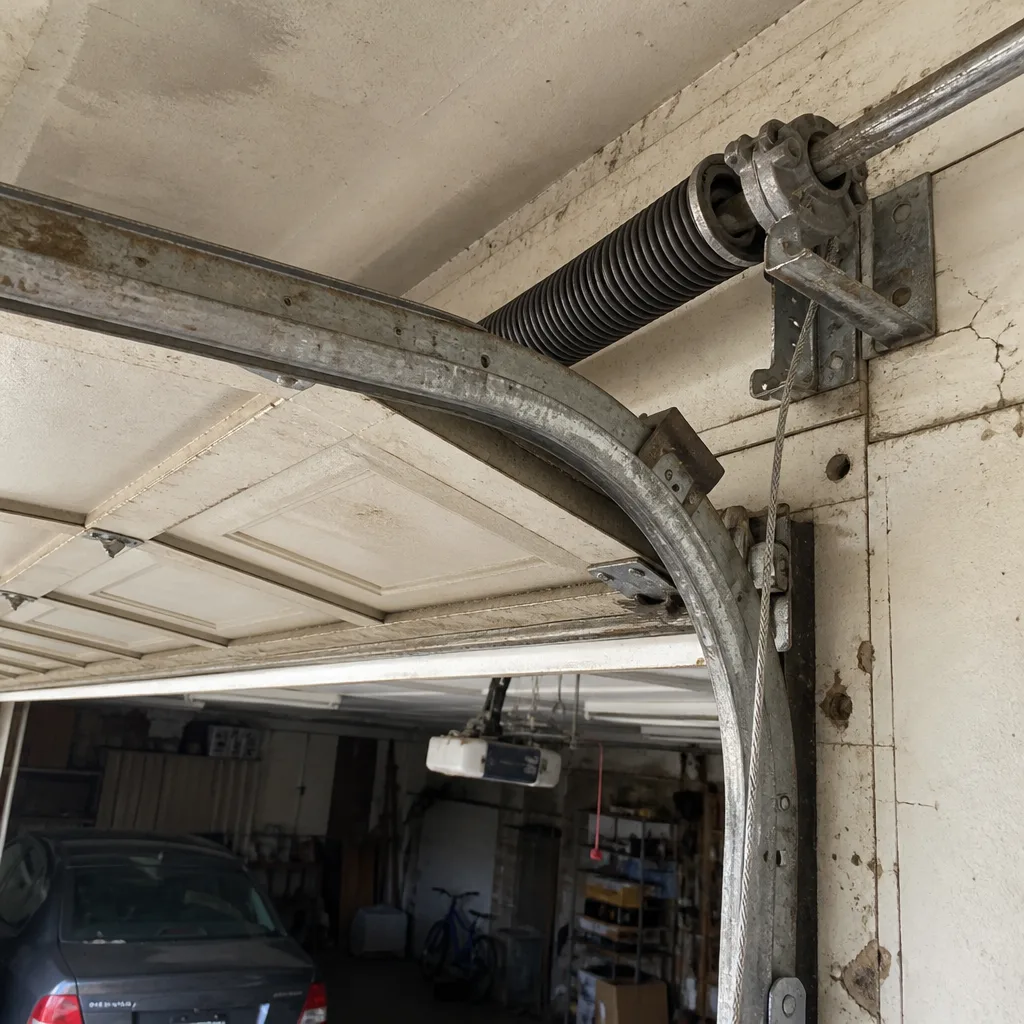 Before
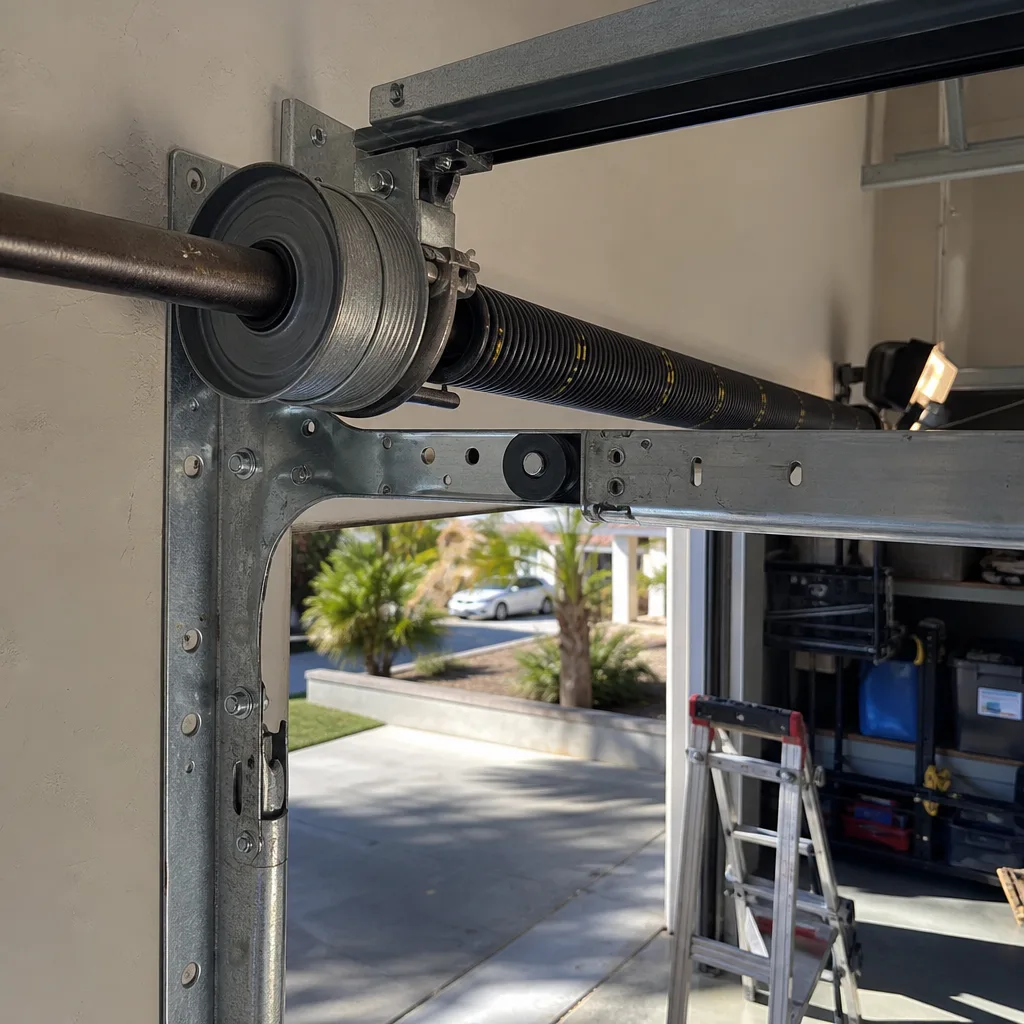 After
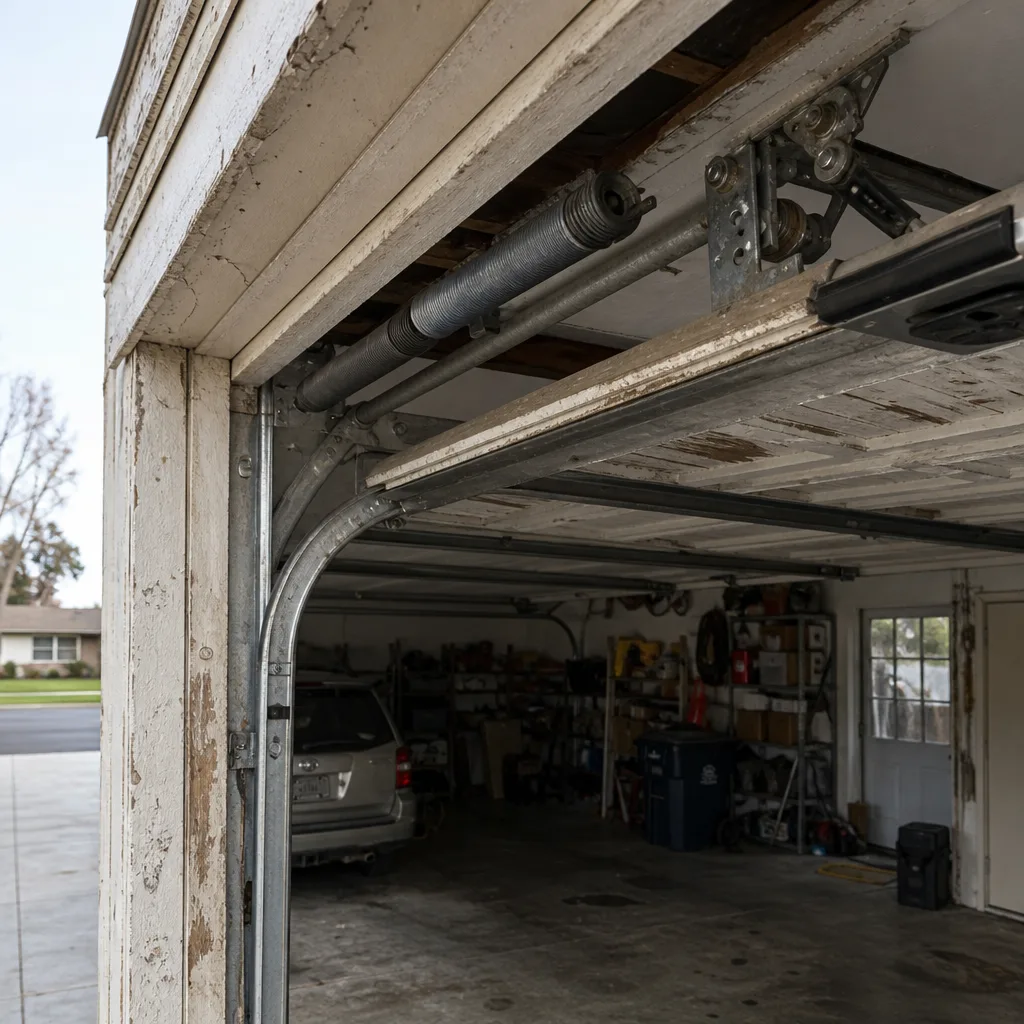 Before
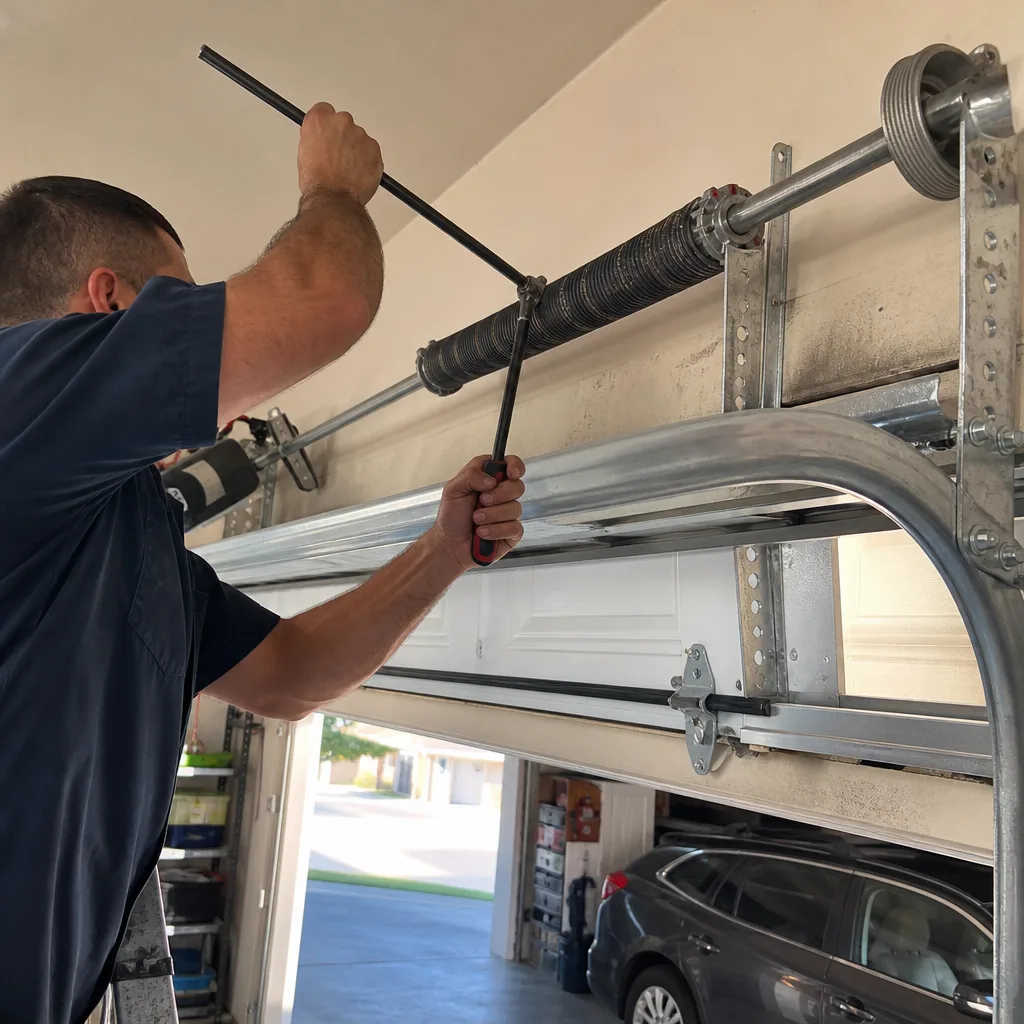 After
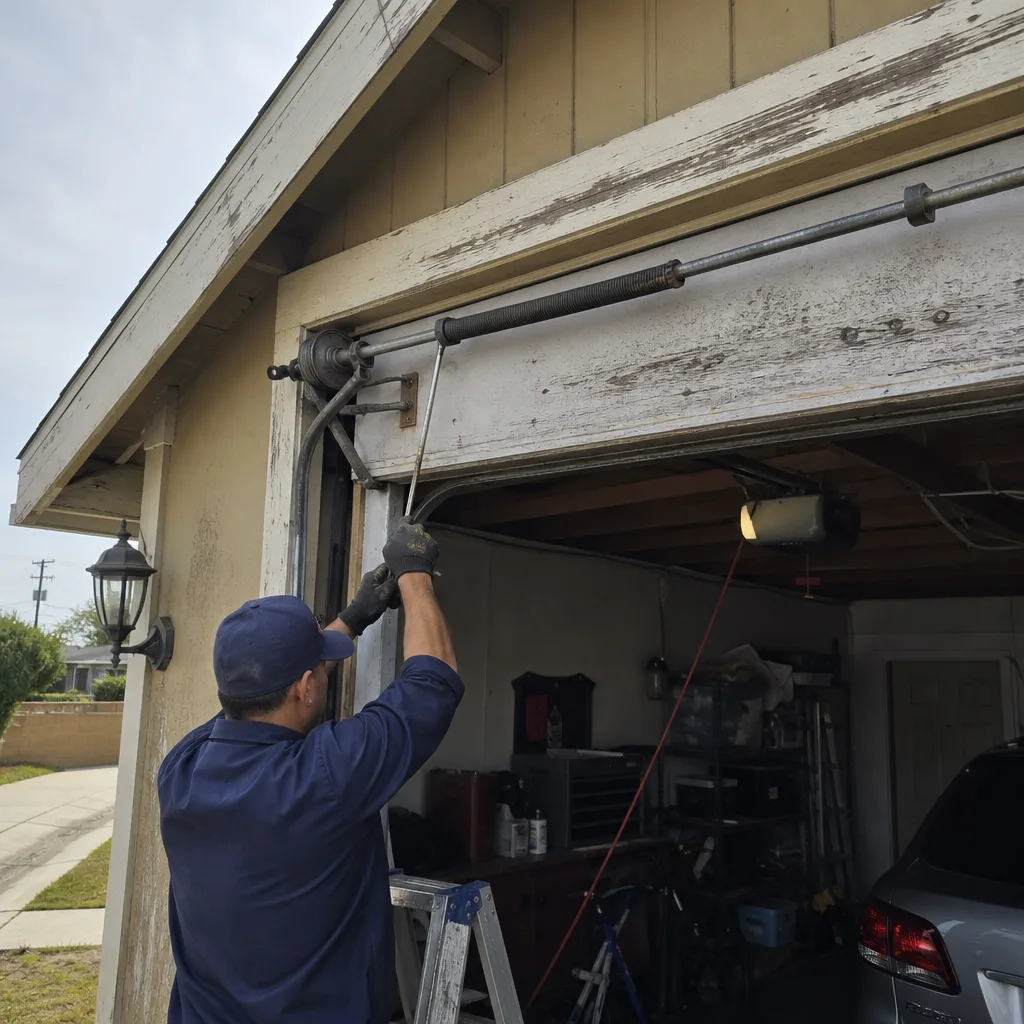 Before
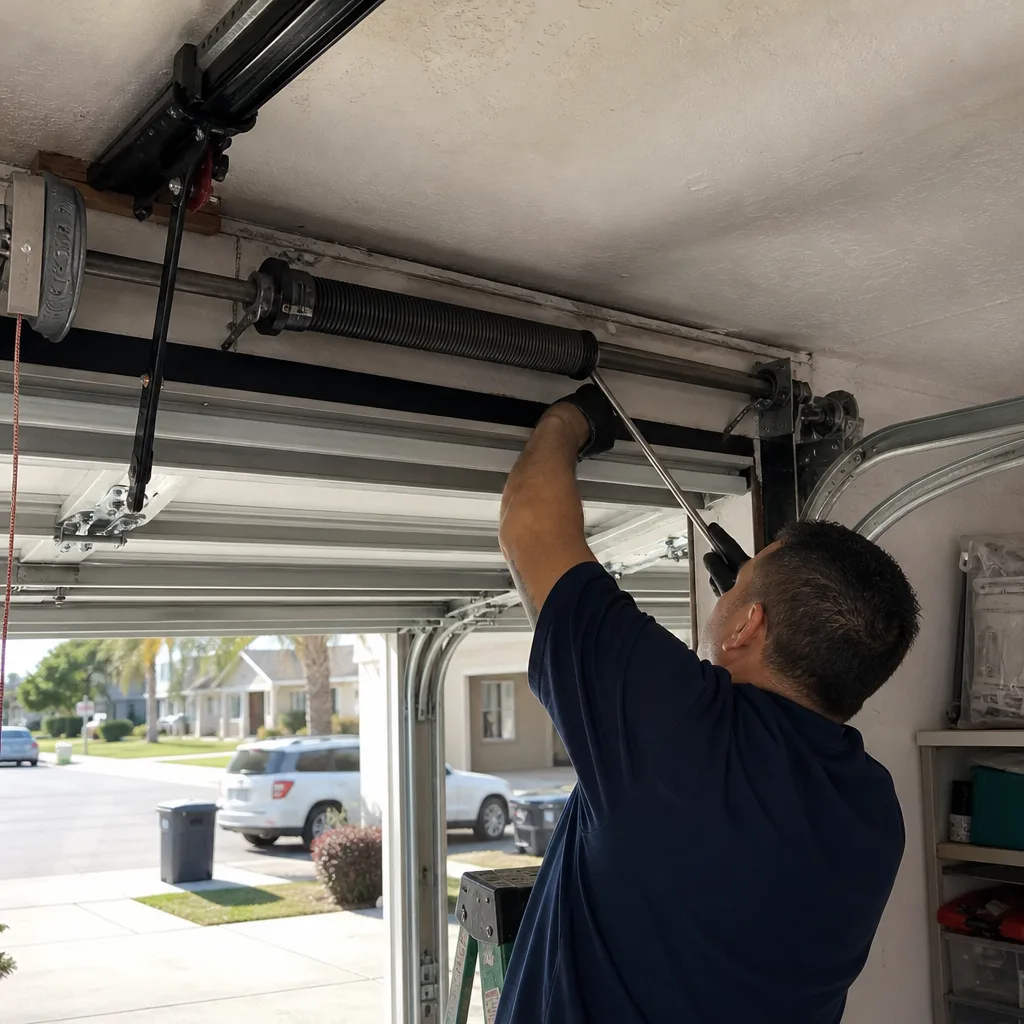 After