
Last updated October 30, 2026
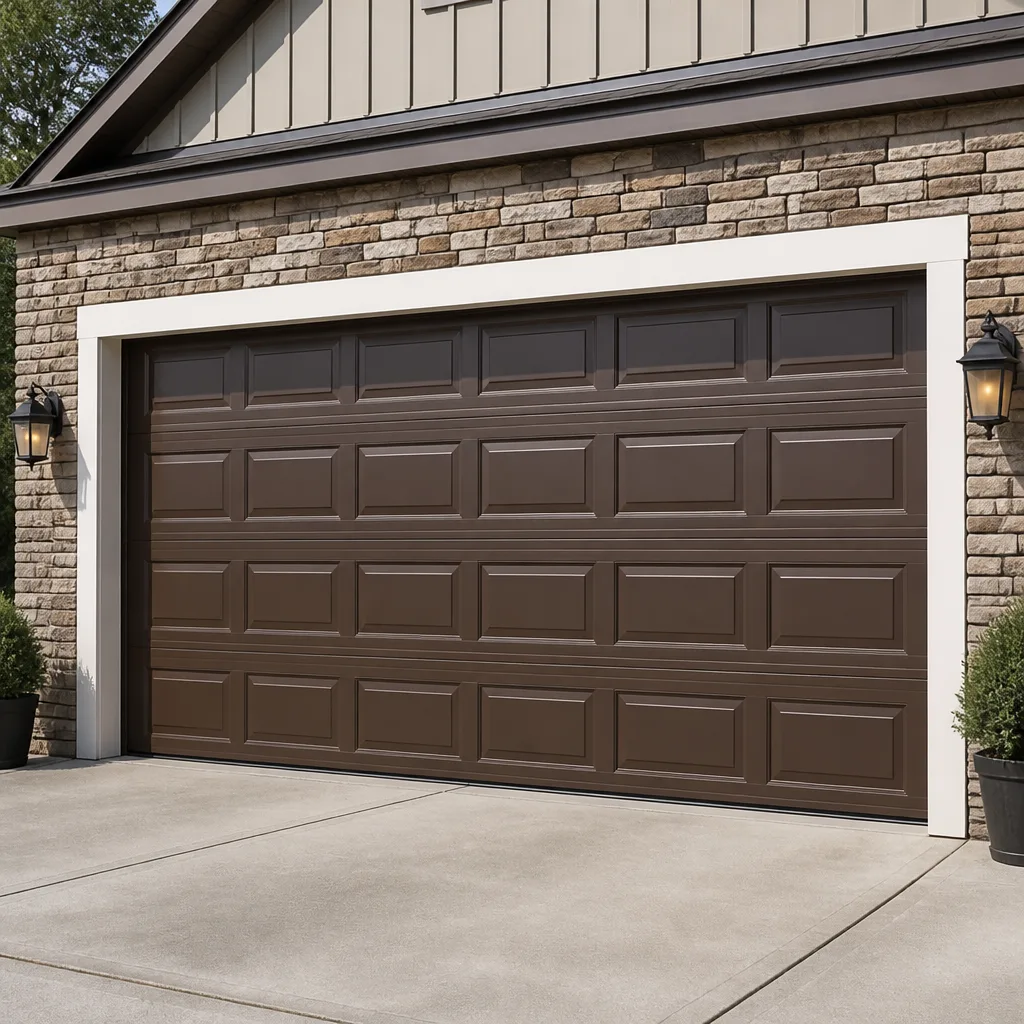 Raised-panel steel
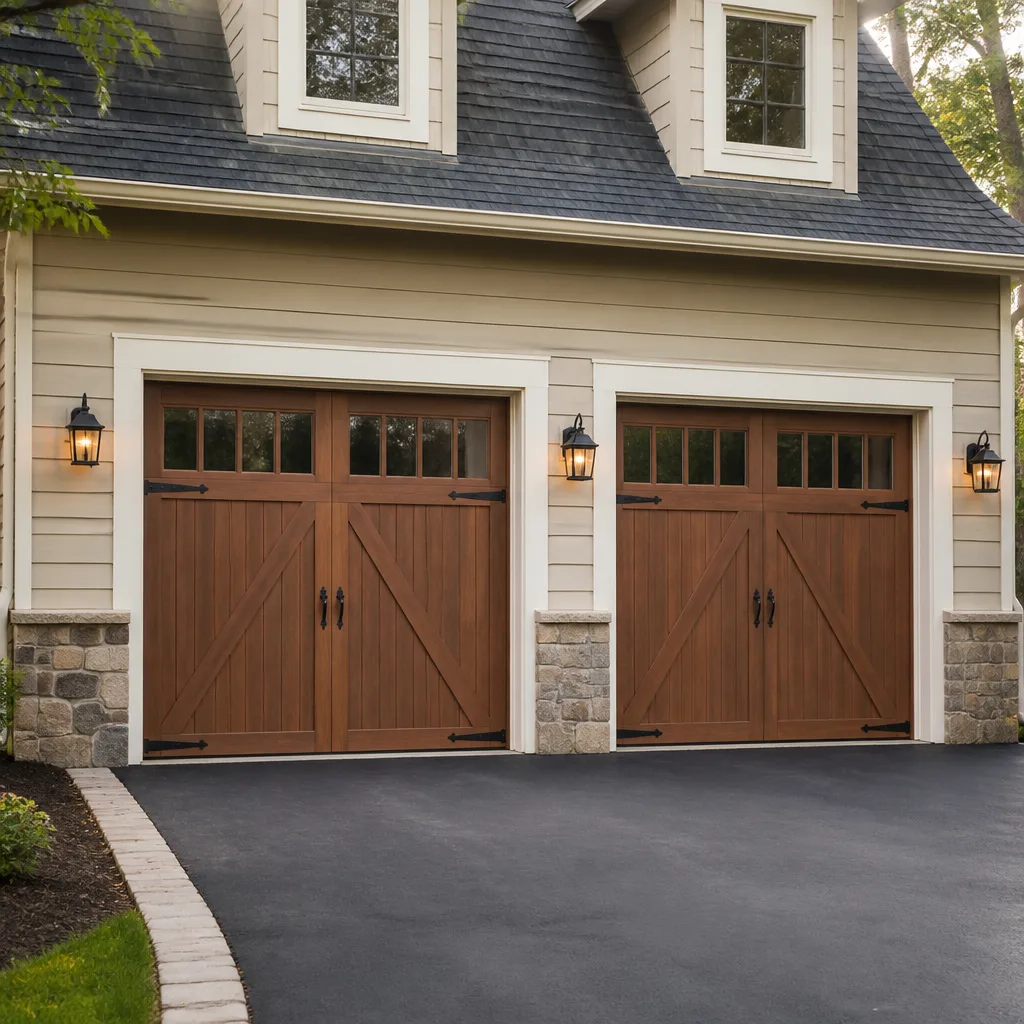 Carriage house
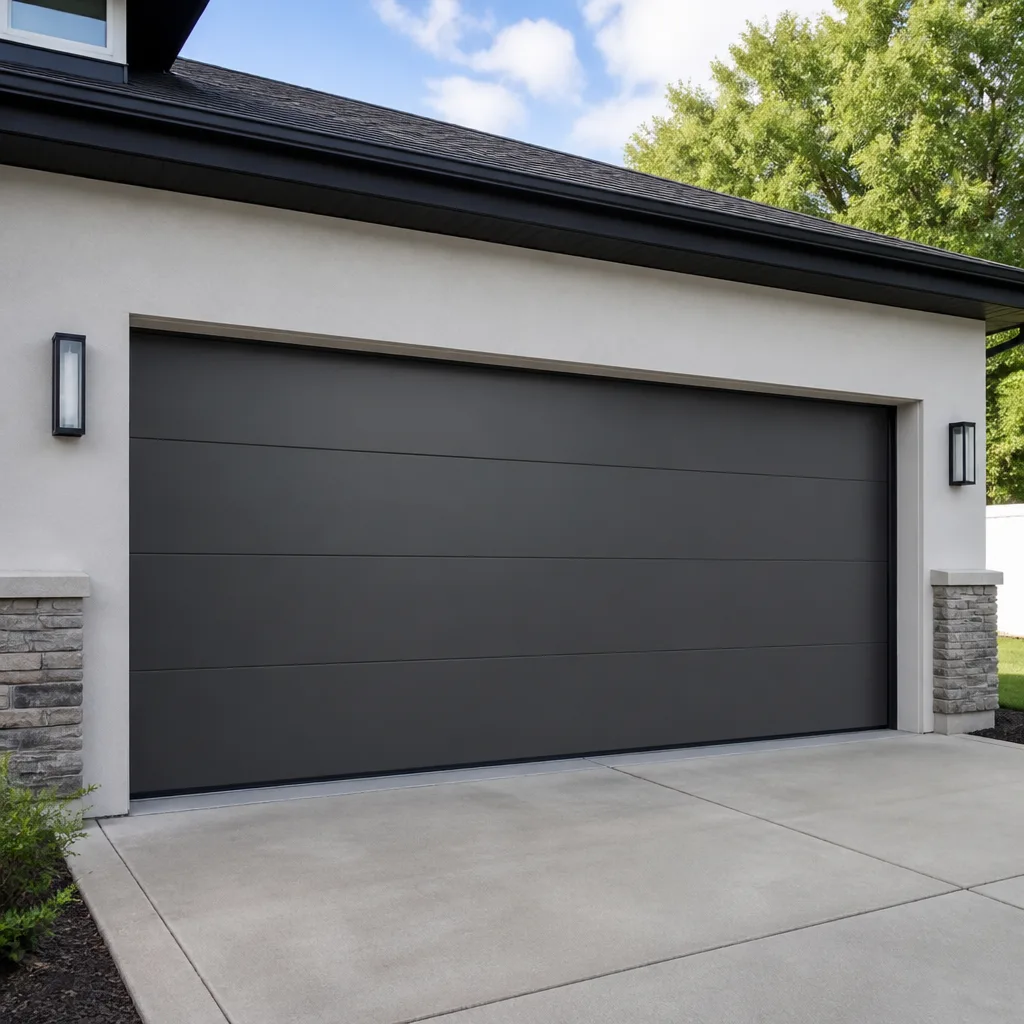 Modern flush
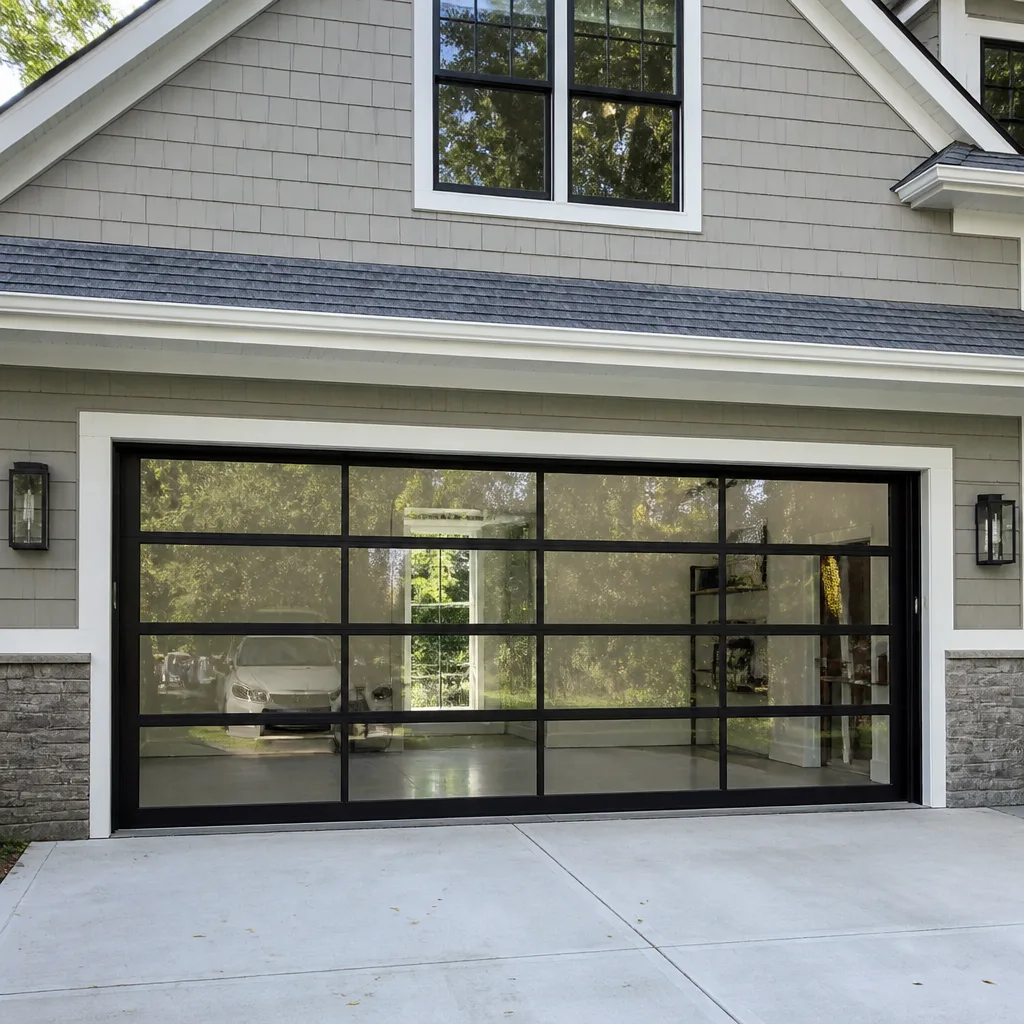 Full-view glass
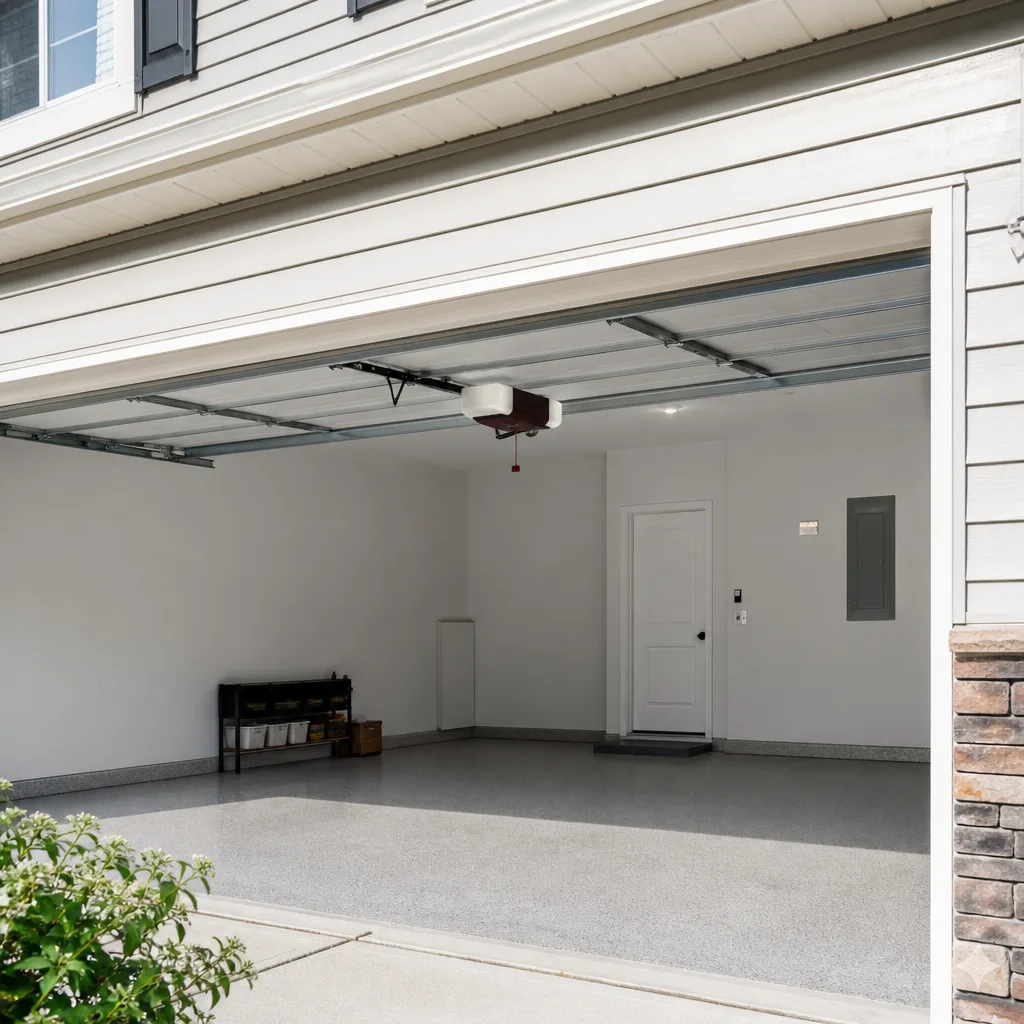 LiftMaster openers
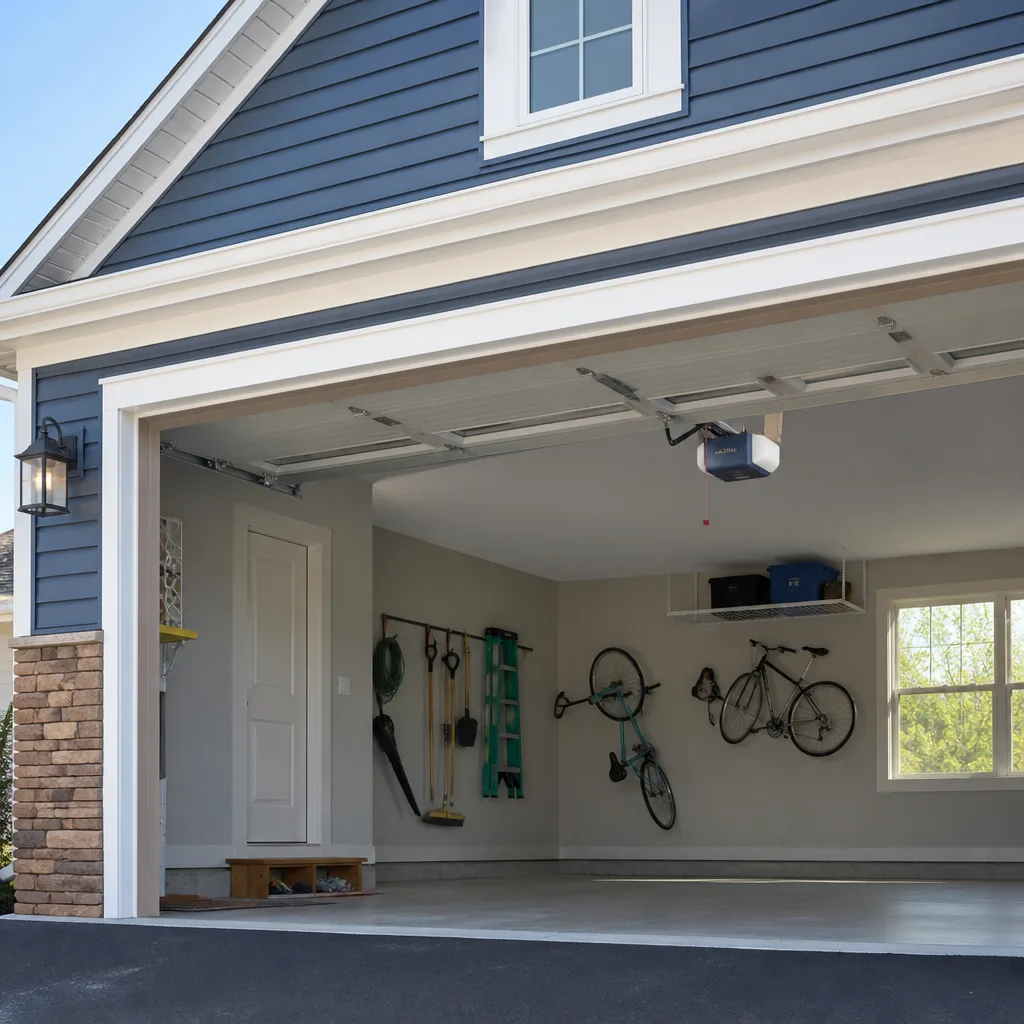 Chamberlain openers
Full 25-point door and opener safety check with every visit - springs, cables, rollers, tracks, and your LiftMaster or Chamberlain opener included
You get a price before we start. It does not change when the truck arrives.
Get your free estimateDIY vs Professional Garage Door: The Riverside Homeowner’s Decision Guide
Here’s a number most Riverside homeowners never hear until it’s too late: a standard pair of torsion springs on a 16-foot garage door stores roughly 700 foot-pounds of energy when fully wound. That’s more force than a .357 Magnum cartridge releases at the muzzle. In California, you can legally replace your own door panels, align your own sensors, and reprogram your own opener. But the moment you start unwinding a torsion spring with a pair of steel rods from Home Depot, you’re not just making a repair decision in the City of Riverside Blue Ribbon Garage Door Repair home calls the most misunderstood DIY risk in the trade. You’re making a legal and liability decision that follows you through the closing table if you ever sell. This guide walks through exactly where the DIY line sits for garage door work in Riverside, what California law actually permits, what it doesn’t, and what a misstep on this specific piece of equipment can cost you.
Quick Answer
In Riverside, DIY garage door work is legally fine for sensors, remotes, lubrication, weather stripping, and panel replacement you can do with hand tools. Professional help becomes the right call for torsion spring replacement, cable work, track repair, and opener replacement, partly because of the physics involved and partly because California’s Contractors State License Board restricts compensated spring work to licensed C-61/D-28 contractors. When you weigh the parts cost, the risk, and the warranty and disclosure implications, the professional route wins on almost every spring and structural job.
Styles & brands we work with
Table of Contents
- What California Law Actually Says About DIY Garage Door Work
- The Physics of Torsion Springs: Why This Is a Hard No for DIY
- What a Riverside Homeowner Can Genuinely DIY
- The Warranty Problem: Clopay, LiftMaster, and the Fine Print
- The Real Cost Comparison: DIY Parts vs Professional Repair
- What the Riverside Climate Specifically Does to Garage Doors
- Common Mistakes to Avoid
- When to Call a Professional
What California Law Actually Says About DIY Garage Door Work
California’s Contractors State Licensing Board (CSLB) draws a line that most homeowners never think to check: any person who contracts to perform garage door work for compensation must hold a C-61/D-28 limited specialty contractor license. That covers installation, repair, spring replacement, and opener work. The homeowner doing work on their own single-family residence is a different category entirely. You can legally work on your own garage door in Riverside without a license, without a permit, and without a whole lot of restriction, so long as the house is your primary residence and you’re not paying an unlicensed person to do the work.
The line gets sharper when springs are involved. You, the owner-occupant, can replace a torsion spring yourself. But if you hire a neighbor, a handyman, or an online tasker to do it, and money changes hands, that person is contracting without a license. That’s a misdemeanor under Business and Professions Code section 7028. It also voids any insurance protection you might think covers the work. If that unlicensed person gets hurt on your property, your homeowner’s policy is the first stop for the claim. We’ve seen this exact scenario play out in Riverside’s Mission Grove and Canyon Crest neighborhoods more times than we want to count.
Permits are a separate layer. The City of Riverside building code generally doesn’t require a permit for repairing or replacing parts on an existing garage door. Structural changes, like widening the opening or replacing the entire door assembly with a different configuration, can trigger plan review. The practical line for most homeowners is this: mechanical adjustments and part swaps are legal to do yourself. Any spring, cable, or structural work is legal to do yourself but wildly impractical to do safely. And any compensated work must go through a licensed contractor. That’s the boundary in plain English.
The Physics of Torsion Springs: Why This Is a Hard No for DIY
A garage door’s weight doesn’t disappear just because your opener is rated for 850 pounds. That weight is stored in the springs. On a standard 16-by-7-foot Riverside garage door, with wood or steel construction, the door alone weighs between 150 and 400 pounds. The springs are wound tightly enough to offset most of that weight. The stored energy, as we referenced at the top, runs into the hundreds of foot-pounds. When a worn spring snaps, that energy releases instantly. If you’re anywhere in the arc of the winding cone, you don’t get a second chance.
The math looks like this. A typical .207-by-2-inch-by-26-inch spring wound to 7.5 turns on a standard residential door holds enough kinetic energy to throw a steel winding bar across a two-car garage at a velocity fast enough to embed it in drywall. Homeowners who attempt this fix watch a YouTube tutorial and assume the process is just “unwind and rewind.” What the tutorials rarely show is what happens when the cone slips, when the set screw strips, or when the winding bar is a piece of rebar instead of a hardened steel rod. Rebar bends. A bent bar under torsion load snaps. The bar becomes a missile.
There’s also the balance problem. A DIY spring replacement done even “successfully” can leave the door unbalanced by 10 or 20 pounds. You can’t see that imbalance by eye. You feel it when the opener strains, the gear strips, or the door comes off track while closing on your kid’s bike. In Riverside, where many homes in the Orangecrest and La Sierra neighborhoods run doors multiple times a day for school runs and commuting, that imbalance compounds quickly across hundreds of cycles a month. The professional route exists because the consequences of a bad result on this one component are not a dent. They are an ER visit.
What a Riverside Homeowner Can Genuinely DIY
We don’t want this guide to read as “never touch your garage door.” Some tasks are genuinely in the homeowner wheelhouse, and doing them yourself keeps your system running longer. These are the jobs where basic tools, a step stool, and a half hour of focused effort actually produce a good result.
- Photo-eye sensor alignment. Riverside garages get bumped. Kids, bikes, trash cans, and the occasional civic-minded squirrel knock the sensor brackets out of alignment. Tighten the wing nut, eyeball the alignment, test with a cardboard box. It’s a 15-minute fix and it’s safe.
- Remote and keypad programming. Every major opener brand has a learn button and a documented programming sequence. Replacement remotes from the manufacturer come with instructions. Programming is a skills test, not a safety test. You can do this.
- Lubrication and seasonal maintenance. Lithium grease on hinges, a light silicone spray on the torsion spring, and cleaning the track with a rag. Riverside’s dust and Santa Ana wind season means this maintenance matters more here than in most climates. Do it every six months and your door will last visibly longer.
- Bottom seal replacement. The bulb seal on the bottom of the door slides out of its aluminum channel. You can replace it with a new seal strip from a door supply house. In Riverside, where spring and summer heat bakes the rubber onto the concrete, this is a 2-year maintenance item on most homes.
- Battery replacement in backup units. If your LiftMaster or Genie has a battery backup, that battery is a user-replaceable part. Swap it before fire season power shutoffs and you’ll keep the door working during outages.
Here’s what unites these tasks: low stored energy, no ladder above three feet, and a clear reverse-engineerable path back to the original state if you make a mistake. If you can’t say that about a task, it doesn’t belong on the DIY list. Riverside homeowners who keep their maintenance simple and leave the high-energy components to specialists tend to own their doors longer and call for emergency repair far less often.
The Warranty Problem: Clopay, LiftMaster, and the Fine Print
Every manufacturer warranty we work with, from Clopay to Amarr to LiftMaster, contains language that ties coverage to installation and service by a qualified party. The specific wording varies. The effect doesn’t. A door or opener that fails due to improper installation, unauthorized modification, or use of non-original parts is carve-out territory for the warranty department. A homeowner who DIYs a opener replacement and wires the capacitor wrong, then files a claim, gets a denial letter. We’ve supported Riverside homeowners who had exactly that experience with a Chamberlain opener and a Clopay panel set.
The deeper issue is documentation. When a licensed contractor in Riverside installs a door or completes a major repair, that work is recorded, the parts are traceable, and the warranty registration has a professional signature attached. When a DIY fix fails and causes a bigger failure, the manufacturer’s coverage map becomes a maze. “The original part was replaced by a third-party component” is the standard explanation. “The failure originated from a spring that was not properly balanced” is another one. Both are hard to refute when you’re the person who did the work.
The practical question: how much warranty are you protecting? A good Clopay door carries a limited lifetime warranty on specific components. A LiftMaster opener carries a multi-year warranty on the motor and gear assembly. Protecting those warranties over 8 to 12 years of ownership has real dollar value in Riverside’s resale market, where garage condition is one of the first things a sharp buyer’s inspector checks. A well-serviced door with documented professional history is a marketable feature. A DIY repair history with mismatch parts is a disclosure conversation waiting to happen.
The Real Cost Comparison: DIY Parts vs Professional Repair
Let’s break down the actual economics of the two most common high-dollar repairs in Riverside, because the spreadsheet version of “DIY is cheaper” falls apart quickly on these jobs. For a deeper look at pricing, see our Garage Door Cost Breakdown: The Riverside Homeowner’s Reference for 2026.
Torsion spring replacement. The DIY route runs like this: a pair of correctly matched torsion springs costs $80 to $140 from a supply house in Riverside or online. Winding bars, if you buy proper hardened ones, cost another $30 to $50. If you buy the right length, diameter, and wire gauge on the first try, you’ve spent $130 to $190. But here’s what most cost calculations skip: if you buy the wrong springs, you now own springs that don’t fit your door. Supply houses don’t accept returns on springs. A professional repair, with springs matched correctly at the outset, balances the door, and includes the labor and a service warranty, runs $220 to $400 in Riverside depending on spring size and door weight. The spread is not small, but neither is the risk. The professional route is more expensive by a few hundred dollars. The DIY route is cheaper only if nothing goes wrong, and when torsion springs go wrong, they go wrong in the direction of hospital bills and door replacement.
Opener replacement. A quality belt-drive opener from a major brand runs $180 to $260 at retail. A professional installation in Riverside, including the unit, runs $450 to $700 depending on the model, wall button, keypad, and whether you’re replacing a chain with a belt and adding battery backup. The DIY route saves the labor line. But it also buys you a day of working from a ladder in a hot Riverside garage, an afternoon of troubleshooting, and a self-managed warranty claim if the motor fails in year two. The professional route Garage Door Opener Repair in Riverside specialists complete in an afternoon includes proper rail installation, travel limit calibration, force settings, and disposal of the old opener. When you see a DIY opener install where the rail sags in the middle, that’s what you’re paying to avoid.
Disposal fees are another Riverside-specific consideration. The City of Riverside charges for bulky item pickup, and a discarded garage door panel or opener motor doesn’t fit in the residential trash bin. Professional repair services include haul-away of old parts in the quote. Factor in a trip to the Agua Mansa landfill or a bulky pickup appointment, and the DIY savings erode further just on logistics.
What the Riverside Climate Specifically Does to Garage Doors
Riverside isn’t generic California. The inland Riverside climate, with 90-plus degree springs, 100-degree summers, and the seasonal Santa Ana winds, creates a specific set of garage door failure patterns that coastal homeowners don’t see. Heat breaks down rubber seals on the bottom and perimeter of the door. UV exposure fades and embrittles the exterior panels on wood and composite doors. The fine dust and grit that blows through the Santa Ana season coats the tracks and the gear assemblies, accelerating wear on every moving part.
Springs, in particular, are a Riverside wear item. A torsion spring on a typical Riverside home lasts 8,000 to 12,000 cycles, which translates to 8 to 12 years for a family that opens and closes the door three times a day. When temperatures swing rapidly, as they do in fall and spring in the Inland Empire, the spring metal flexes more at the microscopic level. That thermal cycling shortens the spring’s useful life compared to a home in a more stable coastal climate. We tell Riverside homeowners the same thing every maintenance visit: if your springs are showing rust staining, or if the door is 10-plus years old, the springs are on borrowed time. That’s not a sales pitch, it’s arithmetic.
The climate also affects the door itself. Wood doors in the Wood Streets and Victoria neighborhoods, the historic districts with older homes, require seasonal inspection of panel joints and paint. A cracked panel joint in a dry wind season opens the door to warping. Steel doors fare better in the heat but suffer on the seals. The takeaway is this: the Riverside climate is a constant input into your garage door’s maintenance equation, and a homeowner who services the door seasonally and understands the failure pattern will always spend less over 20 years than a homeowner who reacts to breaks.
Common Mistakes to Avoid
- Using rebar or screwdrivers as winding bars. Real winding bars are hardened steel rods sized to the cone. Rebar bends under torsion and becomes shrapnel. A screwdriver is even worse. If you’re thinking about this fix without the right tools, you’ve already made the decision.
- Changing one spring instead of both. Torsion springs wear in pairs. When one fails, the other is a short time behind. Replacing only the broken one creates an unbalanced system and saves zero dollars over the life of the door.
- Ignoring the balance after a DIY “fix.” If your door won’t stay at mid-travel when you release it manually, the springs are wrong. Many Riverside homeowners live with an unbalanced door for years, burning through openers and straining the lift mechanism, because the door “still opens.” An unbalanced door is a problem, not a quirk.
- Stripping the set screws. Torsion springs are held by set screws that require a specific torque. Overtighten them and the cone cracks. Undertighten and the spring slips under load. Both failures put the stored energy somewhere you don’t want it. Professionals use a torque wrench and know the spec.
- Treating a broken cable as a simple part replacement. Cables break for a reason: worn drum, damaged pulley, or a door that came off track. Replacing just the cable fixes the symptom and leaves the cause in place. Garage Door Repair in Riverside specialists inspect the whole system on a cable job for exactly this reason.
- Programming a remote without clearing old codes. A used opener or a forgotten previous owner’s remote gives someone else access to your open garage. Holding the learn button doesn’t always clear the memory. Clearing the opener memory before programming new remotes is a fundamental step most homeowners skip.
- Buying springs online without matching the wire size. Spring specifications are specific: wire diameter, inside diameter, length, and wind direction. Buying a “standard” spring almost guarantees the wrong part. The door rides on the wrong spring until something fails.
When to Call a Professional
If you hear a loud bang from the garage and the door won’t open, that’s a torsion spring failure. Call a professional. If your cables are frayed, if the door hangs crooked on the track, if the opener motor grinds without moving the door: these are the jobs where Riverside homeowners save money by calling before the failure cascades. A broken gear inside the LiftMaster is a different fix than a broken cable on the drum. Knowing which one you’re dealing with is the value of a Garage Door Installation in Riverside professional’s diagnostic time. Blue Ribbon Garage Door Repair offers free estimates in Riverside, and our technicians work on the brand you already have. Call (877) 283-1083 if you’re not sure which way to go. The phone call costs nothing, and it answers the question faster than a YouTube search.
See the difference
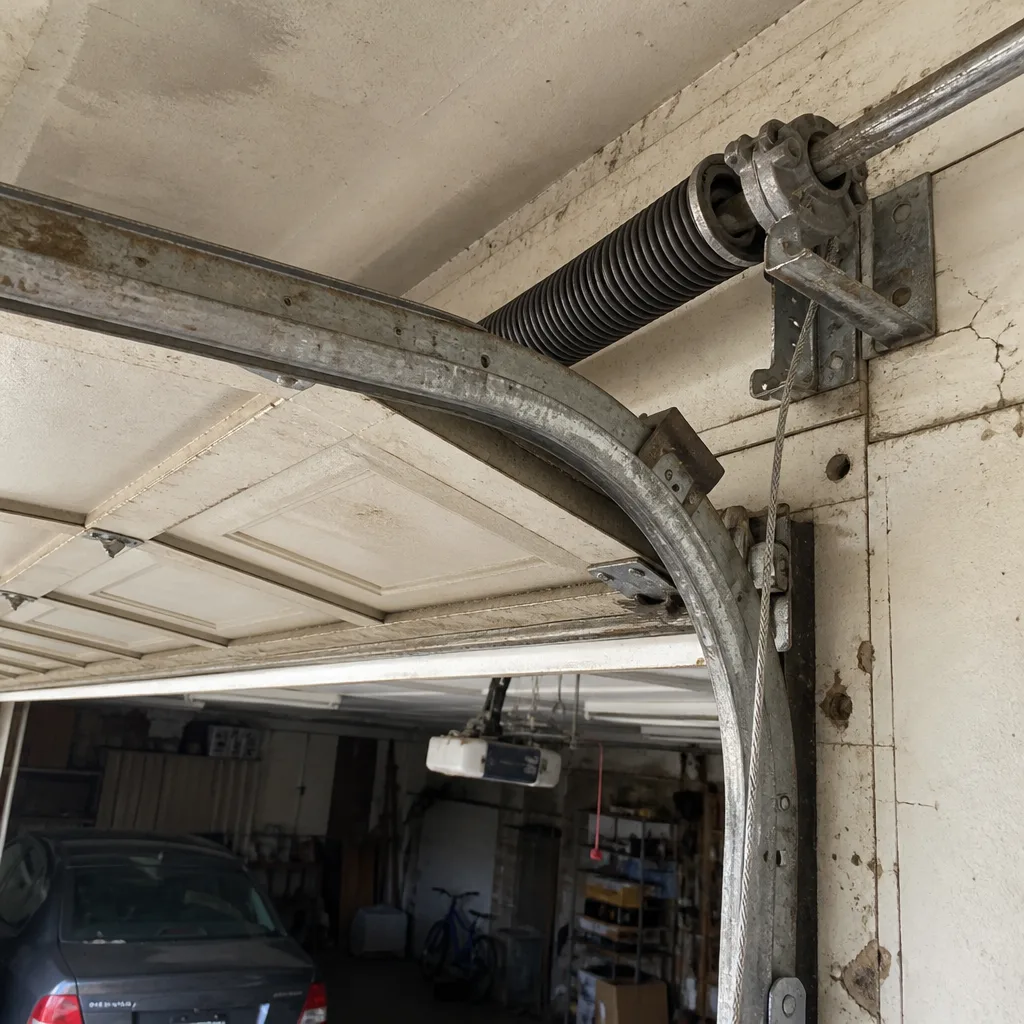 Before
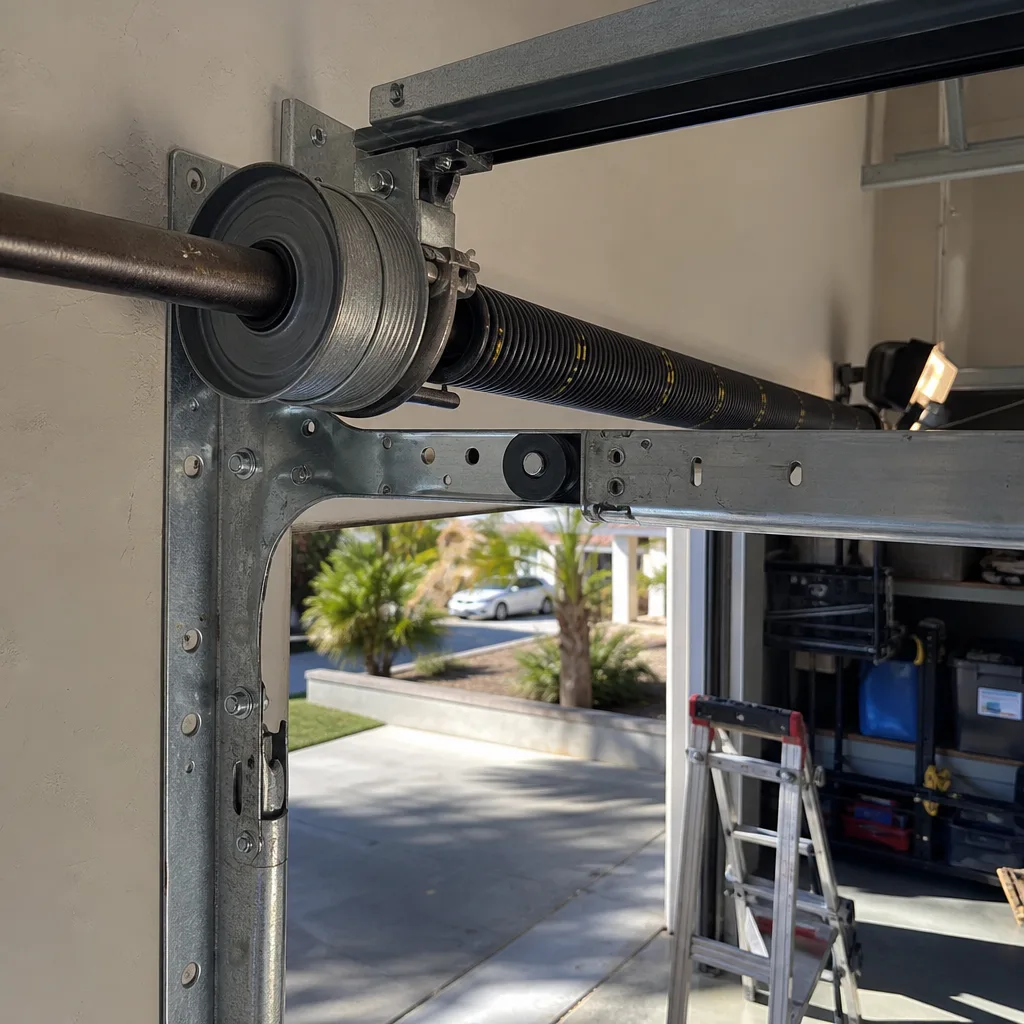 After
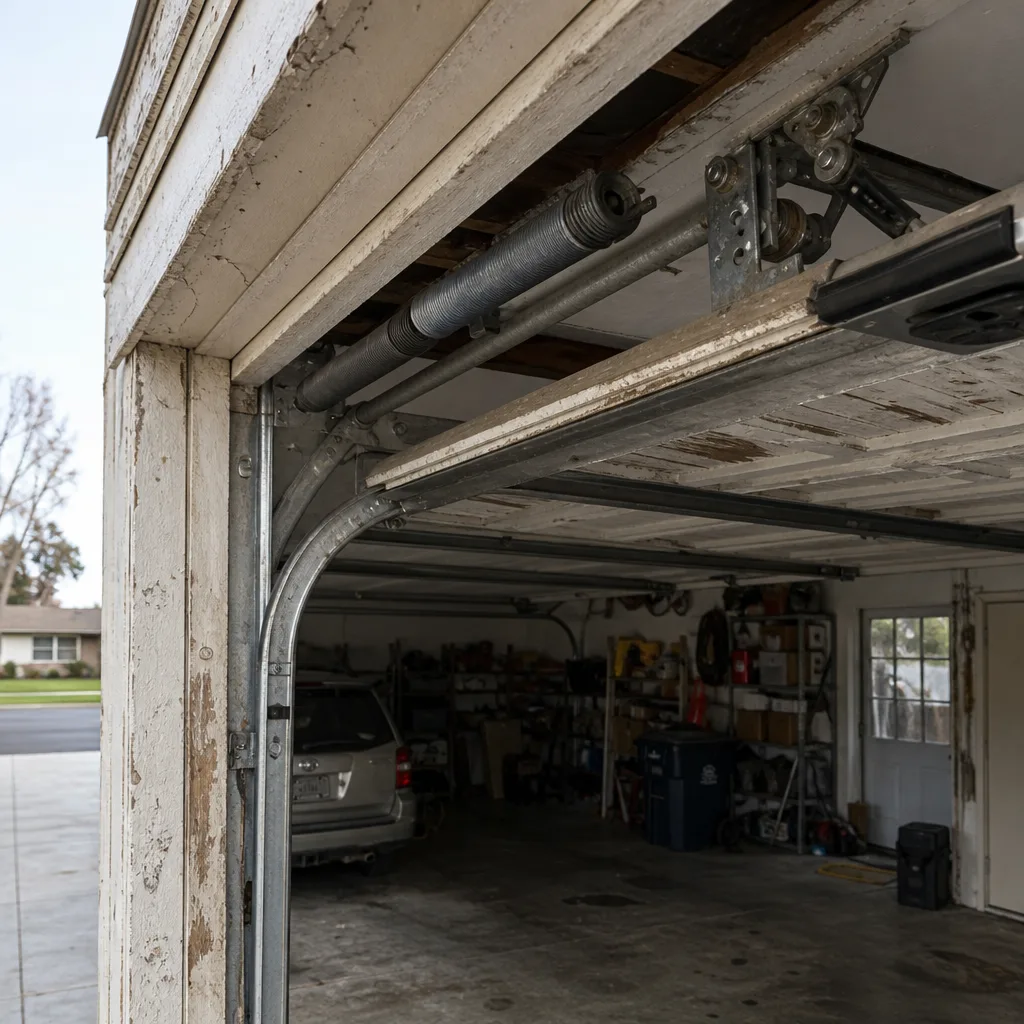 Before
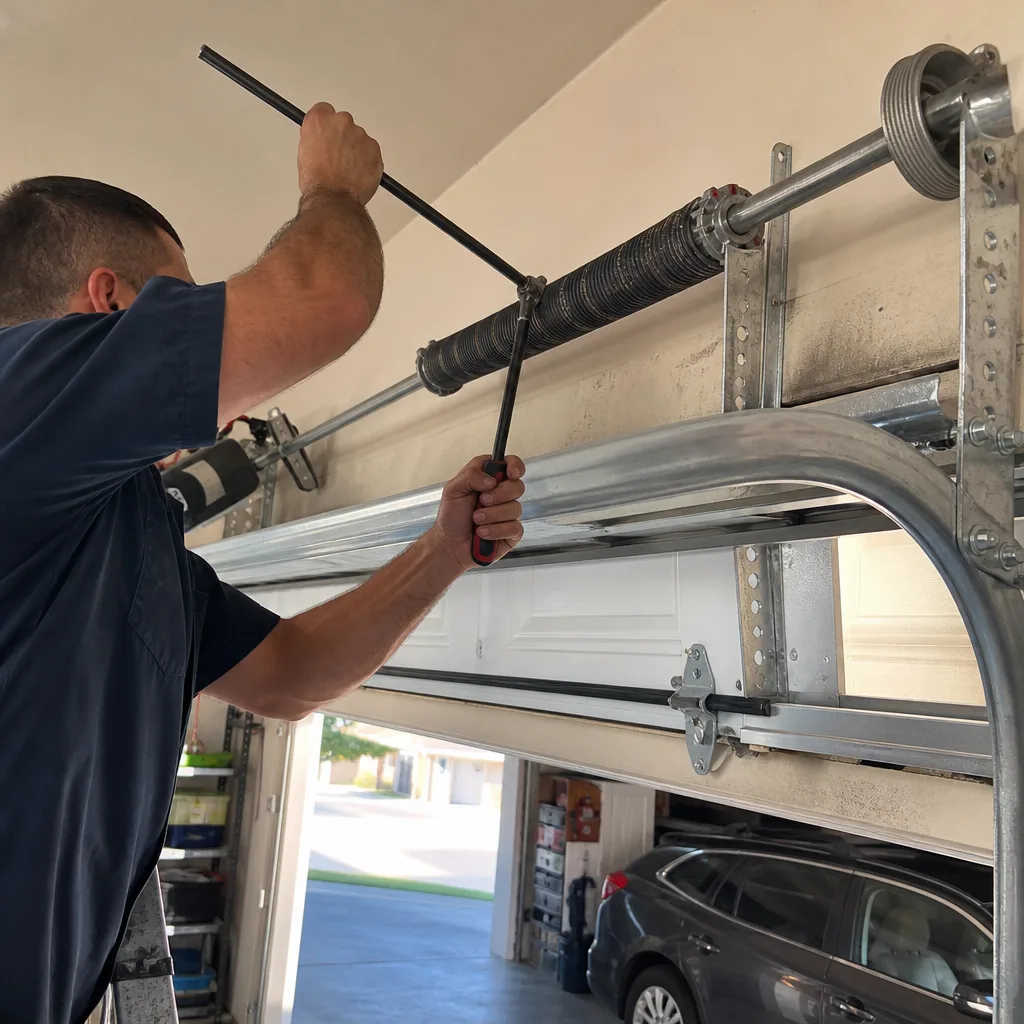 After
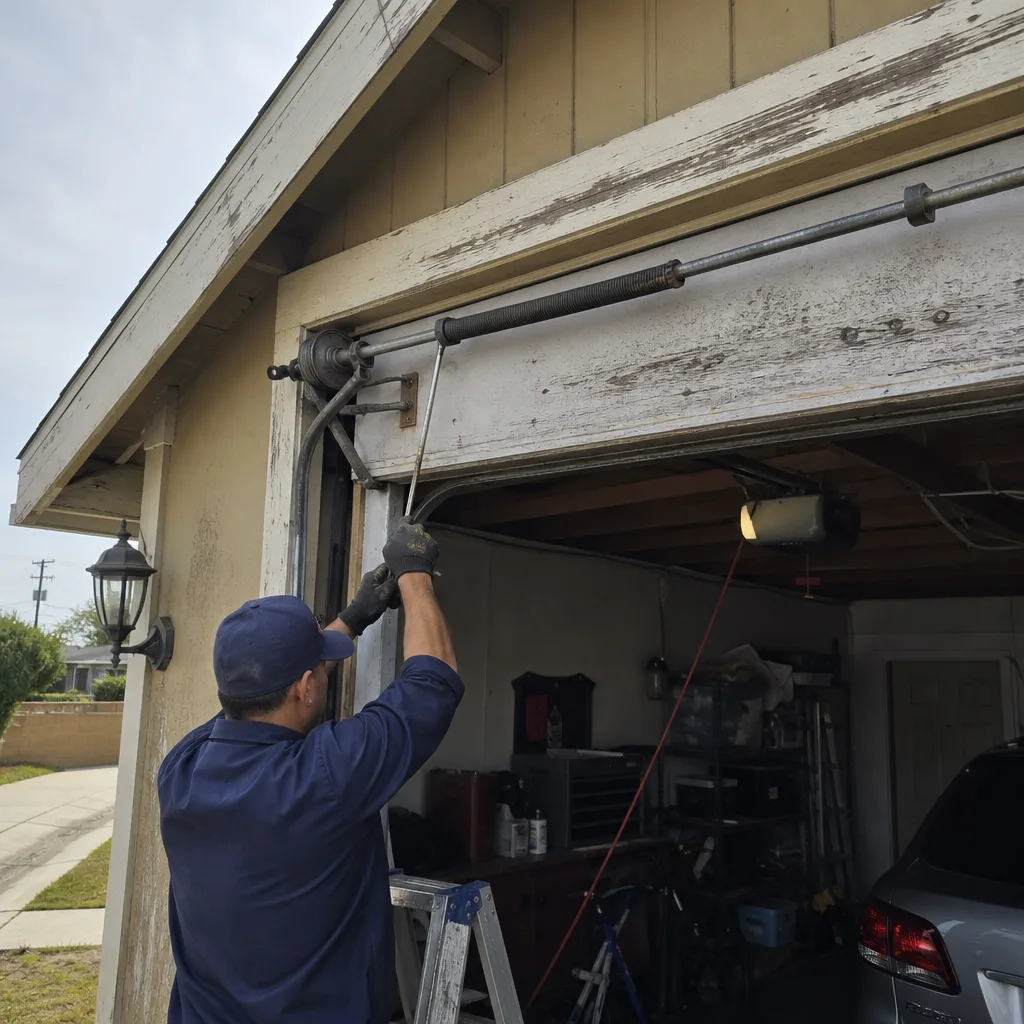 Before
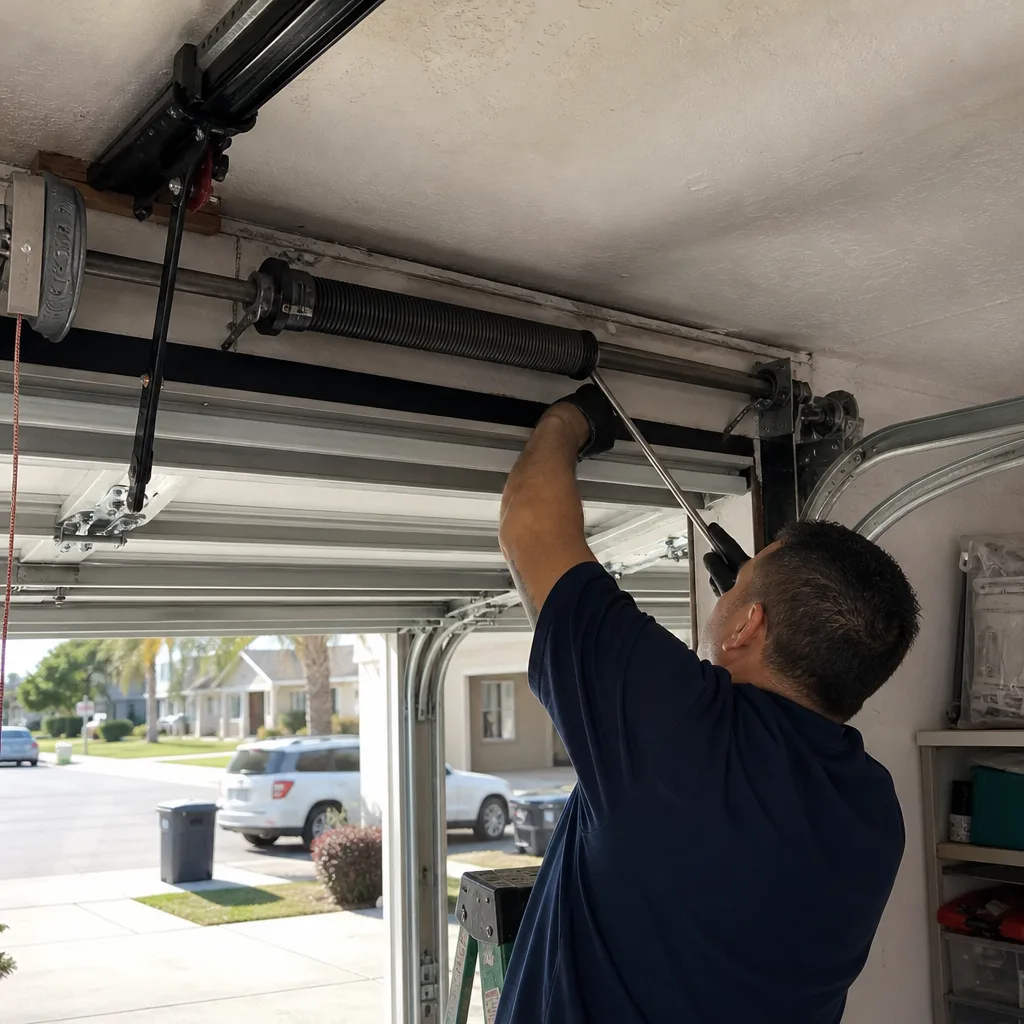 After
Frequently Asked Questions
Yes, you can legally replace your own torsion springs as the owner-occupant of your single-family home in Riverside. The legal restriction applies when someone else performs the work for compensation without a C-61/D-28 contractor’s license. Legal, however, is not the same as safe, and this is the one task we strongly recommend against doing yourself regardless of the law.
A professional torsion spring replacement in Riverside typically runs $220 to $400 depending on the spring size, door weight, and whether the job includes both springs and a full balance check. The parts alone are $80 to $140, which means the labor and expertise cost a few hundred dollars on top of parts. For an exact quote, call (877) 283-1083 and we’ll give you the number before any work starts.
It can, and the most common reasons are improper installation, use of non-original parts, or a failure that traces back to an unbalanced door after a DIY spring attempt. Most manufacturer warranties require professional installation or service to stay fully intact. The warranty exclusion language is standard across Clopay, Amarr, Wayne Dalton, and LiftMaster products.
Do not attempt torsion spring replacement, cable replacement, track removal, or opener motor replacement if you’re not trained on the specific system. These are the tasks where stored energy, falling weight, or improper calibration can cause serious injury. The safe DIY list includes sensor alignment, remote programming, lubrication, and bottom seal replacement.
Most standard garage door repairs and part replacements in Riverside do not require a permit. Structural changes to the opening, or a full door replacement with a different configuration, may require plan review through the City of Riverside building department. For details, read our guide to Garage Door Permits, Codes & Inspections in CA: What You Need to Know. Check with the city if your project changes the size or structure of the opening.
Look for rust staining on the spring itself, a gap of more than an eighth of an inch in the coil, or a door that’s been in service for 10 or more years with the original springs. If the door struggles to open, or if you see a visible gap when the door is closed, the springs are likely done. Call (877) 283-1083 for a Riverside spring inspection, and we’ll tell you exactly how much life is left.
The Bottom Line
The DIY-versus-professional garage door question in Riverside doesn’t break neatly on cost. It breaks on physics, liability, and Riverside-specific weather. You can legally do every repair on this page to your own home in California. But the springs store enough energy to hit like a pistol round, the warranties on Clopay and LiftMaster products don’t protect improper installation, and the Inland Empire climate accelerates wear on every component. The homeowner who takes on the the safe, small maintenance and leaves the high-energy, high-liability work to a professional will spend less money over the life of the door and will never have to explain a prior DIY spring job to a buyer’s inspector. If the door is acting up, call (877) 283-1083. We’ll tell you what it needs, tell you what it costs, and let you make the call from there. For more guides & resources, visit our blog.
Written by the team at Blue Ribbon Garage Door Repair, serving Riverside since 2013.